

Lollapalooza’s Beautiful Collapse
Lollapalooza 2025 wasn’t just a music festival—it was a heatwave of spectacle, style, and strange emotional theater. Beneath the glitter and grit, something is shifting in how we consume joy.
 Joseph BennettAugust 4, 20252 Mins read19
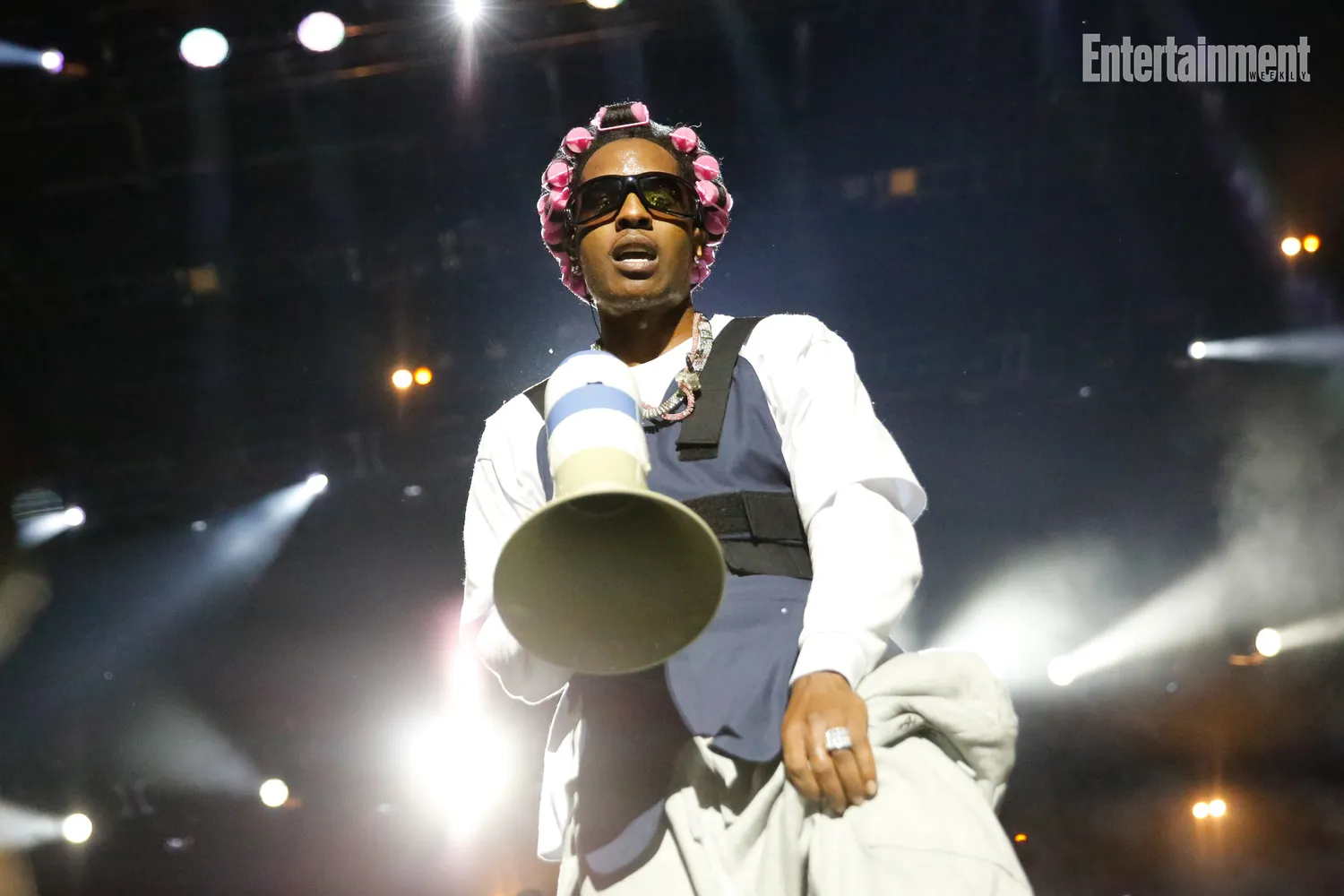
Someone was crying in sequins by the lemonade stand. No one noticed. Everyone had their phones out. That was Lollapalooza 2025.
From the moment the gates opened, Grant Park looked less like a music festival and more like the front row of a celestial runway—except the models were melting, the influencers were gasping for shade, and the stages pulsed with an eerie blend of corporate enthusiasm and existential bliss. Lollapalooza, once the grungy outlier of alternative music, has become something else entirely: a hall of mirrors where euphoria is curated and documented in real time, usually with captions like “unreal vibes” and “alive.”
But what does it mean to be “alive” when the moment you’re living is already prepped for Stories?
We Dressed Like Chaos, We Danced Like Algorithms
Fashion told the truth before the artists did. Cowboy hats drenched in glitter. Cyberpunk lace. Vintage Nirvana shirts tucked into Chanel skirts. It wasn’t ironic—it was manic. A style language spoken fluently by those who’ve grown up with filters and fictions and algorithmic nostalgia. You could see it in the crowd: teenagers dressed like a collage of Tumblr archives and 1994 Rolling Stone covers, their outfits quoting decades they never lived through but somehow own.
And onstage, the performances mirrored that fragmentation. One moment, SZA was channeling love like a sermon under the sun. The next, Ice Spice turned the pit into a pixelated dream of bouncing flashlights and serotonin. But the most captivating performer wasn’t on the bill—it was the crowd itself. Their movements, their declarations, their tears—each a calculated brushstroke on the canvas of a three-day hallucination.
One overheard voice said it best: “It’s like I’m having fun because I’m supposed to be.” The quote lingered. It wasn’t sarcasm—it was longing.
The Festival as Fever Dream
There’s a strange loneliness to mass joy now. It’s loud, it’s lit, it’s collective—but it’s not intimate. You can be standing inches away from someone and feel a universe apart. The photo galleries of Lollapalooza 2025 are proof: thousands of bodies gathered under the same bass line, and yet every face is mid-performance. For the camera, for the memory, for the feed.
What’s truly radical at a festival like this? Maybe it’s not a new genre. Maybe it’s someone sitting down. Not filming. Not posing. Just… listening. In a place built to flood you with moments, the quiet ones feel the most resistant. The rarest accessory now isn’t glitter—it’s presence.
That’s what Lollapalooza used to offer, before the selfie tents, before the sponsored hydration booths, before the headline slots became Olympic events. Connection, not content.
And yet, even in its hyper-processed 2025 form, the magic still flickers. Maybe not through the main acts. Maybe not on the screens. But maybe in a small moment: a stranger offering you sunscreen, a song that unlocks your ribs, a breeze that cuts through the neon smoke just long enough to remind you that you’re here. Still human.




Laufey’s Opening Night Show at LA’s Crypto.com Arena: Best Moments
Laufey opened a two-night stand at Crypto.com Arena in downtown Los Angeles...
 Chris Marks6 Mins read

Julie Adam Is Billboard Canada Women in Music’s 2025 Exec of the Year
Julie Adam is having a milestone year — and it’s getting even...
Chris Marks4 Mins read
Spinal Tap Tribute Album with Foo Fighters,Tool for Teen Cancer America
Spinal Tap may be a fake band, but its music is very...
Chris Marks2 Mins read
AxMxP Is K-Pop Rookie of the Month for September: Exclusive Photos
Ha Yoo Joon Image Credit: Chin Soyeon You debuted on Sept. 10....
Chris Marks2 Mins read




Leave a comment