

Silicon Meets Soil: Why the U.S. Is Turning Energy Department Lands into AI Testing Grounds
In a quiet but calculated move, the U.S. is opening Department of Energy lands to artificial intelligence projects—blurring the line between national infrastructure and digital experimentation.
 Krista FreelandApril 3, 20251 Mins read33
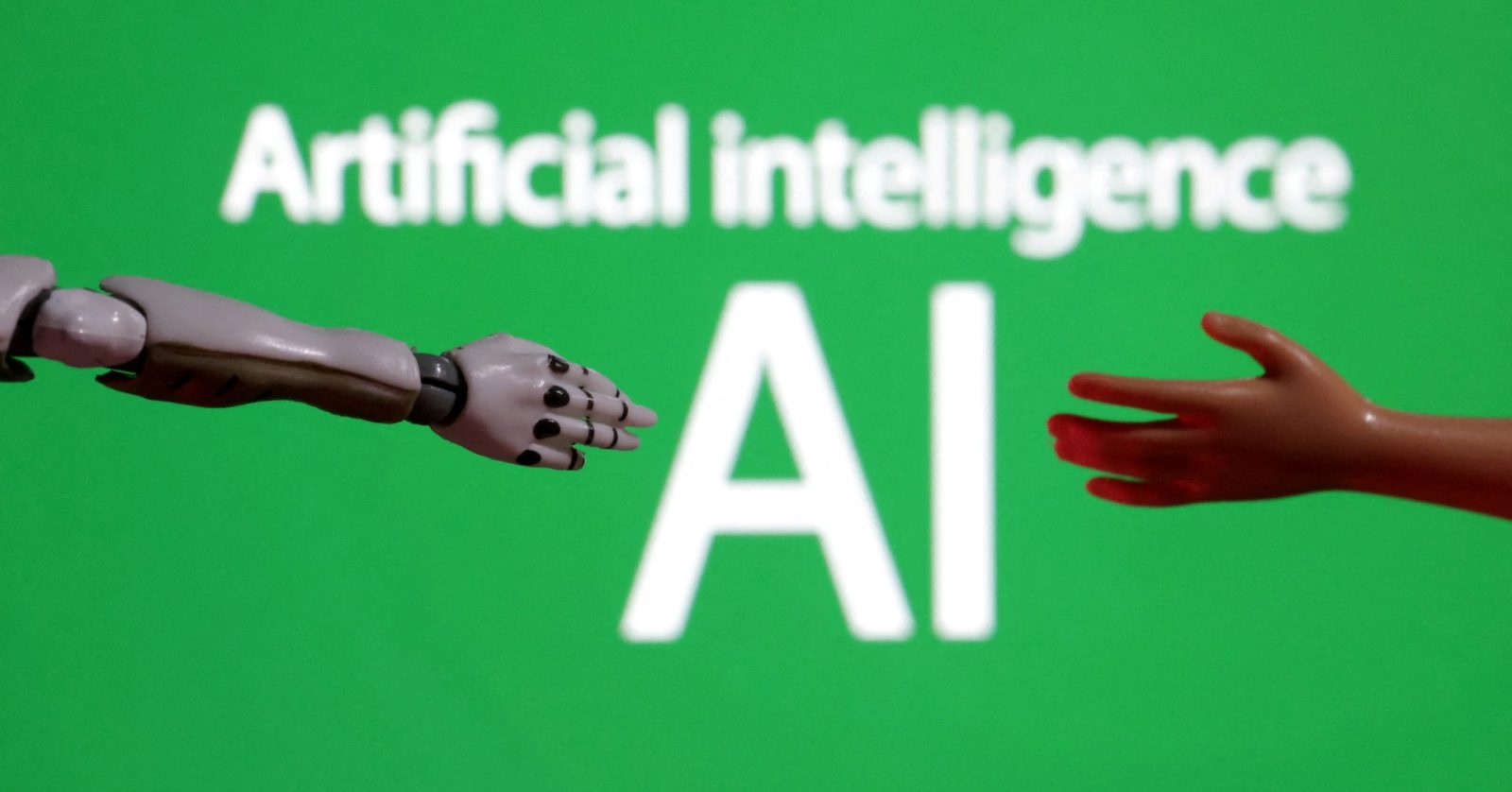
Tucked behind the headlines of elections, global tensions, and tech IPOs is a quiet deal with futuristic consequences: the United States is planning to develop AI projects on Department of Energy (DOE) lands. Yes, the same vast stretches of government-controlled terrain once dedicated to nuclear research, energy testing, and national secrets will soon host artificial intelligence—possibly the most disruptive force of our time.
It’s a match both unlikely and inevitable. And it begs the question: what kind of future do you build when you give AI the keys to the nation’s most sensitive scientific playground?
National Laboratories, Digital Ambitions
The DOE’s 17 national labs have long been the backstage engine of American innovation—from the Manhattan Project to climate research. But opening these lands and labs to AI experimentation signals a new era: one where energy, data, and intelligence are interwoven into infrastructure.
Unlike private tech campuses or university labs, DOE sites offer scale, security, and systems-level thinking. AI won’t just crunch numbers in sterile rooms—it will be tested in real-world environments: nuclear waste sites, renewable energy grids, next-gen battery storage, quantum computing clusters.
According to one official, “We’re not building smart tools—we’re teaching tools to navigate the real, complex, regulated world.”
The Risks Beneath the Innovation
Of course, not all that glitters is digital gold. Federal lands being used as AI test zones raises thorny questions: Who governs the data? What oversight protects public interest? Will algorithms become another unregulated player in the country’s most strategic ecosystems?
The deeper worry is philosophical: When AI becomes embedded in the land—not just the cloud—how do we draw the line between public utility and private experiment?
And what happens when these AI systems, trained in energy optimization or climate modeling, start influencing policy not just from spreadsheets, but from simulations deemed too “efficient” to ignore?
The U.S. may be planting the seeds of digital dominance in its own backyard.
But what exactly will bloom when AI grows roots in the soil of national power?








Microsoft Is Cutting Thousands of Employees Across the Company
Microsoft Corp. said it will cut thousands of workers with a focus...
 Kirsten Collins1 Mins read
Intel Certifies Shell Lubricant for Cooling AI Data Centers
Intel Corp. has certified Shell Plc’s lubricant-based method for cooling servers more...
Kirsten Collins1 Mins read

UBS’s Lo Says Investors Diversifying From US to Gold, Crypto
UBS Group AG’s rich clients are increasingly shifting away from US-dollar assets,...
Kirsten Collins1 Mins read

Microsoft Among Software Stocks Offering Haven in Tariff Chaos
As the Trump administration’s trade war clouds the economic outlook, software stocks...
Kirsten Collins1 Mins read





Leave a comment