

What Does It Mean When Toni Morrison Returns in a Dress Made of Fire?
Toni Morrison is back—on a cover, in conversation, in confrontation. But who is really behind this resurrection, and what are they trying to rewrite?
 Chris MarksMay 7, 20252 Mins read27
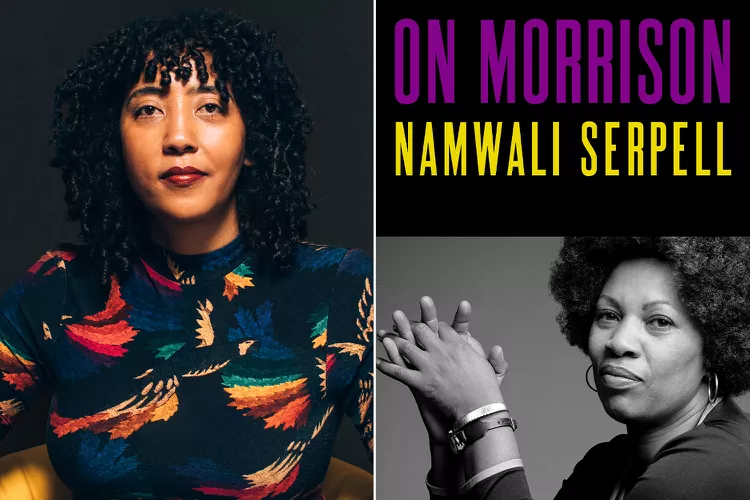
Toni Morrison is staring at us again. Not just from the shelves of libraries or syllabi grown too comfortable with her genius—but from the glossy cover of People magazine. She is radiant. Regal. Dressed not in the soft neutrals of a memorial, but in a gown that gleams like it’s stitched from the aftermath of lightning. The question, of course, isn’t just why now. It’s: Who decided this was the way she should return?
This cover—an “exclusive reveal” released to equal parts reverence and side-eye—is not simply a tribute. It’s a provocation. Morrison, who spent her life unsettling the American narrative, is now the subject of an unsettling story herself. She once said, “The function of freedom is to free someone else.” But what function does legacy serve when it’s curated by the very machinery Morrison spent decades challenging?
The Beautiful Problem of Legacy in the Age of Optics
Let’s be clear—there is no such thing as an innocent cover. Every magazine face is a choice, and this one is layered with meaning: Morrison styled like royalty, posthumously fashion-forward, positioned as a myth. A woman who dodged spectacle in life is now the centerpiece of it in death. Is it tribute, or is it taming?
There’s nothing wrong with honoring Morrison. But there’s something deeply strange about how it’s being done—through a magazine better known for Hollywood divorces and royal baby bumps than literary reckonings. Is this democratization of cultural homage, or dilution? Whose idea was the dress, the lighting, the angle? Is this how icons are embalmed now—gorgeous, glossy, and staged?
We must ask: Who gets to decide the version of Morrison we see?
Resurrecting a Woman Who Never Left
We’re told the cover is “a celebration.” But Morrison never asked to be celebrated. She asked to be read, to be reckoned with. In the soft culture of tribute-making, it’s easier to print her photo than publish her fury. It’s safer to wrap her in couture than wrestle with the systems she named without apology.
And maybe that’s the point. This isn’t really about Morrison at all—it’s about us. Our need to sanitize brilliance. Our impulse to make legacies fashionable rather than forceful. Our desire to put even the most radical women into manageable frames. She challenged the center. Now she’s been placed at it.
So this cover? It isn’t just a magazine moment. It’s a test.
Morrison warned us once, “This is the time when artists go to work. There is no time for despair.” And yet here we are—comforted by her face, terrified of her voice.
—
What happens when the voice we remember no longer matches the image we’re shown?


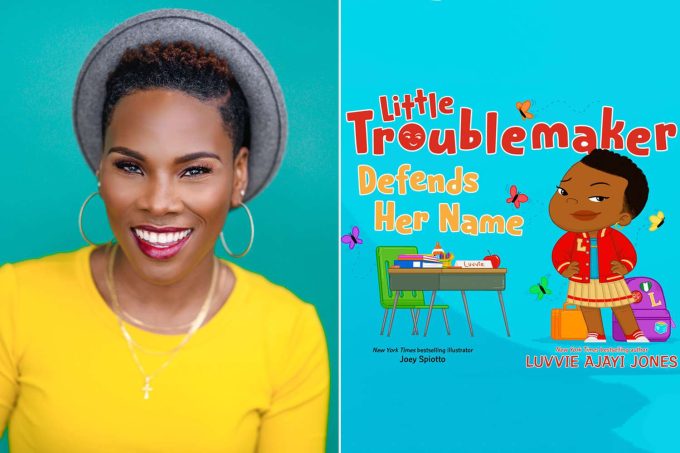




When “107 Days” Meets Outcry: Harris’s Book Tour Interrupted
The microphone crackled to life, and before Harris could finish her opening...
Chris Marks1 Mins read
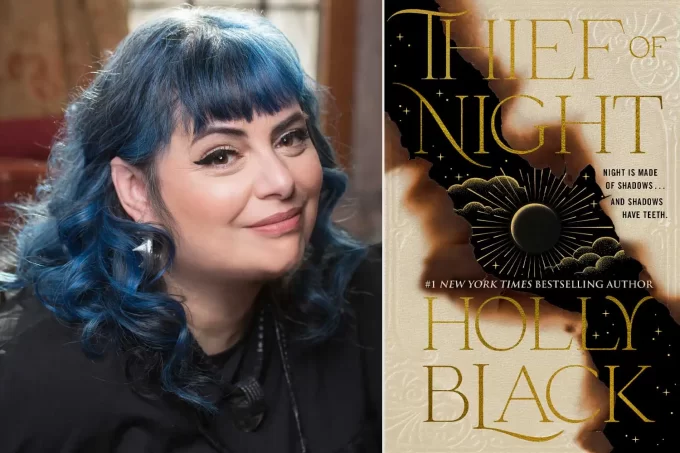
Whispers in the Shadows: Why Holly Black’s Sequel Is a Dark Invitation We Can’t Ignore
The night isn’t just dark—it’s ravenous, greedy, and it’s coming for you....
Chris Marks2 Mins read
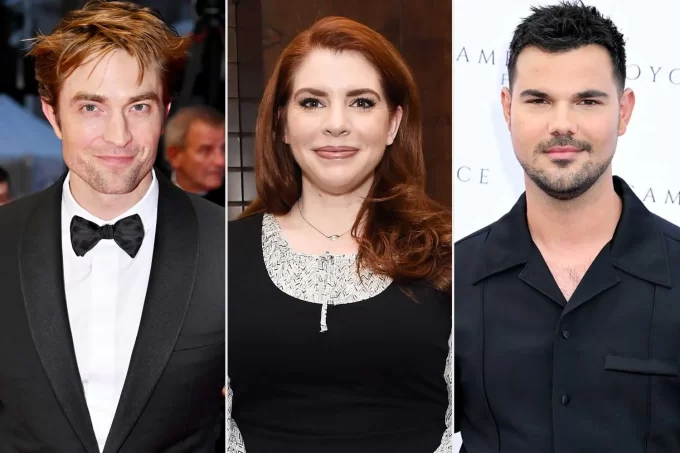
Why Stephenie Meyer’s Regret About Edward Changes Everything You Thought You Knew
The moment Stephenie Meyer admitted she wouldn’t pick Edward Cullen today, a...
Chris Marks2 Mins read
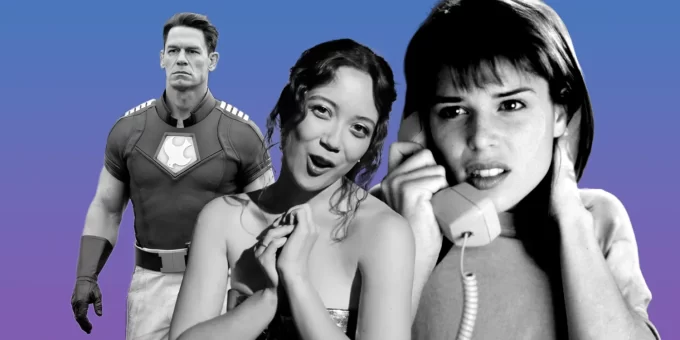
When Fear, Fury & Feathers Collide: Cinema, Superheroes, and a Confessional Album
Open with tension—the kind that threads through a scream, a reveal, and...
Chris Marks2 Mins read




Leave a comment