

The Man Who Said No to Immortality
The singer who turned down Led Zeppelin has died at 75. But his refusal shaped more than one band’s fate—it exposed the quiet dignity of walking away from legend.
 Joseph BennettAugust 5, 20252 Mins read20
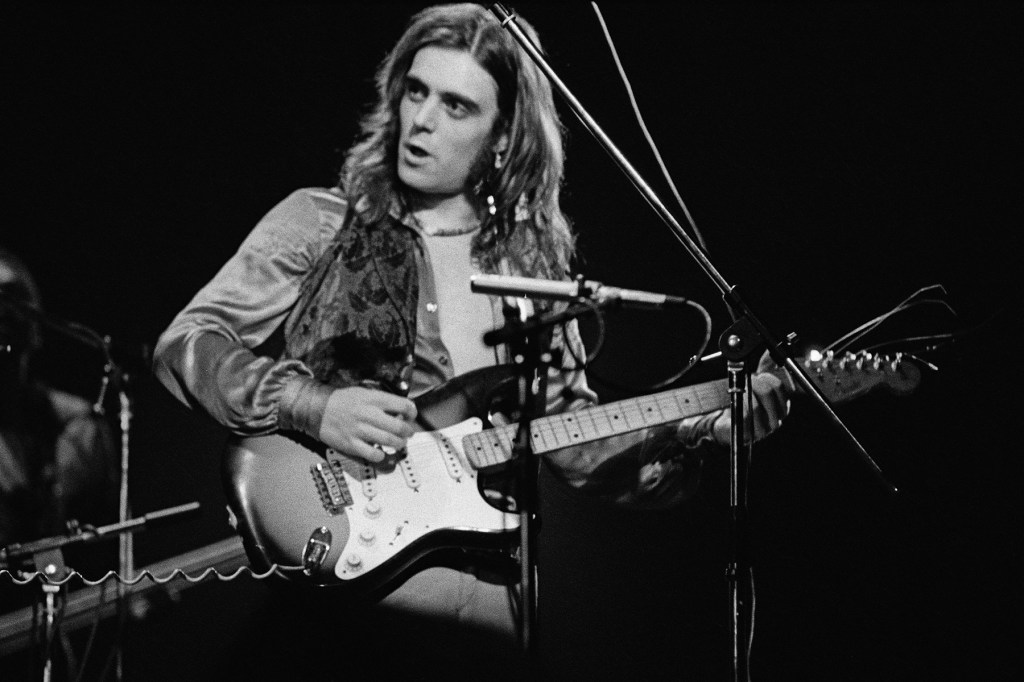
He turned down the gig that could have made him eternal. In an industry where most men claw their way toward the glow of legacy, he simply—gracefully—stepped out of its path. Now, at 75, the unnamed singer who once rejected the frontman role in Led Zeppelin is dead, leaving behind not just a life, but a phantom career.
The refusal lives louder than any note he may have sung. Before Robert Plant’s golden mane became a symbol of rock-and-roll carnality, before Whole Lotta Love roared out of a generation’s speakers, there was a quiet moment in a rehearsal room where a man said no to Jimmy Page. That no was not cowardice. It was clarity.
Not Every Door Leads to Glory
What kind of artist declines the keys to Valhalla? The romantic answer: one who knows himself. The cynical one: someone who didn’t see the fire until it burned without him. In interviews, Jimmy Page has mentioned several singers approached before Plant. One of them, now departed, existed always as a footnote—a ghost who brushed against the brass ring and chose not to grab it.
There is an eerie glamour in what almost was. Every great band has a shadow band—those who might have joined, might have changed the sound, might have rewritten history. But this man, whose identity swirled in rock’s backrooms and backstage whispers, became something more alluring than a star. He became a question.
In music, we celebrate the climbers, the hustlers, the chosen. But rarely do we ask what it means to opt out. Not fail. Not falter. Just say: no, thanks. And keep singing anyway.
Fame Is Loud. But Refusal Echoes.
In an industry bloated on self-mythology, a clean rejection becomes its own form of rebellion. Think of Syd Barrett walking into silence. Think of Jeff Buckley wading into water. This singer’s legacy isn’t defined by what he did—but by what he didn’t.
And yet, wasn’t that silence its own kind of sound? Those who say no to fame still shape it. After all, would Robert Plant seem quite so iconic if we weren’t vaguely aware someone else stood there first, and declined the throne? It’s a strange kind of immortality: being remembered for an absence, mythologized not for your voice, but for your veto.
“He just didn’t feel it was right,” a friend once said, when asked why he walked away. Right. As if instinct had a genre.
He is gone now, and still most won’t know his name. But maybe that’s the point. He proved that sometimes the most rock-and-roll thing you can do is not become a god.
And isn’t that the kind of echo that never fades?





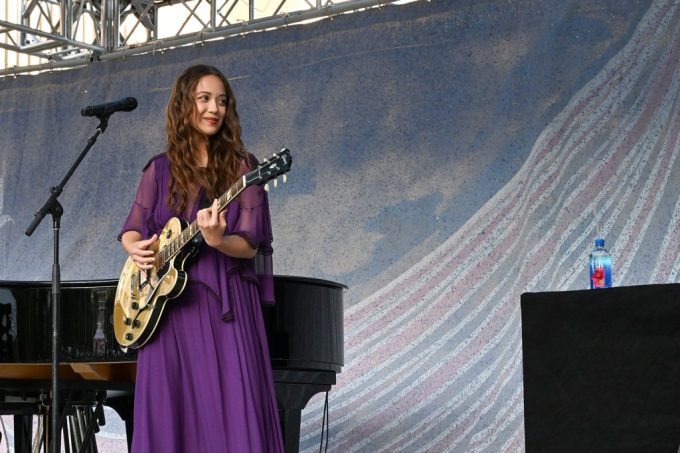
Laufey’s Opening Night Show at LA’s Crypto.com Arena: Best Moments
Laufey opened a two-night stand at Crypto.com Arena in downtown Los Angeles...
 Chris Marks6 Mins read
Julie Adam Is Billboard Canada Women in Music’s 2025 Exec of the Year
Julie Adam is having a milestone year — and it’s getting even...
Chris Marks4 Mins read
Spinal Tap Tribute Album with Foo Fighters,Tool for Teen Cancer America
Spinal Tap may be a fake band, but its music is very...
Chris Marks2 Mins read
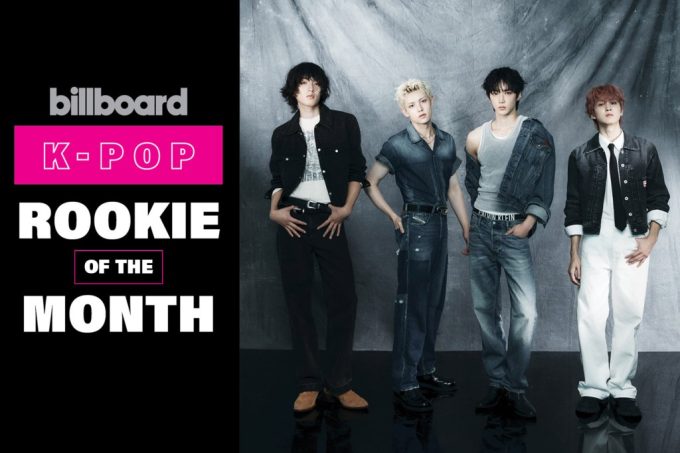
AxMxP Is K-Pop Rookie of the Month for September: Exclusive Photos
Ha Yoo Joon Image Credit: Chin Soyeon You debuted on Sept. 10....
Chris Marks2 Mins read





Leave a comment