

Miles Caton Sings “Snooze”: A Star Reborn Through Blues and R&B Echoes
In an unexpected twist, Sinners breakout Miles Caton channels his soulful voice into a haunting rendition of SZA’s “Snooze,” revealing layers to his artistry—and beckoning us to wonder: what’s next from this multifaceted prodigy?
 Chris MarksJuly 16, 20252 Mins read19

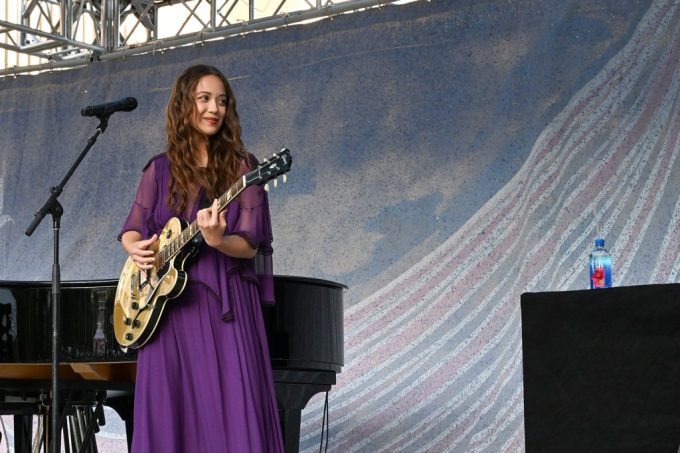
He stands at a grand piano bathed in soft stage light, voice folding into the space with the familiar hush of a lullaby—and then, unexpectedly, he sings “Snooze”. Miles Caton’s cover of SZA’s sultry hit isn’t just a performance—it’s a metamorphosis, a revelation that the 20‑year‑old Sinners breakout is more than a preacher’s son character—he’s a vessel of modern soul.
This is the same artist who learned blues guitar in two months and brought raw devotion to Ryan Coogler’s mystical horror tale. Yet tonight, his gentle croon reshapes SZA’s lyrics—suddenly hopeful, painfully tender, hauntingly intimate—and leaves us with a question: is he channeling nostalgia, or charting a future we haven’t yet imagined?
Reframing the Familiar
Snooze is R&B distilled—dreamy, timeless, and rhythmic enough to linger. Critics have described it as “being in bed with someone you love,” a feeling Caton amplifies by slowing its pulse. His voice, deep-rooted in gospel and blues, teases out nuances in lyrics originally cloaked in casual sensuality. What becomes of the song when you strip away swagger and spotlight vulnerability?
It’s not just a cover—it’s reinterpretation. One moment, “I’ll touch that fire for you…” brims with fervor; the next, it trembles with tenderness. Caton’s version feels like a whisper shared late at night—reflective, unresolved, and utterly human.
Evolution of an Artist
Caton’s trajectory—from viral gospel child to touring with H.E.R. and opening for Coldplay—already defied expectation. His Sinners audition was prompted by H.E.R., a voice that saw something ineffable—something beyond blues and vampiric allegory. Now he reengages with contemporary soul, willing to reinterpret a Grammy-winning song that has permeated the global cultural ear .
Bringing “Snooze” to a piano stage, Caton rejects genre constraints. He is asking: who am I? A blues guitarist? A voice for the supernatural southern undercurrents? A chanter of modern heartbreak? Perhaps all of them, simultaneously.
When he closes with a sustained chord, eyes closed, the hush becomes expectation. We wonder: will he return to the film set? Or will he channel this quiet revolution into a debut album? His next act could pivot to R&B charts or further screen roles—or both.
We began with a haunted melody, reimagined by someone raised on gospel and horror allegory. Now it lingers in our minds like an unanswered echo: what is he going to do next, and what stories will he dare to tell?







Laufey’s Opening Night Show at LA’s Crypto.com Arena: Best Moments
Laufey opened a two-night stand at Crypto.com Arena in downtown Los Angeles...
Chris Marks6 Mins read

Julie Adam Is Billboard Canada Women in Music’s 2025 Exec of the Year
Julie Adam is having a milestone year — and it’s getting even...
Chris Marks4 Mins read

Spinal Tap Tribute Album with Foo Fighters,Tool for Teen Cancer America
Spinal Tap may be a fake band, but its music is very...
Chris Marks2 Mins read

AxMxP Is K-Pop Rookie of the Month for September: Exclusive Photos
Ha Yoo Joon Image Credit: Chin Soyeon You debuted on Sept. 10....
Chris Marks2 Mins read





Leave a comment