

Grunge Goes Surf: Why Skegss Covering Sheryl Crow Should Worry You
Australian garage-punkers Skegss just reimagined Sheryl Crow’s If It Makes You Happy—and it’s less a tribute than a cryptic time machine. Is this nostalgia, irony, or something far more intimate?
 Chris MarksAugust 1, 20252 Mins read26

A cigarette dangles from a cracked lip, the sun is setting like it’s being punished, and somewhere—too far from Nashville to matter—a band called Skegss is making Sheryl Crow sound like a garage-born confession. It’s not a reinvention. It’s an exposure.
Their cover of If It Makes You Happy doesn’t sparkle—it sneers. Stripped of polish and sung like a dare, the song isn’t a throwback; it’s a kind of detonation. This isn’t nostalgia, and it’s certainly not reverence. It’s as if the band dug through their parents’ CD racks, found something suspiciously sincere, and decided to rewire it with fuzz, sarcasm, and sand.
The result is beautifully disorienting. Sheryl Crow’s 1996 original was already complex—a half-smile masking frustration, pop sensibility cloaked in rock fatigue. But Skegss plays it like the message finally sank in, twenty years late and two generations angrier. There’s resignation in the guitars, rebellion in the shrug.
When Irony Becomes Intimacy
It’s easy to dismiss covers like this as ironic, the Gen Z equivalent of a wink. But listen closer. There’s a vulnerability in the delivery that doesn’t belong to irony. It belongs to disillusionment. Skegss aren’t mocking Crow—they’re echoing her, like kids raised on a hangover they didn’t cause.
The vocals—slurred, urgent, and oddly earnest—carry the same weariness Sheryl once sang with lipstick precision. But here, it’s less confessional than confrontational. It’s a reminder that the words “If it makes you happy / then why the hell are you so sad?” might hit harder when sung by someone who didn’t grow up in the ’90s but still carries its emotional debts.
“People think we’re always just joking,” one band member once said in a backstage interview, “but a lot of what we do is dead serious—just disguised.” And that’s the thing about deadpan: sometimes it’s grief in a leather jacket.
The Cover Song as Cultural Barometer
This isn’t the first time a cover song has exposed the fault lines of a generation. But Skegss’ choice of this song—an alt-radio relic from a different kind of America—feels surgical. It speaks to a collapsing distance between irony and empathy, where the act of remaking something isn’t about homage, but excavation.
They could’ve chosen anything. But they chose a track that asked a question most of us still don’t know how to answer. And they screamed it through reverb like a message in a bottle. What happens when the pursuit of happiness becomes performance art? When sadness is aestheticized, and every chorus becomes a therapy session gone public?
Skegss didn’t just cover Sheryl Crow. They revealed how her lyrics feel after 20 more years of burnout, broke economies, and curated sadness. It’s not a revival. It’s a reckoning.
So maybe it makes you happy. But does it still make sense?







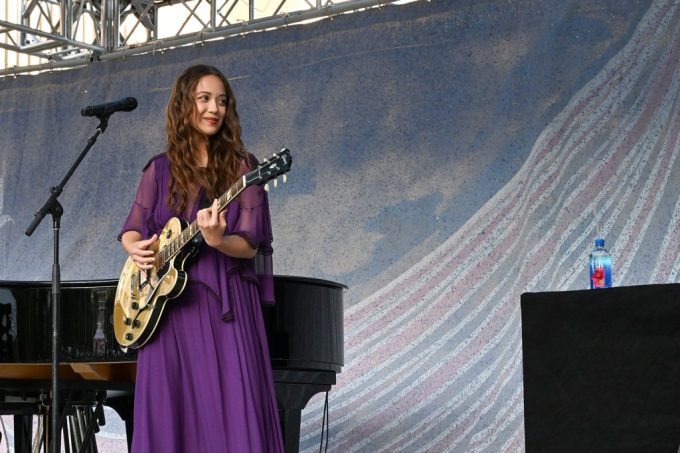
Laufey’s Opening Night Show at LA’s Crypto.com Arena: Best Moments
Laufey opened a two-night stand at Crypto.com Arena in downtown Los Angeles...
Chris Marks6 Mins read
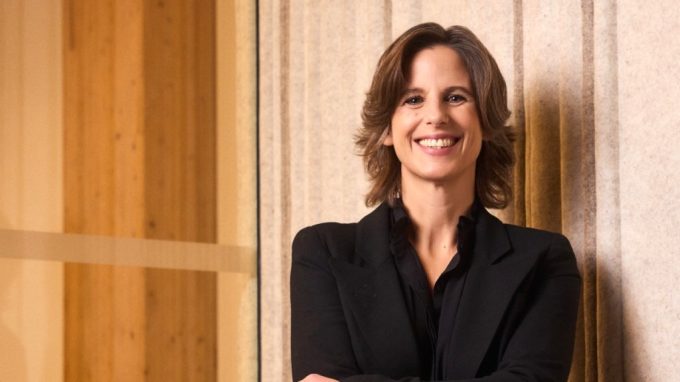
Julie Adam Is Billboard Canada Women in Music’s 2025 Exec of the Year
Julie Adam is having a milestone year — and it’s getting even...
Chris Marks4 Mins read
Spinal Tap Tribute Album with Foo Fighters,Tool for Teen Cancer America
Spinal Tap may be a fake band, but its music is very...
Chris Marks2 Mins read
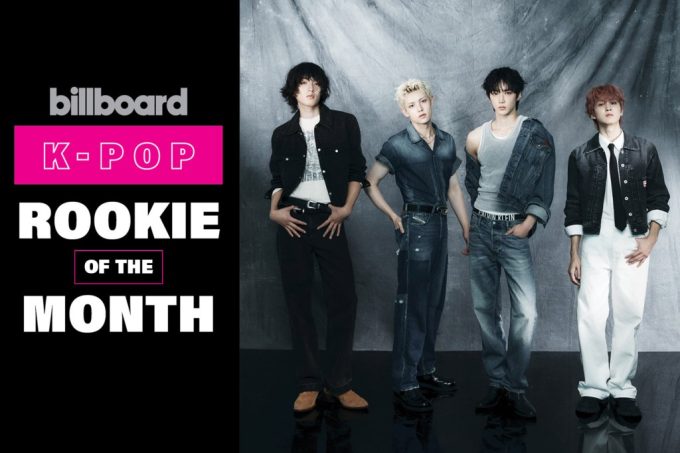
AxMxP Is K-Pop Rookie of the Month for September: Exclusive Photos
Ha Yoo Joon Image Credit: Chin Soyeon You debuted on Sept. 10....
Chris Marks2 Mins read





Leave a comment