

When Helmets Become Spaceships: Aaron Rodgers’ Dissent Sparks a Design Debate
Aaron Rodgers didn’t hold back, calling the Steelers’ new helmet design a “damn spaceship”—but beneath the sarcasm lies a deeper clash about identity, safety, and the future of football’s most iconic gear.
 Kirsten CollinsAugust 12, 20252 Mins read23
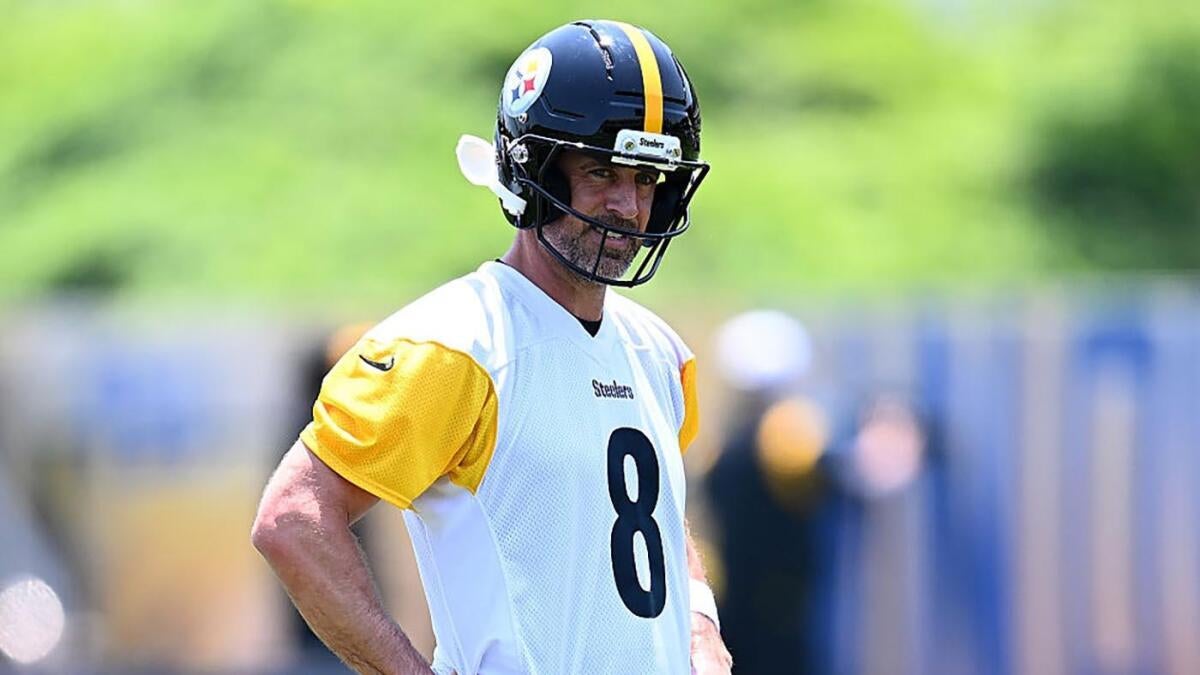
They say a helmet is protection, tradition, and pride all wrapped into one, but what happens when it looks more like a relic from a sci-fi film than a football staple? Aaron Rodgers didn’t mince words—his reaction to the Steelers’ new helmet was blunt and unvarnished: “Looks like a damn spaceship.” That offhand remark isn’t just about aesthetics; it’s a challenge to an entire cultural symbol teetering on the edge of reinvention.
Rodgers, no stranger to outspoken opinions, tapped into a subtle resistance rippling beneath the surface of the NFL—where the tension between innovation and legacy plays out in every locker room and boardroom. What’s behind this resistance? Is it simply fear of change, or a profound unease about losing something essential?
Space Age or Nostalgia Trap?
The Steelers’ new helmet, sleek and modern, is meant to represent progress: better materials, improved safety, and a bold new look. But is the future always inviting? Rodgers’ quip hints at a deeper discomfort, an instinctive recoil from what might feel alien, even threatening, to players and fans rooted in the sport’s gritty past.
“Sometimes, change isn’t just about improvement—it’s about identity,” Rodgers once said in another context. Here, it feels like a warning: What do we sacrifice when we sacrifice the familiar? The very idea of a “spaceship” helmet encapsulates that unease—a symbol of innovation that could isolate rather than unite.
The Helmet as a Cultural Touchstone
This isn’t merely a dispute over paint and polymer. Helmets carry legacy. They are worn with reverence, signaling allegiance, pride, and the lineage of battles fought on the gridiron. To toss that aside for something that looks more “spaceship” than “steel curtain” is to question the meaning beneath the faceguard.
And yet, isn’t football itself a game defined by adaptation? Players evolve. Strategies shift. Safety improves. Maybe the real question is whether tradition can bend without breaking—or if, like Rodgers suggests, we’re staring at a helmet that feels too alien to truly belong.
His words echo louder than the steel and foam of the helmet itself. Are we ready to trade nostalgia for novelty? To embrace a future that might look more like science fiction than folklore?
Rodgers’ spaceship remark lands like a soft missile—playful but potent—leaving us to wonder: When the future arrives looking like a spaceship, who really decides whether to board?







Barcelona’s Fragile Pursuit: When Injuries Threaten More Than Just a Season
A silence spreads over Camp Nou that no roar can drown out—two...
 Chris Marks2 Mins read

William Saliba: Arsenal’s Silent Architect or Its Greatest Gamble?
The air inside the Emirates shifts with unspoken tension—William Saliba, once a...
 Joseph Bennett2 Mins read

Joel Embiid’s Quiet Confidence: Is the 76ers’ Giant Ready to Rewrite His Story?
Joel Embiid is rarely one to make noise without purpose, and now,...
Kirsten Collins1 Mins read
Juventus, Atalanta, and Arsenal’s Quiet Revolution: What’s Really Shaping This Week in Football?
The roar of Serie A stadiums masks a subtle shift, one that...
Kirsten Collins2 Mins read



Leave a comment