

T.J. Watt’s Record-Breaking Contract: Redefining Value Beyond the Quarterback
The Steelers’ T.J. Watt has just inked a historic deal, becoming the highest-paid non-quarterback in NFL history. But does this groundbreaking contract signal a seismic shift in how the league values defensive prowess — or is it something else entirely?
 Joseph BennettJuly 17, 20251 Mins read18

There’s a new kingpin in the NFL’s financial game — and he doesn’t throw touchdowns. T.J. Watt’s contract extension with the Pittsburgh Steelers has rewritten the narrative on player value, vaulting him into the rarefied air of the highest-paid non-quarterback in league history. But what does this mean for the sport’s hierarchy? Are quarterbacks finally losing their financial monopoly, or is Watt simply the outlier in an evolving but still quarterback-centric league?
The deal is more than just numbers; it’s a statement. Watt’s relentless pressure on the field translates into an undeniable force, a reminder that defense, often overshadowed by flashy offense, wields its own kind of power. As one insider put it, “T.J. isn’t just a player, he’s a game changer — on and off the field.”
When Defense Commands the Spotlight
For decades, quarterbacks have commanded the lion’s share of NFL riches, their roles glorified and bankrolled accordingly. Watt’s ascent challenges that tradition, forcing us to reconsider what true value looks like. Is the Steelers’ move an acknowledgment that game-changing defense deserves equal spotlight — and equal pay? Or is it a strategic gambit designed to keep a franchise cornerstone from walking into free agency’s uncertain wilds?
What’s fascinating here is the tension between legacy and innovation. Watt embodies a new kind of star, one whose worth defies old assumptions about the sport’s economic architecture. It begs the question: could this contract herald a new era where defensive dominance reshapes the NFL’s financial landscape — or is it merely a brilliant exception?
The Price of Power
Money always tells a story, and in Watt’s case, it narrates ambition, loyalty, and market forces colliding. But there’s an unspoken layer: the pressure now resting on Watt’s shoulders to justify every penny. As contracts inflate, so too do expectations — both public and personal. How will this shift affect his game, his leadership, and the Steelers’ future?
In the end, this contract extension is a mirror reflecting broader cultural shifts within professional sports — where power balances are in flux, and the old playbook no longer applies. Watt’s deal is a question posed loudly to the NFL world: who really holds the keys to the game?






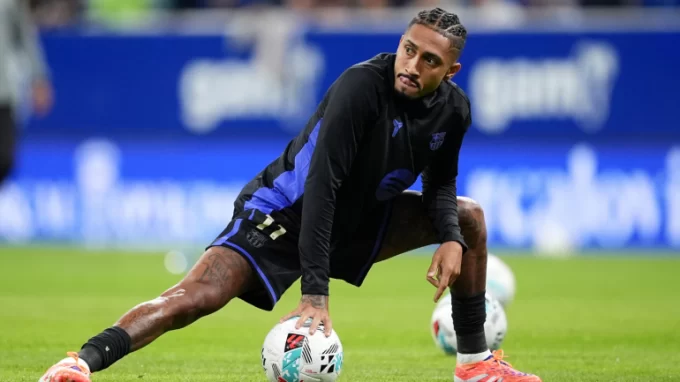
Barcelona’s Fragile Pursuit: When Injuries Threaten More Than Just a Season
A silence spreads over Camp Nou that no roar can drown out—two...
 Chris Marks2 Mins read
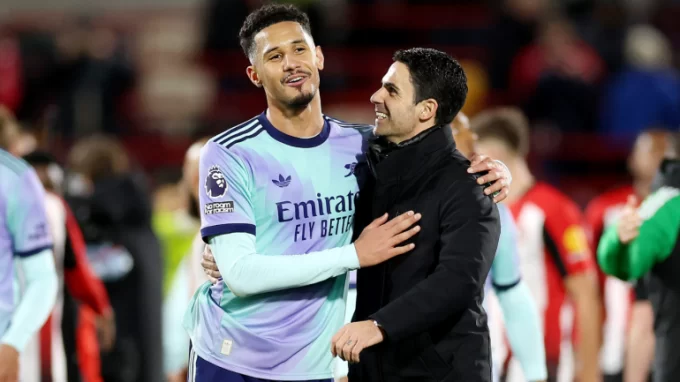
William Saliba: Arsenal’s Silent Architect or Its Greatest Gamble?
The air inside the Emirates shifts with unspoken tension—William Saliba, once a...
Joseph Bennett2 Mins read
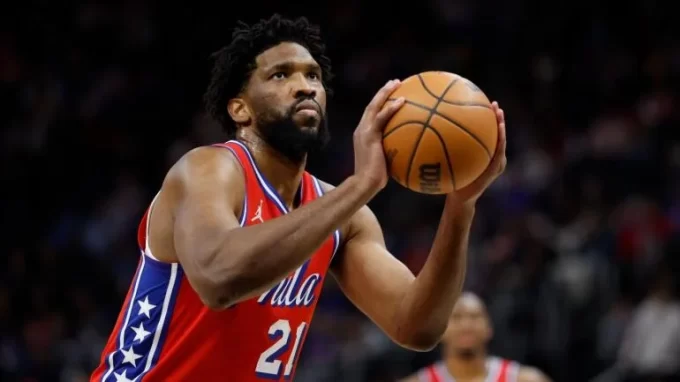
Joel Embiid’s Quiet Confidence: Is the 76ers’ Giant Ready to Rewrite His Story?
Joel Embiid is rarely one to make noise without purpose, and now,...
 Kirsten Collins1 Mins read
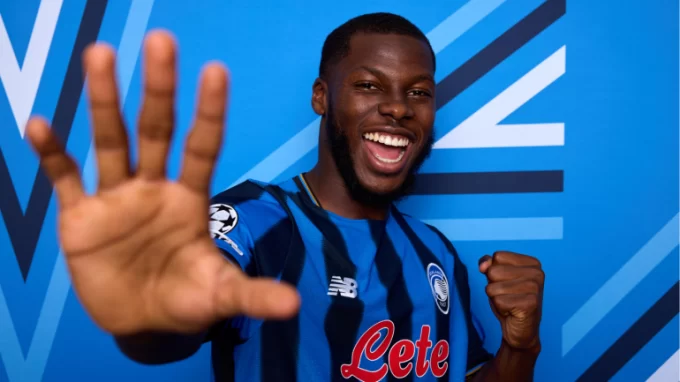
Juventus, Atalanta, and Arsenal’s Quiet Revolution: What’s Really Shaping This Week in Football?
The roar of Serie A stadiums masks a subtle shift, one that...
Kirsten Collins2 Mins read





Leave a comment