

He Went Blind—But Who Was Watching?
Austin Butler jolts awake mid-flight, vision gone, heart racing—and yet, the day’s work beckoned. Who carries on after nearly dying?
 Joseph BennettAugust 20, 20252 Mins read26
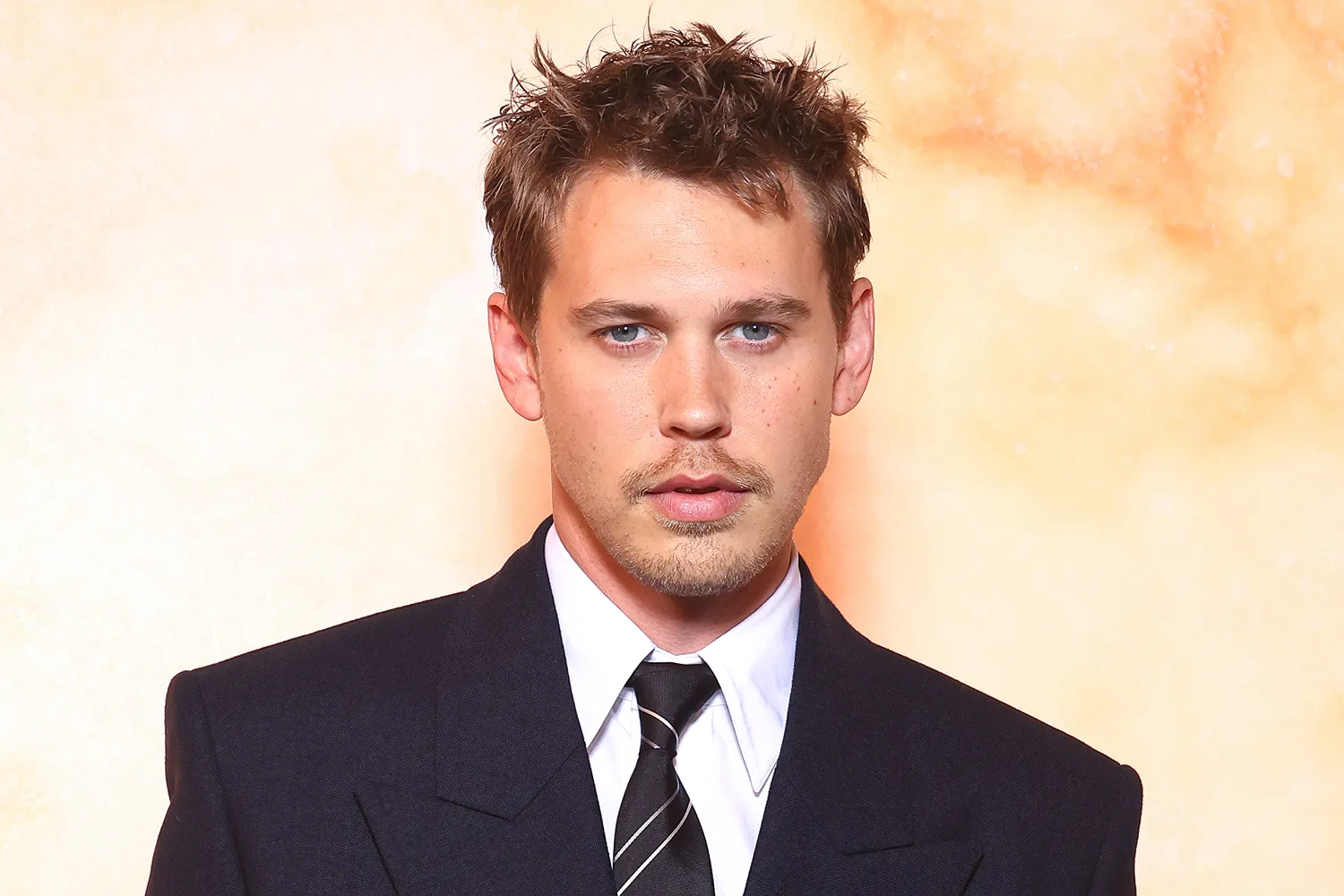
When the edges of the world blurred and the cabin lights dimmed, Austin Butler felt the life drain from him—a migraine that swallowed his sight, a sudden void where vision once was. He thought it was the end—but the script, the camera, the motorcycle scene waited.
In those minutes of darkness, he wasn’t just an actor; he was a man suspended between collapse and continuation. When his sight returned—slowly, like a painting refocusing—he didn’t collapse. He stood, boarded the set, and breathed into his character as though nothing had happened. “It felt like the life was being sucked from my body… I actually genuinely thought I was dying.”
Under the Surface
The danger wasn’t only internal. On set for The Bikeriders, Butler and his co-stars—Tom Hardy, Jodie Comer—rode dangerously close, literally. Forty bikes, vintage models, cornfield roads, no helmets, pebbles flying like missiles. A moment’s lapse could spiral into carnage. He remembers the stream of gravel slashing at his eyes, the throttle humming like exhilaration and threat entwined.
Yet, the bigger fragility lay elsewhere. After playing Elvis, a virus struck. A phantom foot pain followed Dune: Part Two. Sleep vanished, and the body spoke in migraines, blind spots, pain. Sleep deprivation was no longer a badge—it was a warning.
“For a long time,” he admitted, “I felt that it [acting] had to be a tortured process and I would come out the other side broken.”
Synthesis, Not Sacrifice
Somewhere amid the chaos, guidance arrived. Laura Dern, a quiet force, showed him another path: healing need not be antithetical to performance. She helped him see that roles—especially dark ones—could heal, not obliterate. “You don’t have to destroy the light,” he realized, as rest and the simplest rituals—sunlight on his balcony, a call to a friend—became lifelines.
Now, with projects like Caught Stealing on the horizon, the question isn’t whether he can endure suffering, but whether he can thrive without it.
The Bikeriders Redux
The world flickers back into view through the lenses of The Bikeriders—a 1960s journey into outlaw motorcycle life, rich with nostalgia, danger, and a shifting moral mirror. Butler’s Benny is a vessel of myth and fragility, riding through Midwest roads in scenes that pulse with both rebellion and resignation.
We want to know: how do experiences like near-blindness color performance? Does someone who nearly thought he was dying bring a different intensity to the frame, a deeper hush behind the roar of engines?
He opened his eyes mid-crisis—and kept going. Now, we lean closer to catch the next flicker, the next question he sets spinning in the dark.
What will he see when he truly looks again…?




How Much Money the Fighter Makes – Hollywood Life
Image Credit: Zuffa LLC via Getty Images Ronda Rousey is making her...
 Kirsten Collins2 Mins read
How to Watch & More About the Timothée Chalamet Movie – Hollywood Life
Image Credit: GC Images Gwyneth Paltrow and Timothée Chalamet star in the sports...
Kirsten Collins2 Mins read

Meet the Actors Behind the Netflix Series – Hollywood Life
Image Credit: Courtesy of Netflix The Straw Hat Pirates are setting sail...
Kirsten Collins2 Mins read

Release Date, Plot, Cast & More Updates – Hollywood Life
Image Credit: The Hollywood Reporter via Getty Disney is officially bringing Tangled...
Kirsten Collins2 Mins read





Leave a comment