

The Mother, The Myth, The Pill: Suge Knight’s Tupac Revelation That Haunts the Room
Suge Knight has dropped a confession from behind bars: that Afeni Shakur, Tupac’s mother, allegedly gave her son pills to help him die. It’s a claim that blurs grief, power, and the limits of truth.
 Joseph BennettJuly 3, 20252 Mins read14
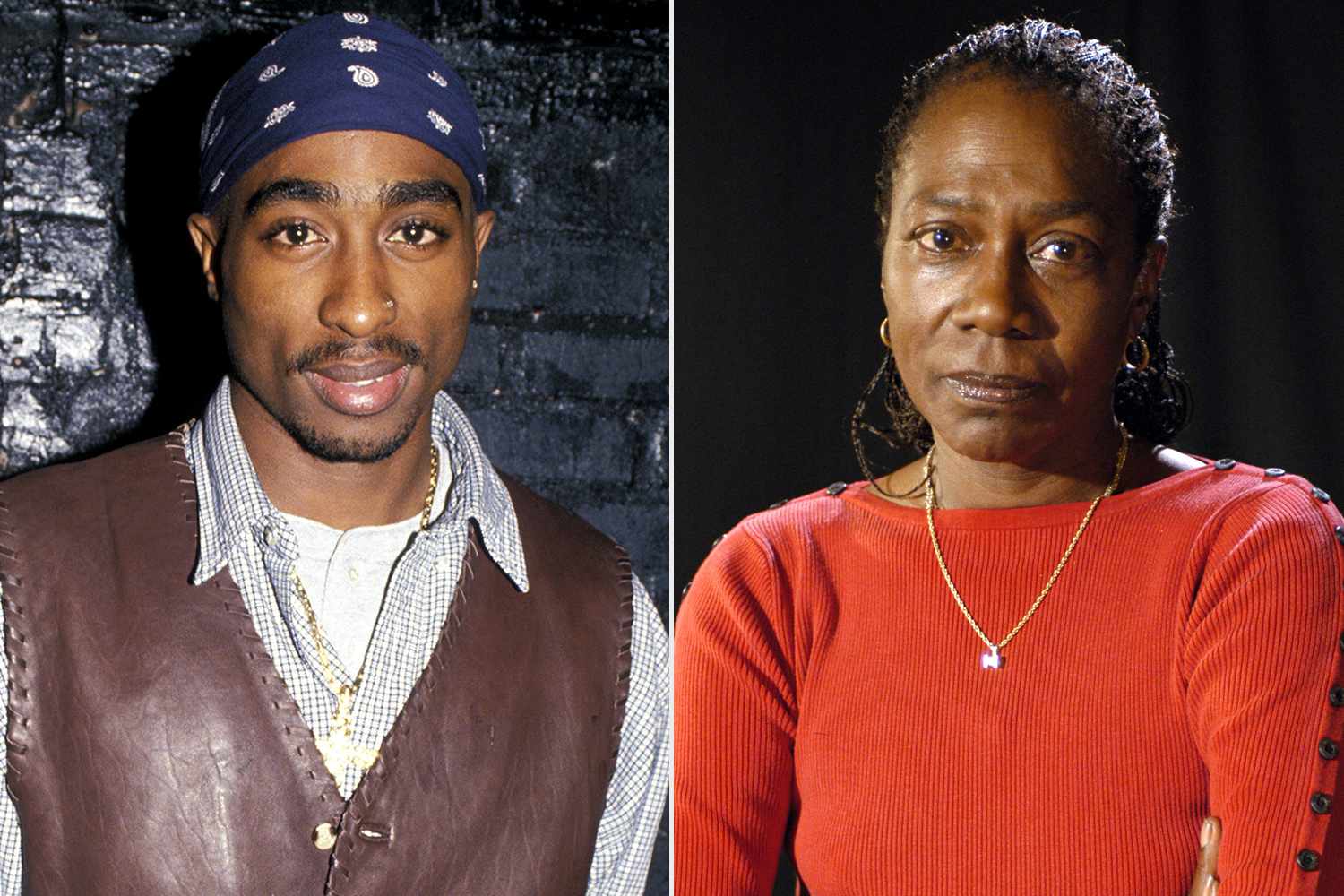
The room smelled like silence and latex—hospital-white, full of ghosts. And somewhere in that cold stillness, Suge Knight now claims, a mother chose to let her son go.
From the isolation of prison walls, Knight’s words ricochet like gunshots across decades of doubt. He doesn’t whisper it. He says it plainly: Afeni Shakur gave Tupac pills to ease him out of this world. It’s a story no one expected—and one no one knows quite what to do with. Because if it’s true, it changes everything. If it’s not, why now?
Let the Boy Go
Tupac wasn’t supposed to survive that night in 1996. Six days in the ICU, clinging to something only his body understood. According to Knight, Tupac—bloodied, half-lucid—begged for release. “Kill me,” he allegedly said. “Shoot me.” A devastating refrain from a man who had lived every second like a fuse. And Knight’s claim is that Afeni listened. “She gave him some pills,” he says, the way someone says the moon rises. Not with fire, but with finality.
There are no records of those pills. No coroner report will tell us what they were. And Afeni, long passed herself, cannot answer. But Knight is less concerned with proof than with power—specifically, the power of a mother to choose what her son’s last moment looks like. If she did help him die, was it an act of mercy? Or mythology?
The more you stare at the claim, the more it turns to smoke.
Cremation, Cash, and the Blunt That Burned Too Much
Knight didn’t stop at the pills. He says Afeni demanded immediate cremation. Cash on the table. No ceremony, no second guesses. And here’s where the tale spirals into legend: some say his ashes were rolled into a blunt and smoked by Outlawz. “We smoked his ashes,” a friend reportedly said. What reads like urban folklore is repeated with a straight face, as if Tupac were both sacrifice and sacrament.
And that’s the problem with icons. They stop being people. They become something to light, to inhale, to bend into new truths. Tupac always walked that razor’s edge—half prophet, half provocateur. So when Knight adds a line like this to the story, does it reflect truth… or does it feed the myth machine?
The silence from Tupac’s family is louder than any denial.
If Afeni did it, was it an act of defiance against a medical system dragging out death? Or an act of unbearable, private grief? And if Suge Knight is lying—or remembering things in a way only grief allows—what does that say about the stories we’re desperate to believe?
Maybe the only thing more painful than Tupac’s death… is the idea that we still don’t know how it really ended.








When Mercy Meets Tragedy: The Widow Who Forgave Her Husband’s Killer
The air thickens when forgiveness enters a room meant for grief. Imagine...
 Chris Marks1 Mins read

When Fear Became a Lifeline: Pete Davidson’s Reckoning in Rehab
There’s a silence that follows a mother’s voice when she confesses her...
Joseph Bennett1 Mins read

Pete Davidson’s mom told him in rehab worst fear was learning he died
Pete Davidson is opening up about the heartbreaking moment he had with...
Chris Marks2 Mins read

Katie Couric’s Unexpected Spin on Sydney Sweeney’s American Eagle Ad: What’s Really Being Said?
Katie Couric stepping into a scene dominated by Gen Z glamour feels...
 Krista Freeland2 Mins read




Leave a comment