

The Reaping of Stardom: Kelvin Harrison Jr.’s Game-Changing Role in Sunrise
Kelvin Harrison Jr. is no stranger to complexity, but his latest role in Sunrise on the Reaping could be the most transformative yet. What does his addition to this already ambitious project mean for the future of storytelling and star power?
 Kirsten CollinsMay 13, 20252 Mins read70
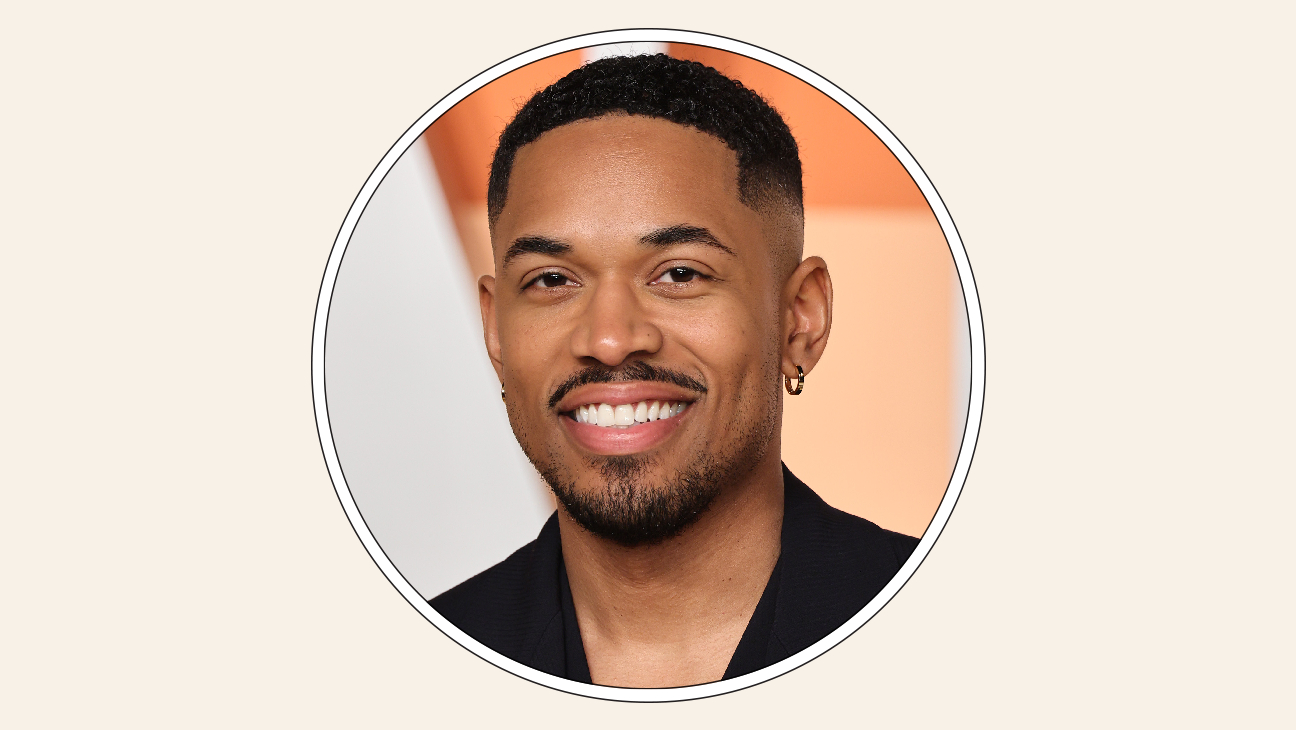
When you see Kelvin Harrison Jr. on screen, it’s impossible not to wonder: How does a performer so young, so unassuming, manage to exude such depth, such weight? His performances carry the kind of precision and heart that make you question the very nature of acting itself. Now, with the announcement of his latest role in Sunrise on the Reaping, Harrison has once again done the unthinkable: he’s positioned himself as the anchor of what could be one of the most explosive films of the next decade.
But why Sunrise? What is it about this film—an enigmatic, genre-bending exploration of destiny, loss, and human survival—that has brought a talent like Harrison into its orbit? It’s not just that his reputation as one of Hollywood’s most intriguing rising stars precedes him. It’s that Sunrise is not merely a movie. It’s a statement, a riddle wrapped in the tantalizing promise of something much more. As Harrison’s character faces unimaginable challenges, the question remains: what will his portrayal reveal about the uncharted territories of human experience?
A Quiet Revolution in Casting
There’s something almost prophetic about the way casting for Sunrise on the Reaping has unfolded. Every decision seems calculated, intentional, each actor placed like a masterstroke in an abstract painting. When Harrison was brought on board, it felt like more than just another talented actor signing up for a role—it felt like an awakening. His presence in this particular film feels more like the collision of two forces: his unyielding, yet tender, style of acting and the dark, expansive narrative of the movie itself.
In the world of film, casting isn’t just about finding the right face or name; it’s about finding an energy that can electrify a story. Harrison brings that energy in spades. The actor’s ability to convey vulnerability and strength simultaneously makes him the perfect match for Sunrise, a film that explores survival against the backdrop of an unforgiving world. But will this film, which seems poised to explore the very nature of sacrifice and consequence, change the way we view Harrison—and Hollywood’s understanding of talent itself?
The Weight of the Story and the Actor
What makes Sunrise on the Reaping so intriguing is not only the narrative’s high stakes, but the weight it places on its actors. This isn’t a film where performances are easily overlooked; this is a world where every glance, every hesitation, feels like a universe of emotions waiting to be unlocked. For Harrison, this might be his most important role to date—a chance to redefine what it means to truly inhabit a character. His ability to navigate complexity without losing the rawness of human emotion has always been his strongest suit. Here, he has the opportunity to elevate that trait to its highest potential.
Sunrise demands an actor who can hold the audience in an uncomfortable, yet exhilarating, tension. In a scene where the boundaries between life and death blur, and moral lines become smudged, Harrison’s character will find himself pushed to extremes. It’s this journey, this transformation from mere survivor to something more profound, that seems to promise greatness not just for the film, but for Harrison himself.
But as the film edges closer to release, the real question remains: In a world where star power often dictates the narrative, will Sunrise on the Reaping be the film that allows Kelvin Harrison Jr. to eclipse his predecessors, or will it be just another chapter in an ever-expanding catalog of Hollywood’s great young talents? Only time will tell. But one thing is certain—his addition to the film marks the beginning of something far more significant than a mere casting choice. It feels like the turning of a page in a story we’re all waiting to see unfold.







Pianist Omar Harfouch Brings Celebrated Figures Together for a Night of Cultural Exchange – Hollywood Life
Image Credit: Omar Harfouch On February 20, 2026, pianist and cultural figure...
Kirsten Collins2 Mins read

Who Is Ivana Lisette Ortiz? About the Rihanna Home Shooting Suspect – Hollywood Life
Image Credit: WWD via Getty Images The suspect in the March 8,...
Kirsten Collins1 Mins read

How Much Money Does She Have Now? – Hollywood Life
Image Credit: WWD via Getty Images Rihanna may be known as one...
Kirsten Collins2 Mins read
Stars Who Slammed ‘Love Story: JFK Jr. & Carolyn Bessette’: Statements – Hollywood Life
Image Credit: Getty Images FX’s Love Story: John F. Kennedy Jr. and...
Kirsten Collins2 Mins read





Leave a comment