

The Survé Invitation
Behind the velvet rope of Africa’s most ambitious cultural gathering stands a family name whispered with awe, suspicion, and legacy: Survé. But is this empire of experience built on vision—or something far more complicated?
 Kirsten CollinsApril 30, 20252 Mins read38
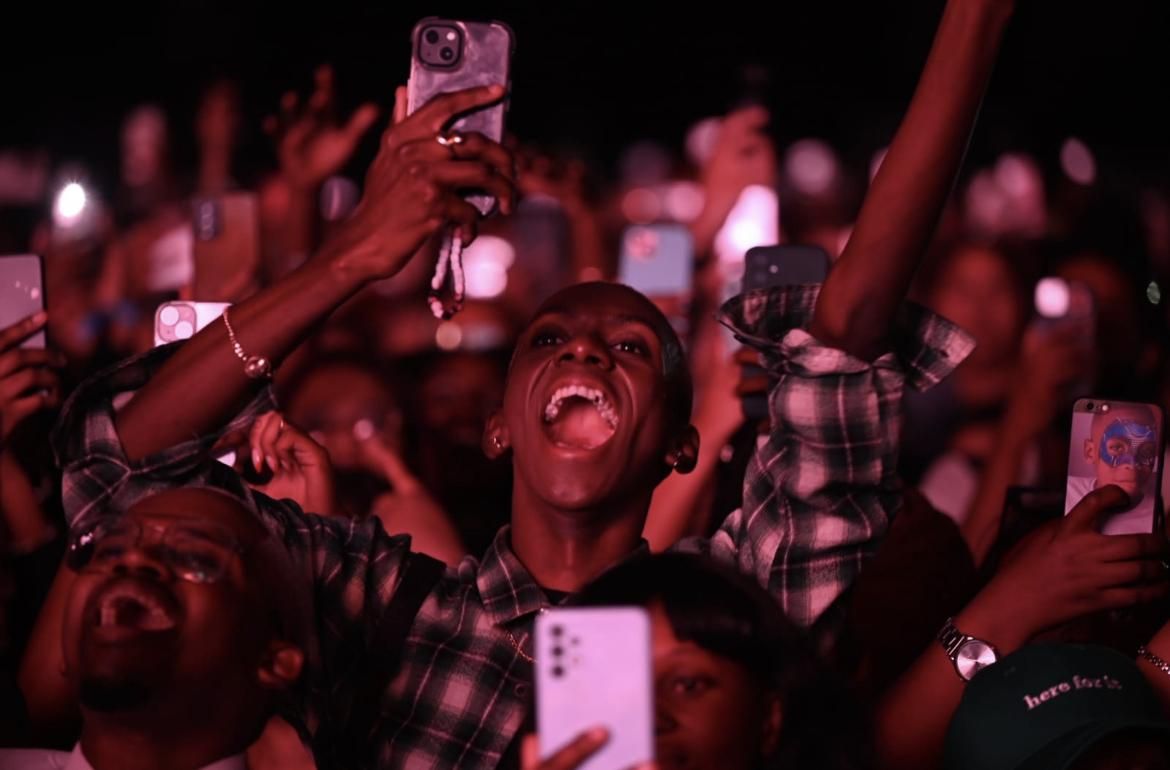
No one quite knows how the Survé family pulled it off—but no one dares to look away either. The Next Festival, equal parts spectacle and spiritual summit, has become the continent’s most mythic event, where billionaires sip rooibos cocktails beside barefoot poets, and where diplomacy often looks like dancing. At its heart is a family that seems to shape not just the guest list, but the narrative of modern Africa itself. The Survés don’t host gatherings. They host gravity.
The festival’s announcement for March 2026 barely needed promotion. Whispers moved faster than press releases. A Survé summons carries its own weight—both a promise and a puzzle. Yes, there will be art. Music. Policy panels. Ritual. Revolution. But beneath the performance lies something deeper: a curated vision of African power, elegance, and belonging. The question isn’t who’s coming. It’s who’s being watched.
The Cult of Invitation
This is not a family built for simplicity. There’s the elder—Dr. Iqbal Survé—equal parts media mogul and mystery, who speaks of Africa like a lover and a battlefield. His legacy is controversial, yet magnetic. Then there are the younger Survés, tacticians of culture, commerce, and subtle influence. They move like diplomats, but think like designers. Every color of the festival, every speaker, every seemingly spontaneous moment is, one suspects, part of a carefully architected mythology.
“It’s not about ego,” one longtime attendee told me over a late-night Negroni at the Mount Nelson. “It’s about narrative. The Survés are curating the story Africa tells itself when the world stops listening.”
And that’s what makes Next so unlike anything else. It is not a festival in the European sense—tents, tickets, tokens. It’s a mirror held up to an imagined Africa: glamorous, intellectual, ancient yet styled in chrome. The Survés didn’t just create an event. They’ve branded a feeling.
Legacy in Luxe
But what does it mean to inherit influence in a post-liberation, still-fractured South Africa? When the Survés walk through Langa or Sandton or Rabat, are they cultural custodians—or architects of a private mythology draped in the language of Pan-African unity?
The answer may lie somewhere in the tension between purpose and power. The festival champions young African creators—yet invites only a curated few. It speaks of access—yet trades in exclusivity. And the family’s role is everywhere and nowhere, present in every press packet, absent from every controversy.
Still, no one else has dared to dream at this scale. And for that alone, the Survés remain unavoidable. Africa has long suffered from being defined by others. Perhaps this is a reclamation. Or perhaps it’s just a more elegant version of the same control, wrapped in Ankara and soundtracked by Afrofuturist jazz.
As March 2026 approaches, one wonders: does the Survé family believe in legacy, or are they simply perfecting the performance of it?
Because in the end, no one attends the Next Festival to be seen—they come hoping to glimpse who they might become.
- Africa cultural festivals
- African cultural diplomacy
- African family dynasties
- African luxury events
- African philanthropy and art
- African soft power
- Cape Town festivals
- Iqbal Survé
- Next Festival 2026
- Next Festival Africa
- Next Festival Cape Town
- pan-African identity
- South African elite families
- South African festival legacy
- Survé brothers
- Survé cultural influence
- Survé empire
- Survé family
- Survé legacy






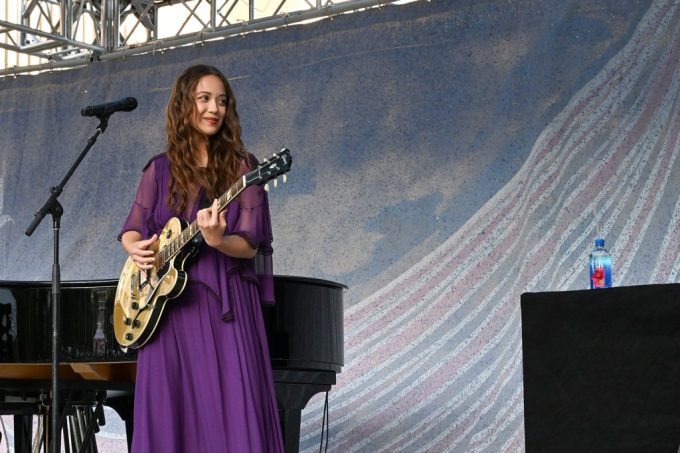
Laufey’s Opening Night Show at LA’s Crypto.com Arena: Best Moments
Laufey opened a two-night stand at Crypto.com Arena in downtown Los Angeles...
 Chris Marks6 Mins read
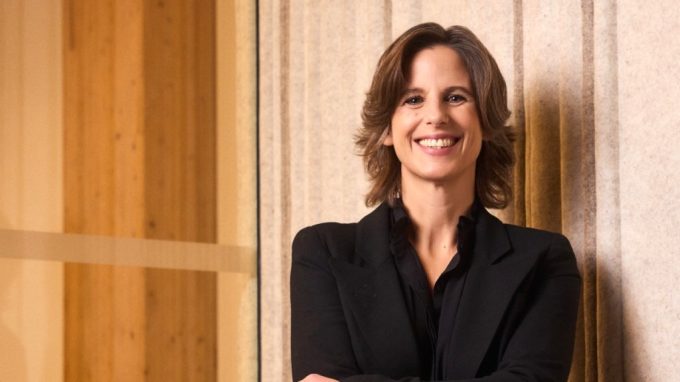
Julie Adam Is Billboard Canada Women in Music’s 2025 Exec of the Year
Julie Adam is having a milestone year — and it’s getting even...
Chris Marks4 Mins read
Spinal Tap Tribute Album with Foo Fighters,Tool for Teen Cancer America
Spinal Tap may be a fake band, but its music is very...
Chris Marks2 Mins read
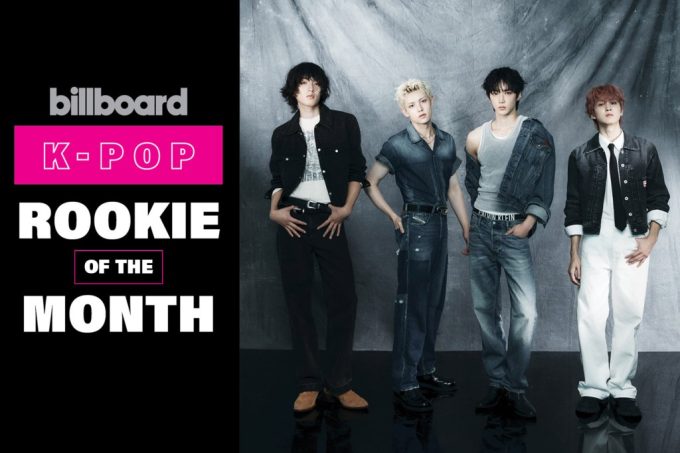
AxMxP Is K-Pop Rookie of the Month for September: Exclusive Photos
Ha Yoo Joon Image Credit: Chin Soyeon You debuted on Sept. 10....
Chris Marks2 Mins read





Leave a comment