

When “107 Days” Meets Outcry: Harris’s Book Tour Interrupted
Kamala Harris’s book launch in New York was jolted by pro‑Palestinian protesters — and in those disruptions lies a deeper question about accountability, voice, and power.
 Chris MarksSeptember 26, 20251 Mins read27

The microphone crackled to life, and before Harris could finish her opening line, a voice shattered the hush: “Your legacy is genocide.” The room froze. The punch was immediate — the politics, irreversible.
At the first stop of her “107 Days” book tour in New York, former Vice President Kamala Harris was interrupted not once, but several times by pro‑Palestinian protesters. Onstage, she acknowledged their right to speak — and then challenged them: “You’re not letting me speak.” She spoke of heartbreak, outrage, and attempted to steer the room back into her narrative. But the night suggests her story is no longer hers alone to control.
She defended her voice, saying: “I respect your right to speak … what is happening to the Palestinian people is outrageous, and it breaks my heart.” Yet in that defense lies a paradox: how do you speak for others when you cannot speak for yourself?
When Protest Becomes a Mirror
She is not the first public figure to face protests at speeches — but this moment differs. The protest was not tangential. It pressed directly. “Your legacy is genocide” is not dissident dissent; it is a moral indictment thrown into the center of her narrative.
Observers note that Harris criticized Donald Trump heavily that night, accusing him of giving Netanyahu a “blank check.” She also distanced herself, somewhat, from Biden’s Gaza strategy — a shift emerging in her memoir: that his response was emotionally inadequate, lacking empathy for Palestinian suffering.
Did the disruption force a reckoning she both feared and needed?
Authority in the Shadow of Silence
Harris repeatedly said she was not president, that she could not override policy. “I’m not president right now — there’s nothing I can do,” she told a protester, as applause rose.




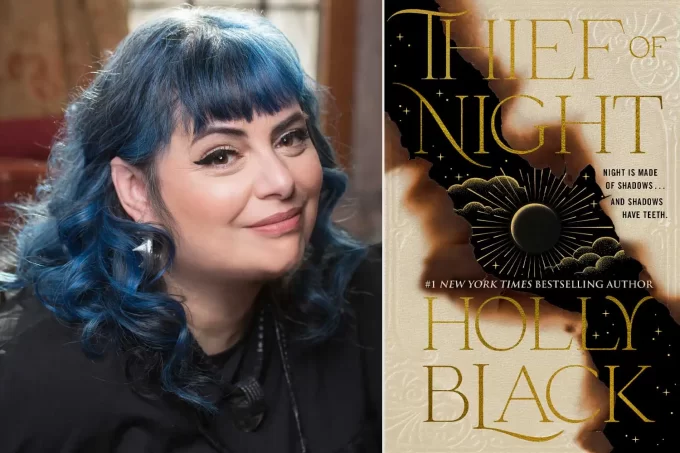
Whispers in the Shadows: Why Holly Black’s Sequel Is a Dark Invitation We Can’t Ignore
The night isn’t just dark—it’s ravenous, greedy, and it’s coming for you....
Chris Marks2 Mins read
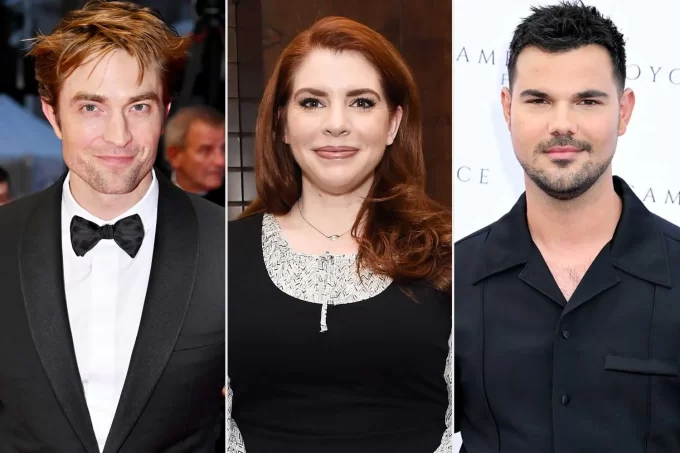
Why Stephenie Meyer’s Regret About Edward Changes Everything You Thought You Knew
The moment Stephenie Meyer admitted she wouldn’t pick Edward Cullen today, a...
Chris Marks2 Mins read
When Fear, Fury & Feathers Collide: Cinema, Superheroes, and a Confessional Album
Open with tension—the kind that threads through a scream, a reveal, and...
Chris Marks2 Mins read
When Vampires Plunge: BRZRKR’s Blood‑Soaked Tide Pulls You In
There’s a heartbeat beneath the brine that doesn’t belong—agueing, alien, demanding. You’re...
Chris Marks2 Mins read





Leave a comment