

Sustainable Hauntings: Three Modern Works That Are Rewriting Poetry Month
Poetry Month might be a time for celebration, but in the hands of three daring modern poets, it becomes an invitation to confront the unspoken, the eerie, and the environmentally charged. These works aren’t just poems—they’re a reckoning.
 Kirsten CollinsMay 7, 20253 Mins read119
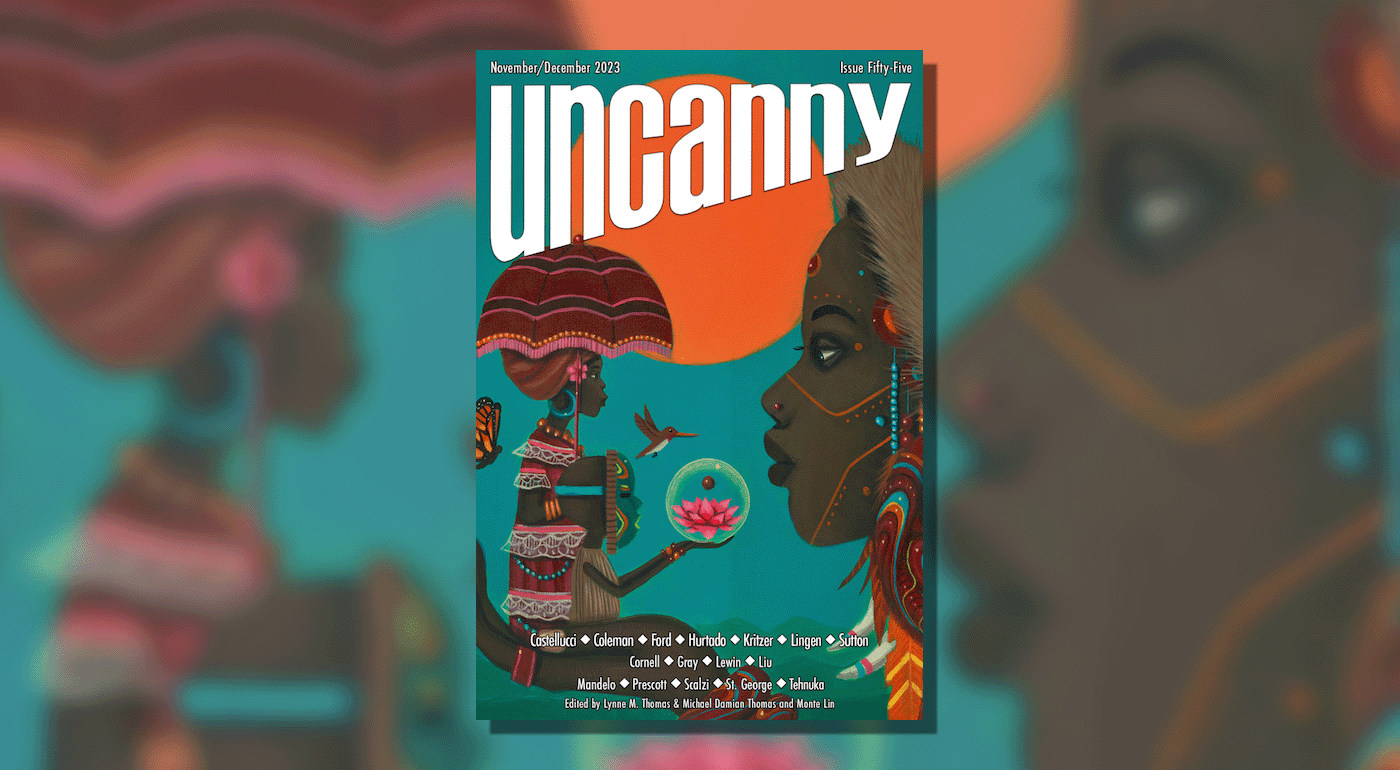
If there’s one thing that’s undeniable about poetry today, it’s that it’s no longer confined to stanzas about flowers and lovers. Poetry has evolved into something far more urgent, more complicated, and—dare we say—haunting. The familiar rhythm of verse now pulses with an undercurrent of reckoning. It’s not merely about expression; it’s about the way words can call ghosts to the surface. These modern works celebrate Poetry Month not as a mere tribute to art, but as an invitation to face what we’ve ignored for too long—an invitation to hear the voices of what haunts us, the things we’ve tried to bury.
The works of three modern poets stand out in this regard. Their poems don’t just reflect the world; they demand action, whether it’s on climate change, social justice, or our own complicity in what is crumbling around us. These poets build worlds that are both captivating and unsettling, offering a glimpse into the future, but not the kind we’d hope to inherit. This is poetry with purpose, poetry that isn’t just read—it’s felt, it’s experienced. These poets are unearthing the unspeakable. And they are doing it with unsettling grace.
A Whisper in the Dark
In Sustainable Hauntings, the poetic landscape is littered with echoes of an ecological apocalypse, where nature is no longer just a backdrop to human existence but a figure whose slow, deliberate destruction mirrors our own recklessness. It’s here, in this intersection of the eerie and the urgent, that poetry finds its truest power. One poet, in a striking collection, weaves together imagery of crumbling cities and withering trees, capturing the sense that the world we’ve known is dissolving—slowly, but inevitably.
As the poet writes, “The rivers aren’t just drying; they are erasing.” The line lingers, pulling you into a moment of discomfort, as if you’ve stumbled upon something far too personal to ignore. These poems haunt not just because they explore what is to come, but because they make us reckon with the responsibility of what we’ve already set in motion. The impact of these poems isn’t a distant future—it’s here, now, wrapped in every verse.
More Than a Poem: A Call to Action
While some might see these works as merely grim, their underlying call is anything but passive. It’s activism wrapped in lyrical form. As a poet once said, “Art without action is simply an echo of what we’ve failed to do.” And this philosophy pulses through the veins of the modern poet’s works. Every stanza becomes a stepping stone toward a larger understanding of our role in the global crisis unfolding at our feet. There’s a distinct urgency in these poems—an urgency that doesn’t just ask readers to reflect, but demands they act.
In the hands of poets who refuse to sugarcoat reality, we are forced to confront the consequences of inaction. The haunting isn’t just metaphorical—it’s existential. These poems pull us from our comfort zones and thrust us into a confrontation with the unsustainable trajectory we are on. Through stark imagery, piercing language, and relentless rhythm, these poets turn their art into a mirror reflecting not just the world we have, but the one we are on the verge of losing.
A New Kind of Legacy
Perhaps what makes these poems so striking is not only their haunting beauty but their undeniable relevance. These poets are not just writing for today—they are writing for a future that is becoming increasingly uncertain. But are we ready to face this future with the gravity it demands? What happens when art stops being a passive act of creation and starts becoming a force of reckoning?
The truth is, we are at a crossroads. The intersection of poetry and activism has never been so clearly defined. The poets of today understand that words hold power, but only when we are willing to engage with them fully. The poems that haunt us the most are not the ones that leave us wistful; they are the ones that leave us unsettled, questioning everything we thought we knew about our world and our place in it.
So, as we celebrate Poetry Month, we must ask ourselves: what kind of poetry do we want? One that simply adorns the walls of our libraries, or one that tears through our defenses and forces us to see the ghosts we’ve been too afraid to acknowledge?
As these poems linger in our minds, we are left with one unsettling thought: in this new poetic age, it is not the lines of verse that echo the loudest, but the silences between them—the spaces where action is required. The haunting continues. The question is, how will we respond?





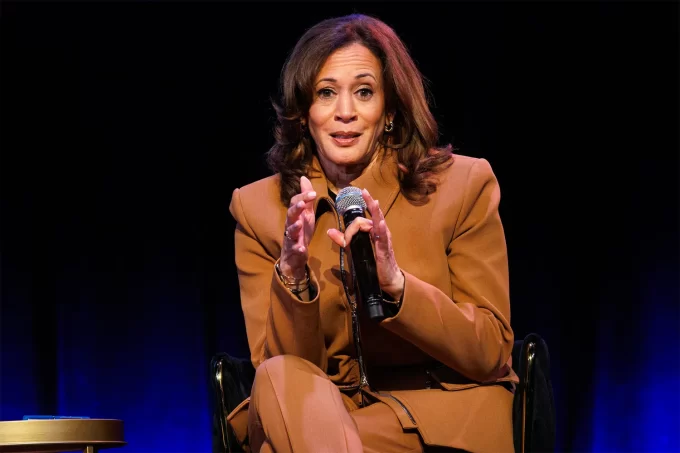
When “107 Days” Meets Outcry: Harris’s Book Tour Interrupted
The microphone crackled to life, and before Harris could finish her opening...
 Chris Marks1 Mins read
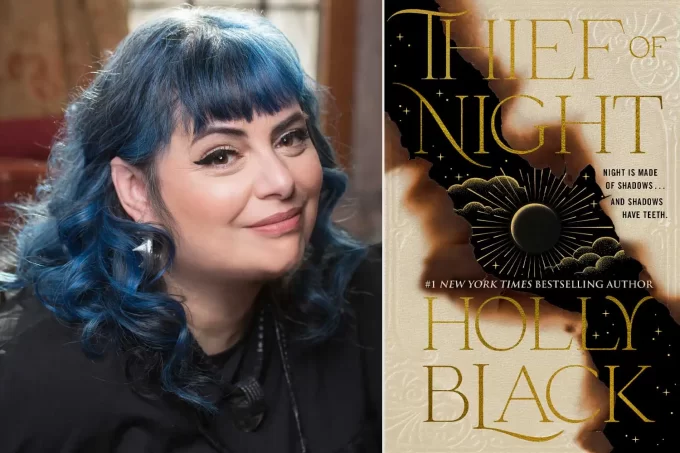
Whispers in the Shadows: Why Holly Black’s Sequel Is a Dark Invitation We Can’t Ignore
The night isn’t just dark—it’s ravenous, greedy, and it’s coming for you....
Chris Marks2 Mins read
Why Stephenie Meyer’s Regret About Edward Changes Everything You Thought You Knew
The moment Stephenie Meyer admitted she wouldn’t pick Edward Cullen today, a...
Chris Marks2 Mins read

When Fear, Fury & Feathers Collide: Cinema, Superheroes, and a Confessional Album
Open with tension—the kind that threads through a scream, a reveal, and...
Chris Marks2 Mins read




Leave a comment