

Tariffs and Time Travel: Trump’s Trade Policy and the Illusion of 19th-Century Glory
With a nostalgic nod to protectionism and industrial grandeur, Trump’s revived trade agenda resurrects 19th-century policy in a 21st-century world. The question isn't whether it will work—but who it's really for.
 Krista FreelandApril 2, 20251 Mins read127
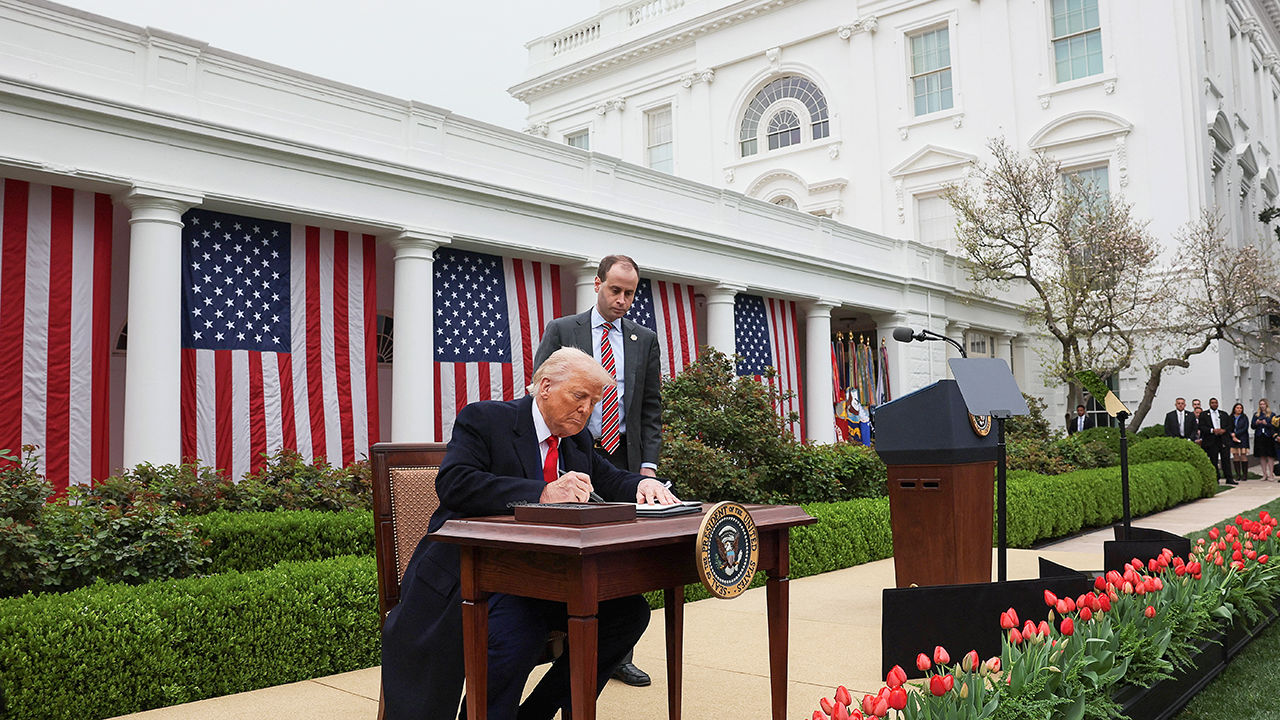
It begins like a reenactment—brass bands, steel mills, men in shirtsleeves talking about “real work” and “American grit.” But behind the optics of strength lies an economic ideology not just outdated, but time-warped. With Donald Trump’s new trade agenda, America isn’t just looking inward—it’s reaching backward.
Tariffs are the weapon of choice again. Blunt. Symbolic. Comforting in their simplicity. Trump’s return to 19th-century-style protectionism isn’t just policy—it’s theatre. And like most theatre, it reveals more about the audience than the actors.
A Myth in Red, White, and Blue
At the heart of Trump’s approach is the myth of American self-sufficiency—that we can manufacture everything we need, power our economy through sheer patriotism, and punish the world until it buys back in. It’s a seductive idea. But it ignores the architecture of modern trade, where global supply chains are less like borders and more like veins. To rupture them isn’t strength—it’s hemorrhage.
What’s more revealing is how the strategy romanticizes the Industrial Age without reconciling it with the Digital one. Coal, steel, autos—these are symbols. But semiconductors? Lithium? AI software? These don’t fit in campaign slogans. And yet, they’re the battlegrounds of modern power.
“Trump’s vision of trade is rooted in a world that doesn’t exist anymore,” said one former trade adviser. “It’s not about making America competitive—it’s about making it nostalgic.”
The Real Cost of Nostalgia
It’s easy to forget that tariffs are taxes. Consumers pay more. Small businesses bear the brunt. Allies bristle. Retaliation follows. But in Trump’s calculus, the short-term populist win is worth the long-term economic drag. Because this isn’t just about trade. It’s about narrative.
Returning to protectionist policies is framed as a reclamation of sovereignty. But in doing so, it risks isolating the very industries America wants to protect—tech, green energy, high-end manufacturing—from the raw materials and global partnerships they depend on.
It’s not the 1800s anymore. Steel is no longer king. And trade isn’t just about goods—it’s about data, services, alliances. The real superpowers of today aren’t building walls—they’re building networks.
So why take us back?
Because in the fog of disillusionment, nostalgia sells. Even if it costs more than we can afford.







How Much Will Trump’s Policies Really Cost Wall Street?
When Donald Trump first took office, his policies were sold as a...
 Kirsten Collins2 Mins read

Milken 2025: The Party of the Rich, Amid a World Falling Apart
The night was electric in a way that only a private, star-studded...
 Joseph Bennett3 Mins read

Buffett, Cook, and the Quiet War for America’s Soul
There was a moment, barely a second long, when Warren Buffett’s smile...
Joseph Bennett3 Mins read

The Deception Behind the Deal: How Bait-and-Switch Pricing Is Shaping Our Desires
It’s the perfect price—a promise of a deal that seems too good...
Joseph Bennett3 Mins read





Leave a comment