

Taylor Swift’s New Heights: Why Male Sports Fans Might Just Be Unsettled
Taylor Swift’s cheeky remark about reaching “new heights” isn’t just a playful jab—it taps into a simmering cultural tension where music royalty challenges the sanctity of male sports fandom. What does this say about power, pride, and who really owns the spotlight?
 Joseph BennettAugust 13, 20252 Mins read18
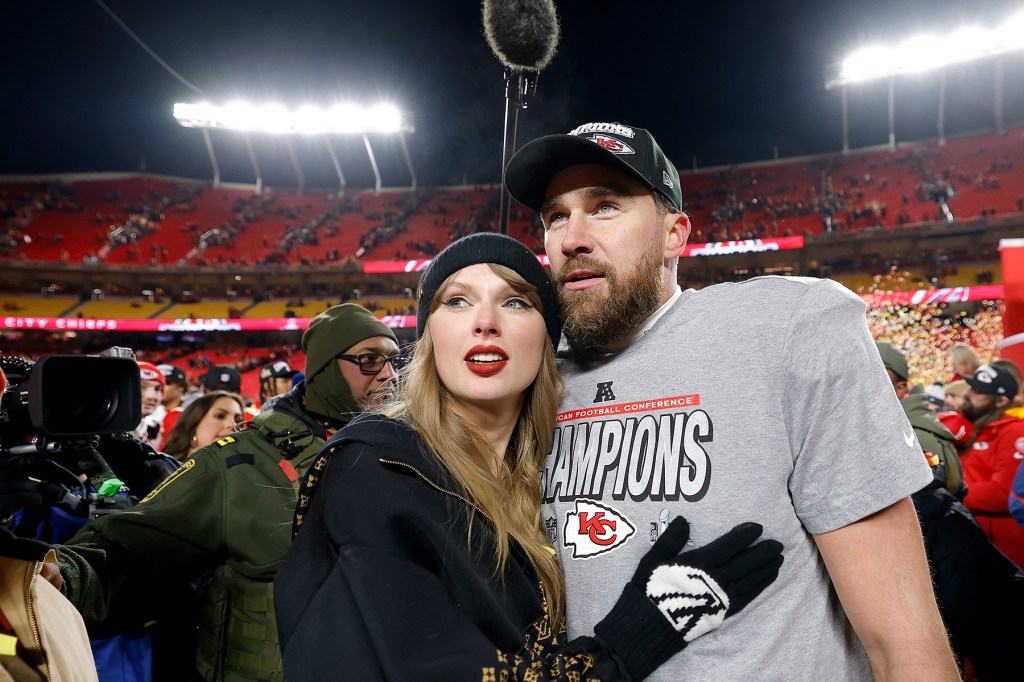
Taylor Swift just dropped a line that’s poised to ripple far beyond the music charts: a sly joke about being “on new heights” that, according to her, might ruffle the feathers of male sports fans. But what is it about this remark that feels less like playful banter and more like a cultural provocation? It’s almost as if Swift isn’t just talking about her soaring career, but rather poking at a quiet, combustible rivalry between two fandoms that define very different kinds of cultural loyalty.
This isn’t simply a celebrity wink; it’s an invitation to reconsider the invisible lines drawn between arenas and arenas—the stadium of sports versus the stadium of music. Why does a pop star’s success somehow threaten the pride of male sports enthusiasts? And what does that say about the broader struggle for dominance in public imagination?
When the Stage Meets the Stadium
The tension Swift hints at feels as old as time—music and sports, art and athleticism, emotion and brute force. She knows her power extends beyond albums and tours, cutting deep into cultural identity. “It’s amusing,” Swift quips, but the unease among some male fans is unmistakable. Could it be that their world, traditionally a fortress of unchallenged pride, senses a subtle siege?
Cultural critics have long debated how gender influences the way fandoms operate. Music fans often celebrate vulnerability and narrative, while sports fans are steeped in competition and ritual. Swift’s joke feels like a spotlight on these fault lines, forcing us to ask: What happens when the queen of pop steps onto a field ruled by testosterone and tradition?
Power Plays Behind the Jokes
Swift’s humor is sharp because it exposes a paradox. Her success is enormous, undeniable—but she frames it as a gentle poke, a small act of rebellion disguised as lightheartedness. “She’s not just raising her voice,” a cultural observer noted recently, “she’s shifting the ground beneath a culture that thought it was untouchable.”
Is this more than a joke? Could it be an act of claiming space where female voices have historically been sidelined, especially in arenas celebrated for masculine energy? The question lingers, echoing in the collective conversation about gender, power, and cultural gatekeeping.
The punchline, after all, is not just that Taylor Swift is on new heights—but that her ascent unsettles something deeply entrenched. And in that unease, we find a story far richer than chart-topping singles or game-day scores. It’s a story about who we cheer for, who we crown, and who we allow to own the spotlight.
So, as the music and sports worlds collide in whispers and jabs, we might ask: In a culture that thrives on competition, can the game ever be truly fair—or is the playing field itself being rewritten, note by note, play by play?






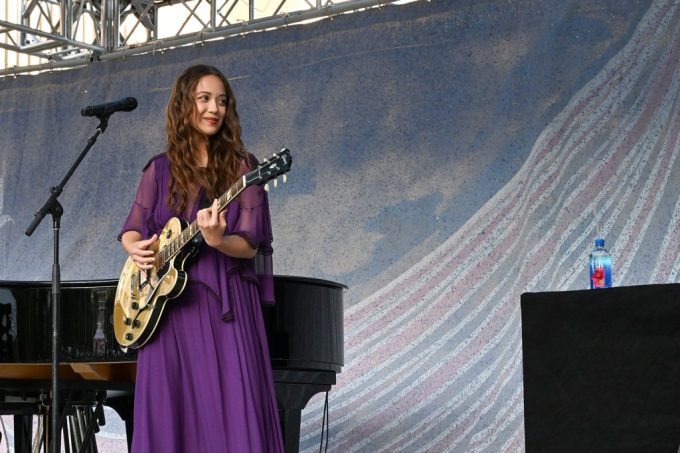
Laufey’s Opening Night Show at LA’s Crypto.com Arena: Best Moments
Laufey opened a two-night stand at Crypto.com Arena in downtown Los Angeles...
 Chris Marks6 Mins read
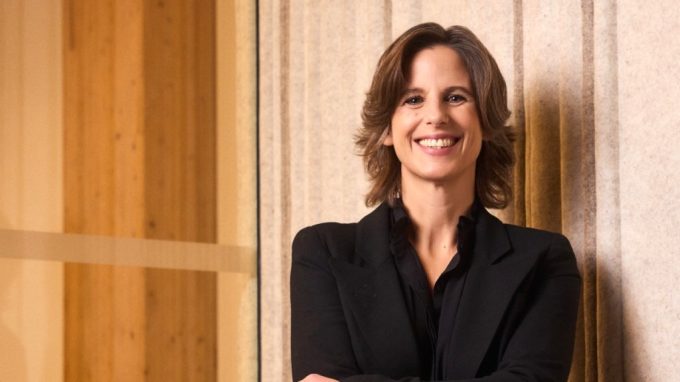
Julie Adam Is Billboard Canada Women in Music’s 2025 Exec of the Year
Julie Adam is having a milestone year — and it’s getting even...
Chris Marks4 Mins read
Spinal Tap Tribute Album with Foo Fighters,Tool for Teen Cancer America
Spinal Tap may be a fake band, but its music is very...
Chris Marks2 Mins read
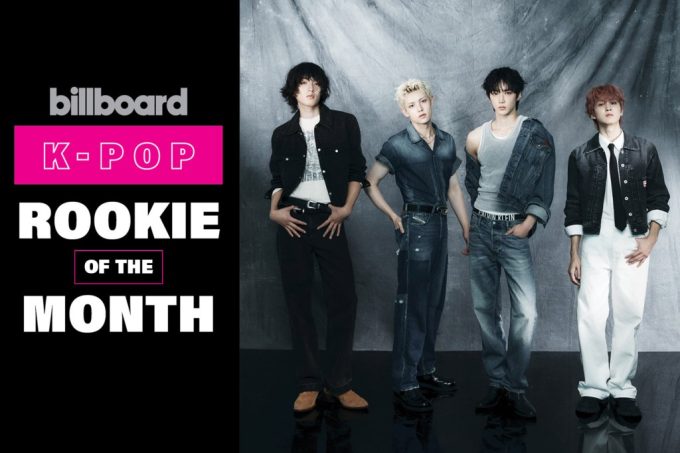
AxMxP Is K-Pop Rookie of the Month for September: Exclusive Photos
Ha Yoo Joon Image Credit: Chin Soyeon You debuted on Sept. 10....
Chris Marks2 Mins read





Leave a comment