

Behind the Orange Curtain: Taylor Swift’s The Life of a Showgirl Unfolds a New Era
Taylor Swift has announced her 12th studio album, The Life of a Showgirl, teeming with thematic clues—from its orange-glitter aesthetic to a surprise Sabrina Carpenter duet—that hint at spectacle, ownership, and transformation. Yet the full story remains tantalizingly out of reach.
 Krista FreelandAugust 12, 20251 Mins read24
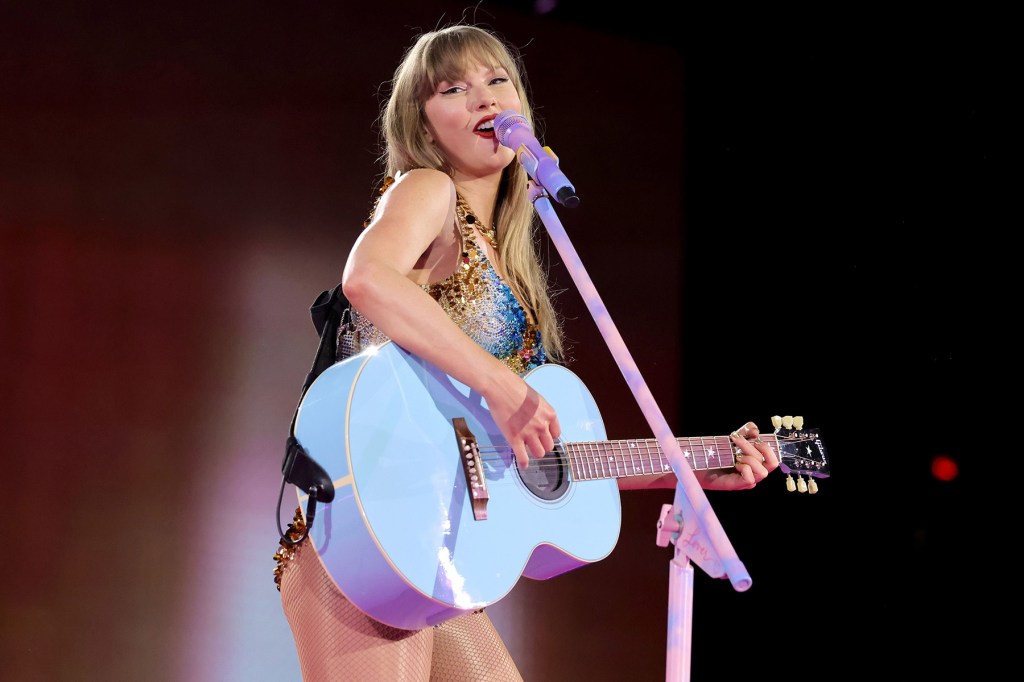
A glittery orange briefcase opens in dim silence at exactly 12:12 a.m.—and the world leans in. Taylor Swift’s unveiling of her 12th studio album, The Life of a Showgirl, was less announcement and more event: a spectacle staged on New Heights, taxonomy of color, timing, and myth.
This isn’t just about a new collection of songs—it’s about how Swift crafts eras, teases reveal, and rewrites control.
Color as Code, Design as Revelation
From the Empire State Building bathed in orange light to the mint-green briefcase and orange lettering, every visual moment felt coded: orange for reinvention, gilded showbiz shine, and perhaps the unfinished record from 2016 fans whisper about. As one observer noted, orange symbolizes energy, adventure, even rebirth—and here it may signal Swift reclaiming her narrative after owning her masters.
The blurred artwork, shimmering vinyl, cassettes with posters—they are relics with their mystery intact, seductive and incomplete.
Music Meets Myth, Collaboration Revives
Notably, the album includes a full-fledged duet with Sabrina Carpenter—the first on a Swift album—igniting speculation about mentorship, legacy, and youth’s voice melding with mythology. Production whispers of Max Martin and Shellback—the architects of her 80s-pop golden age—reinforce the idea: this may be both a reinvention and an homage.
And of course, the announcement wasn’t just cultural—it was Cardinal. Delivered via Travis Kelce’s podcast, it threads pop stardom, NFL fandom, and personal history into one perfectly timed act.
Every Swift era arrives shrouded in tease, but The Life of a Showgirl feels especially alive in its restraint. No tracklist, no release date—just rumble of color, collaborators, and nostalgia turned kaleidoscopic.
It leaves us wondering: is this album a spotlighted confession, a new mythology, or something else entirely? The show hasn’t started yet, but the stage is perfectly, maddeningly lit.


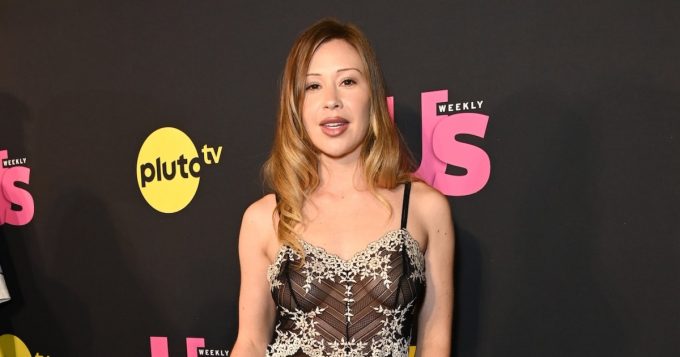




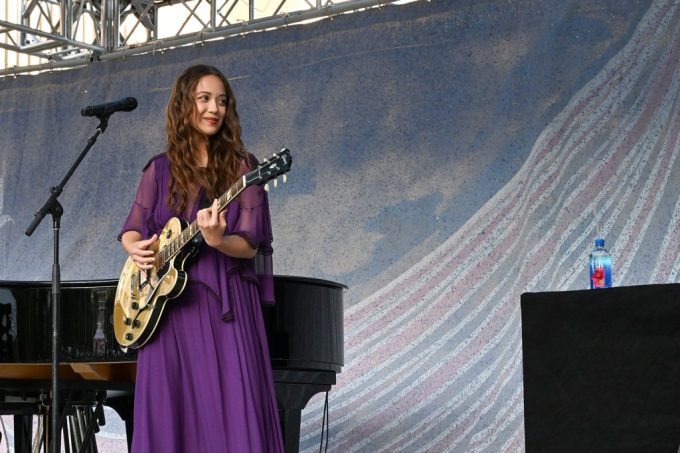
Laufey’s Opening Night Show at LA’s Crypto.com Arena: Best Moments
Laufey opened a two-night stand at Crypto.com Arena in downtown Los Angeles...
 Chris Marks6 Mins read
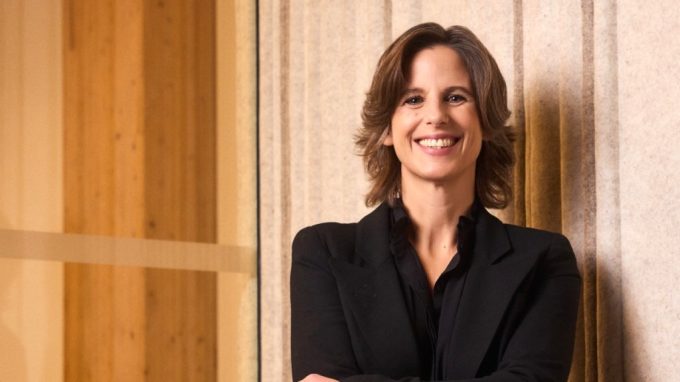
Julie Adam Is Billboard Canada Women in Music’s 2025 Exec of the Year
Julie Adam is having a milestone year — and it’s getting even...
Chris Marks4 Mins read
Spinal Tap Tribute Album with Foo Fighters,Tool for Teen Cancer America
Spinal Tap may be a fake band, but its music is very...
Chris Marks2 Mins read
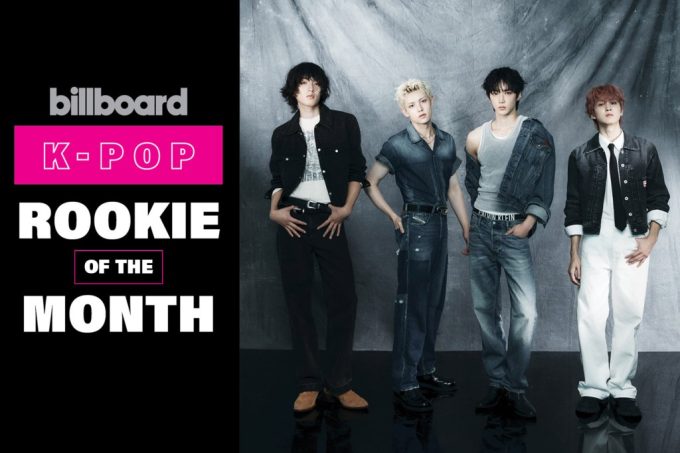
AxMxP Is K-Pop Rookie of the Month for September: Exclusive Photos
Ha Yoo Joon Image Credit: Chin Soyeon You debuted on Sept. 10....
Chris Marks2 Mins read





Leave a comment