

The Swift Shuffle: When Pop’s Biggest Reveal Is a Game of Shadows
Taylor Swift’s latest album tease isn’t just about music—it’s a cryptic dance choreographed with NFL star Travis Kelce, blurring lines between celebrity, spectacle, and fandom in ways that make us wonder: what’s really behind the curtain?
 Chris MarksAugust 11, 20252 Mins read23
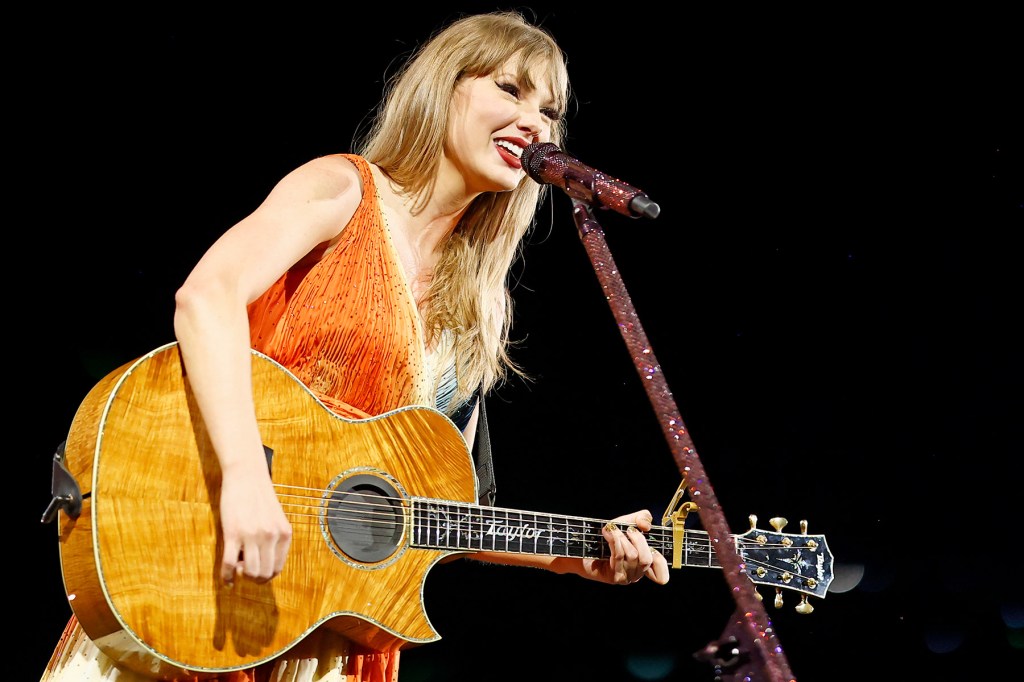
The stadium lights glare brighter than any spotlight, but this isn’t just a game. It’s a carefully scripted performance where Taylor Swift’s new album reveal is staged not on a concert stage but amidst the roar of NFL fans, with Kansas City’s own Travis Kelce playing an unexpected supporting role. The collision of pop superstardom and gridiron glory feels less like coincidence and more like a cryptic message: in a world saturated with celebrity, how do icons capture our fleeting attention?
This isn’t merely a marketing ploy; it’s a cultural riddle. When Swift’s album whispers through football stadiums instead of music venues, it invites us to rethink how narratives are spun in the digital age. Who owns the spotlight when worlds so seemingly apart converge? And is this the future of fan engagement, or a hollow spectacle designed to distract us from something else entirely?
The New Alchemy of Celebrity
Mixing pop music with pro sports isn’t new, but the intimacy of Swift and Kelce’s public association gives the spectacle an intimacy that borders on obsession. It’s a reminder that in today’s media ecosystem, personal lives are the currency as much as art. “They’re not just selling an album; they’re selling a story we want to live inside,” a cultural analyst once observed. The audience no longer passively consumes; they crave connection, the thrill of being inside the circle where music meets moment and persona becomes myth.
This synergy blurs lines—between professional ambition and personal branding, between the genuine and the performed. It begs the question: are we witnessing a genuine collaboration or a high-stakes chess game where every move is choreographed for maximum viral impact?
Echoes in the Crowd
Behind the cheers and social media storms, there’s a tension: can authenticity survive this fusion of spectacle and commerce? Fans, once loyal to music alone, find themselves tracking NFL games as fervently as album drops. The boundary between fan and voyeur dissolves. And in that blur, Taylor Swift’s reveal becomes less about the music and more about the cultural moment it inhabits—a moment where the spectacle often outshines the art.
One can’t help but wonder if this is the shape of things to come. When football fields become stages and athletes become storytellers, what happens to the purity of the music? Or has that purity already evolved into something far more intricate, shadowed, and infinitely more intriguing?
This dance between pop and sport, between the seen and the unseen, leaves us suspended—curious, captivated, and perhaps a little unsettled. Because in the end, the most tantalizing question might be: who’s really calling the plays in this grand theater of celebrity?


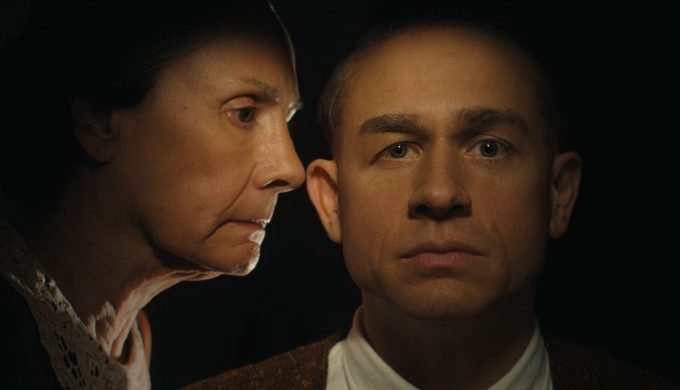




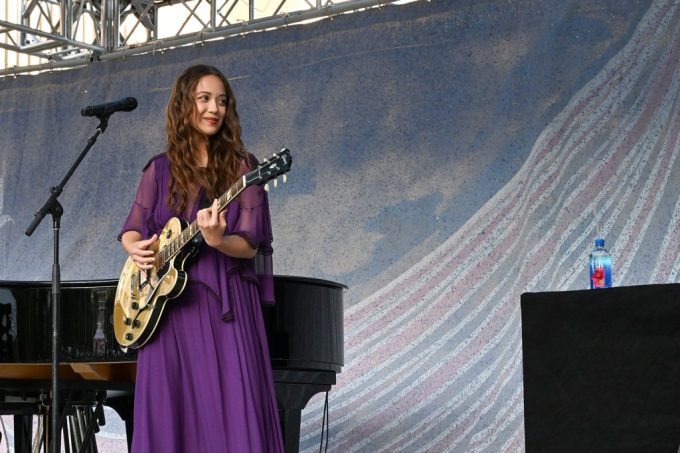
Laufey’s Opening Night Show at LA’s Crypto.com Arena: Best Moments
Laufey opened a two-night stand at Crypto.com Arena in downtown Los Angeles...
Chris Marks6 Mins read

Julie Adam Is Billboard Canada Women in Music’s 2025 Exec of the Year
Julie Adam is having a milestone year — and it’s getting even...
Chris Marks4 Mins read
Spinal Tap Tribute Album with Foo Fighters,Tool for Teen Cancer America
Spinal Tap may be a fake band, but its music is very...
Chris Marks2 Mins read
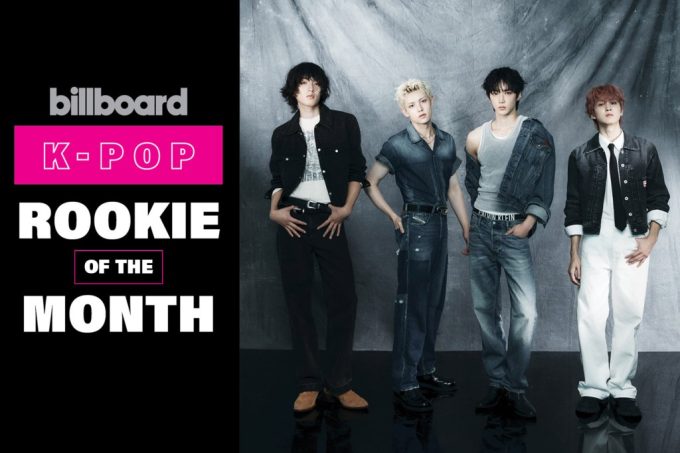
AxMxP Is K-Pop Rookie of the Month for September: Exclusive Photos
Ha Yoo Joon Image Credit: Chin Soyeon You debuted on Sept. 10....
Chris Marks2 Mins read





Leave a comment