

Terrence Howard Won’t Sing for Marvin Gaye—and Maybe That’s the Real Performance
Terrence Howard’s refusal to portray Marvin Gaye—backed by a chilling declaration involving his own lips—might just be the most revealing role he never played.
 Krista FreelandApril 30, 20252 Mins read21
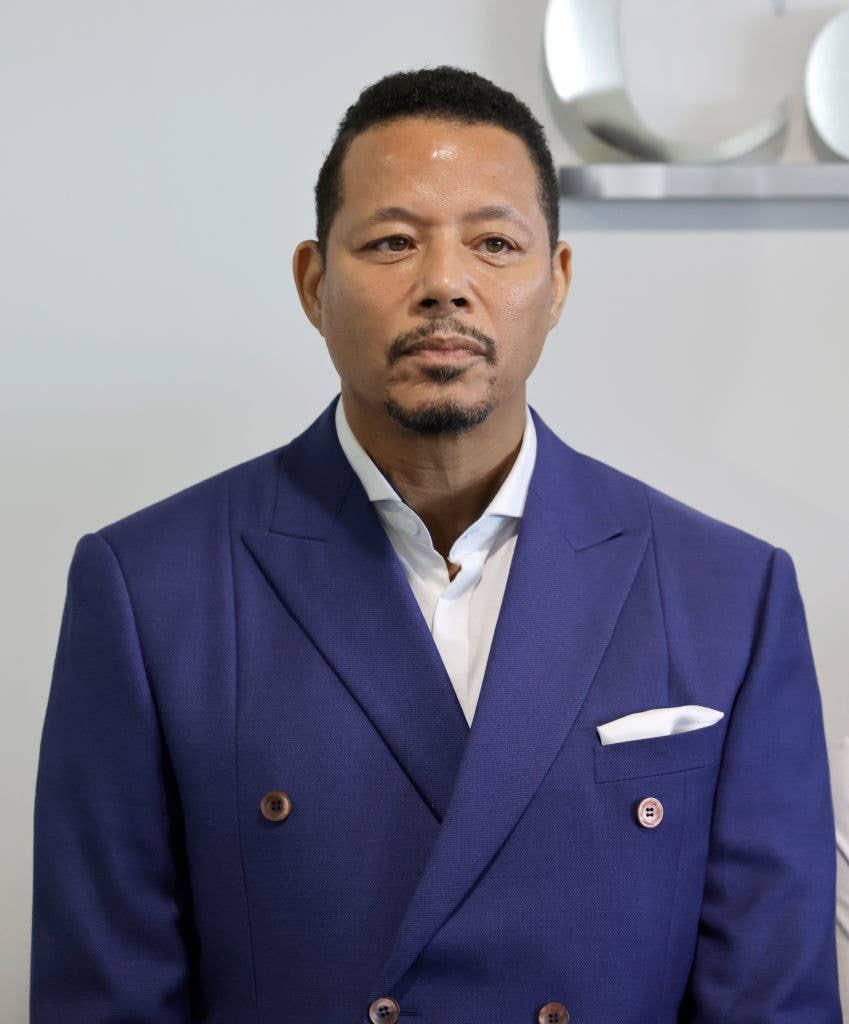
He said he’d cut his lips off before singing Marvin Gaye’s songs on screen—and suddenly, the entire room tilted sideways. Because when a man declines a role with such visceral poetry, it’s no longer about a casting decision. It’s a manifesto. Or maybe a confession.
Terrence Howard, the actor who’s made a career out of delivering characters that ripple between genius and rupture, has rejected the one role that should have been his grand crescendo. Marvin Gaye: the silken-voiced martyr of soul, the enigma of vulnerability wrapped in velvet. Howard, with his Shakespearean cadence and near-mystical intensity, was once in quiet talks to portray him in a biopic. Now, he recoils from the offer like it’s a curse. Or worse—a seduction he cannot survive.
A Refusal That Echoes
What’s so dangerous about becoming Marvin Gaye? Is it the weight of the falsetto, the mythologized grief, or the way Gaye died—at the hand of his own father, in a moment too operatic for even Hollywood to believe? “I would cut my lips off before I would sing Marvin Gaye’s songs for a movie,” Howard told Showline. But that’s not just resistance. That’s ritual. That’s ancient. That’s personal.
Some actors disappear into roles. Howard disappears into realms. And maybe Marvin’s world—the paranoia, the prayer, the peril—felt too much like home. Or perhaps, it was never really about voice. Perhaps Howard understood that to play Marvin is to resurrect him. And who among us could stand to be haunted by the man and the melody?
When Genius Recognizes a Mirror
There is a quiet rage behind Howard’s public image—a controlled storm of intellect, contradiction, and cosmic theory. He’s long claimed to have “proved gravity is wrong” and speaks in quantum metaphors. To most, it sounds unhinged. To others, it sounds like freedom dressed in madness. It’s precisely why Marvin would have fit him like silk. Too well, maybe.
By turning down the role, Howard may be refusing a myth he already lives. That refusal becomes its own kind of performance art. In the act of saying no—of dramatizing that no—he’s made a bigger statement than any screenplay could write. One wonders if Gaye himself would’ve nodded, recognizing the weight of being turned into someone else’s interpretation.
And so Howard walks away, lips intact, soul unread. He chooses silence over simulation. But whose voice are we really missing now?







When Mercy Meets Tragedy: The Widow Who Forgave Her Husband’s Killer
The air thickens when forgiveness enters a room meant for grief. Imagine...
 Chris Marks1 Mins read
When Fear Became a Lifeline: Pete Davidson’s Reckoning in Rehab
There’s a silence that follows a mother’s voice when she confesses her...
 Joseph Bennett1 Mins read
Pete Davidson’s mom told him in rehab worst fear was learning he died
Pete Davidson is opening up about the heartbreaking moment he had with...
Chris Marks2 Mins read

Katie Couric’s Unexpected Spin on Sydney Sweeney’s American Eagle Ad: What’s Really Being Said?
Katie Couric stepping into a scene dominated by Gen Z glamour feels...
Krista Freeland2 Mins read




Leave a comment