

Disney and Universal’s Bold Move: Suing AI Over Copyrighted Characters
In an unprecedented legal maneuver, Disney and Universal have filed a lawsuit against AI company Midjourney, accusing it of unauthorized use of their iconic characters. This move raises critical questions about the future of intellectual property in the age of artificial intelligence.
 Joseph BennettJune 9, 20251 Mins read27
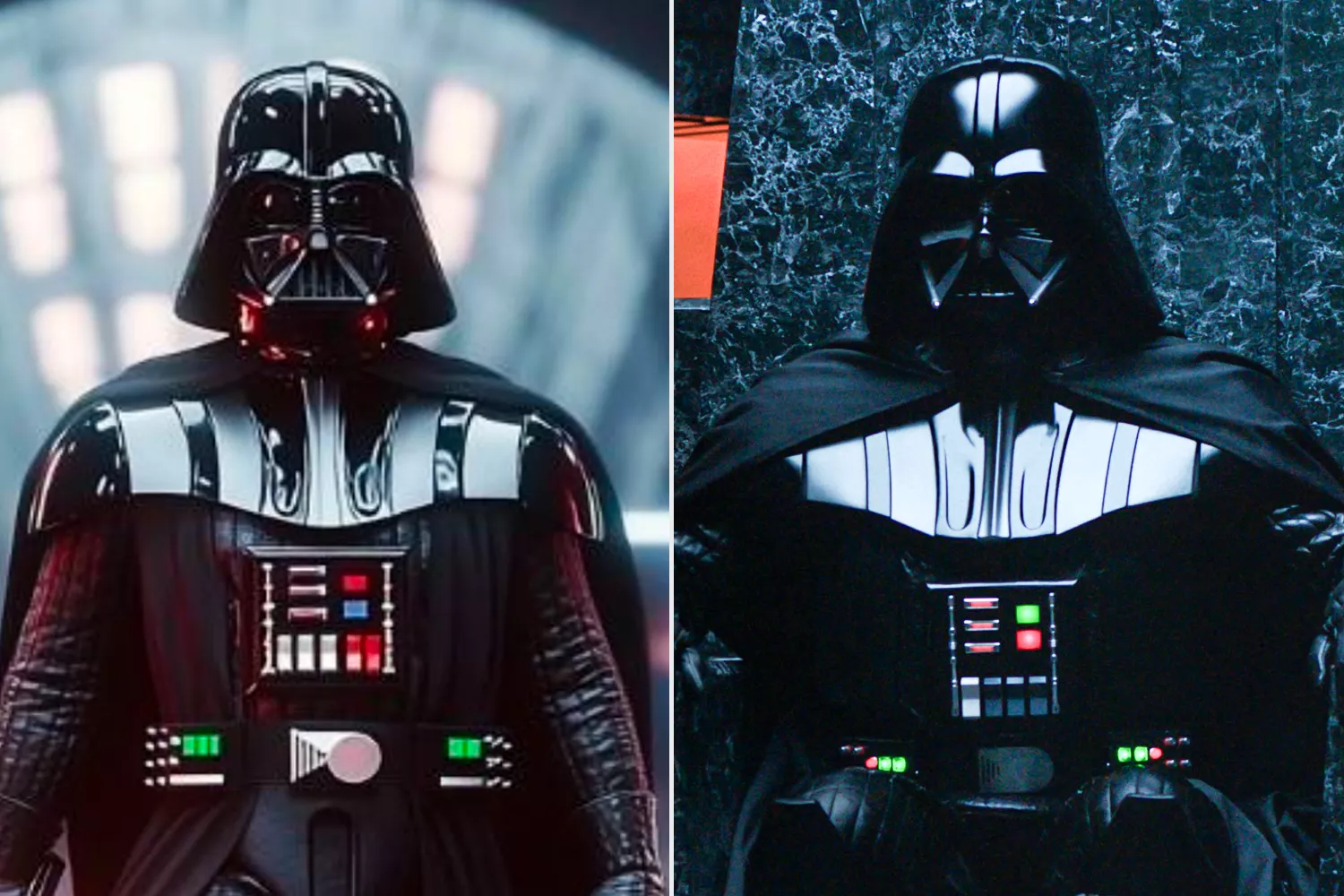
In a move that has sent ripples through both the entertainment and tech industries, Disney and Universal have filed a lawsuit against AI company Midjourney. The lawsuit, lodged in the U.S. District Court for the Central District of California, accuses Midjourney of using their copyrighted characters—such as Spider-Man, Darth Vader, Elsa from “Frozen,” Homer Simpson, and the Minions—without permission to train its AI models.
The Heart of the Dispute
At the core of this legal battle is the question of whether AI companies can use copyrighted material to train their models without infringing on intellectual property rights. Disney and Universal argue that Midjourney’s AI-generated images are not transformative but are instead direct reproductions of their characters, thus violating copyright laws.
The AI Perspective
On the other hand, AI companies like Midjourney contend that their use of copyrighted material falls under the “fair use” doctrine, which allows limited use of copyrighted works without permission for purposes such as criticism, comment, news reporting, teaching, scholarship, or research. They argue that their AI-generated images are new creations and not mere copies of existing works.
Legal Implications
This lawsuit could set a significant precedent for how copyright laws apply to AI-generated content. If the court rules in favor of Disney and Universal, it may lead to stricter regulations on how AI companies can use copyrighted material, potentially requiring them to obtain licenses or permissions before using such content.
Industry Reactions
The entertainment industry has largely supported Disney and Universal’s stance, viewing it as a necessary step to protect creative works from unauthorized use. Conversely, the tech industry expresses concern that such a ruling could stifle innovation and the development of AI technologies.
The Bigger Picture
This lawsuit highlights the growing tension between the rapid advancement of AI technologies and the established frameworks of intellectual property law. As AI continues to evolve, it raises fundamental questions about authorship, creativity, and ownership in the digital age.
As this legal battle unfolds, it will undoubtedly influence the future landscape of both the entertainment and tech industries. The outcome could redefine the boundaries of copyright law in the age of artificial intelligence.




Pianist Omar Harfouch Brings Celebrated Figures Together for a Night of Cultural Exchange – Hollywood Life
Image Credit: Omar Harfouch On February 20, 2026, pianist and cultural figure...
 Kirsten Collins2 Mins read
Who Is Ivana Lisette Ortiz? About the Rihanna Home Shooting Suspect – Hollywood Life
Image Credit: WWD via Getty Images The suspect in the March 8,...
Kirsten Collins1 Mins read
How Much Money Does She Have Now? – Hollywood Life
Image Credit: WWD via Getty Images Rihanna may be known as one...
Kirsten Collins2 Mins read
Stars Who Slammed ‘Love Story: JFK Jr. & Carolyn Bessette’: Statements – Hollywood Life
Image Credit: Getty Images FX’s Love Story: John F. Kennedy Jr. and...
Kirsten Collins2 Mins read





Leave a comment