

When Vampires Asked for the Unthinkable, MGK Said No—and Changed Everything
A bold fallout from a vampire audition. MGK turned down Sinners not for lack of ambition, but because some words are too heavy to utter.
 Joseph BennettAugust 12, 20251 Mins read11
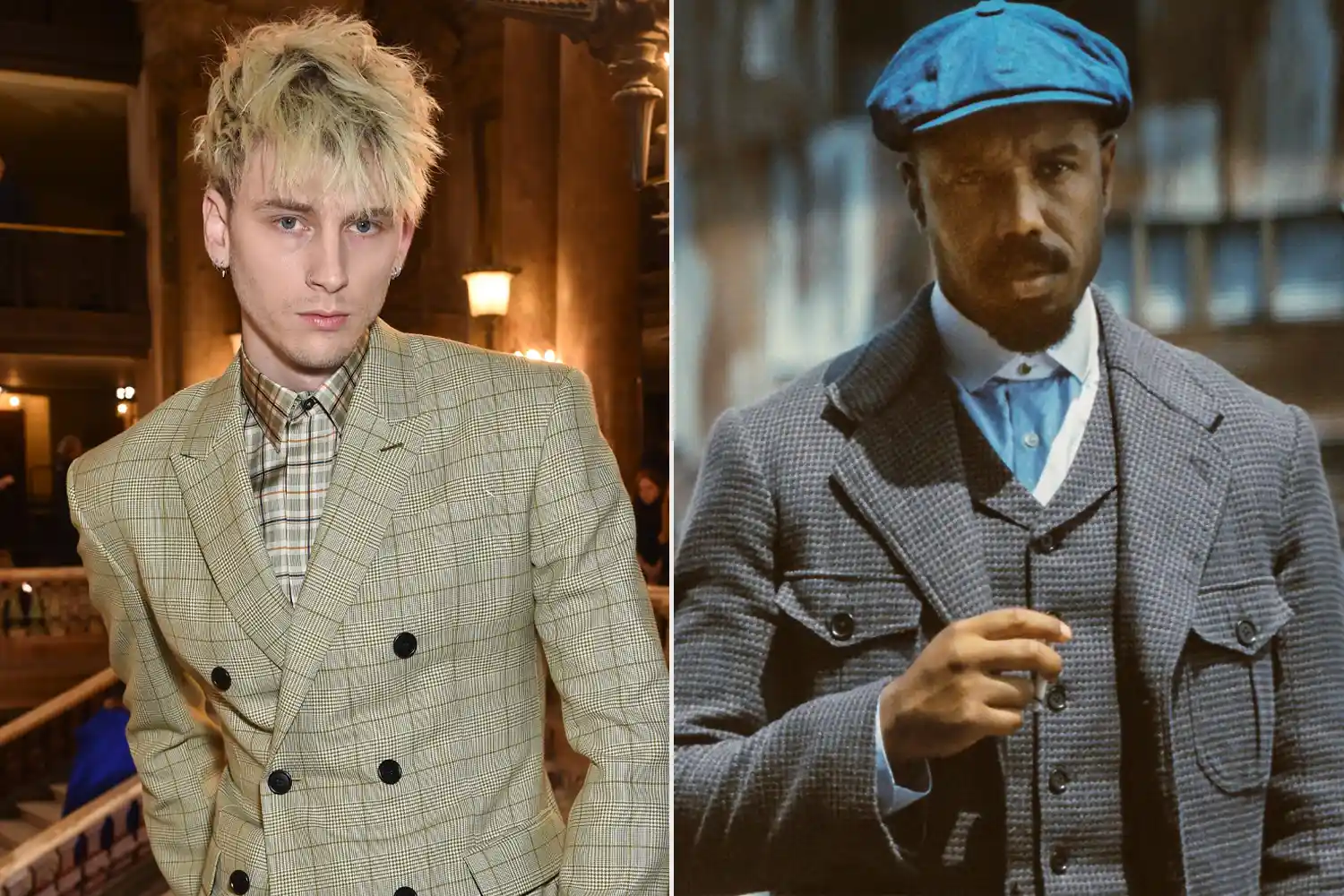
A single refusal can echo through the chambers of cinema—MGK didn’t just walk away from a vampire role; he slammed the door in the face of history.
He was supposed to be in Sinners, Ryan Coogler’s nocturnal fever dream, slated to become Bert—the cursed soul turned vampire who would “eat the family up.” But when the script demanded one word—so charged it crackled with centuries of pain—he said, “I just wouldn’t do it.” And what is fame if not the haunted body memory of all the roles one did not play?
Keep the Silence Alive
It isn’t just a refusal—it’s a statement. A vampire story steeped in Prohibition-blues mythology set in 1932 Mississippi, Sinners offered MGK a chance to sink his teeth into a dark myth. Yet he refused to rise if it meant spitting poison. He didn’t say “no”—he simply wouldn’t say that word. In that span of silence, he made the loudest noise.
Even his cohosts recognized the tremor. A fist bump, a quip: “Pretty woke there.” And beneath the humor sits something sharper—an actor unwilling to commodify language that scars. Yet he craves the spotlight, cheekily urging: “I’d like to be recruited into a movie while I still look young.” The line hangs—how much does Hollywood value looks compared to backbone?
What If He’d Gone In?
Would audiences remember the performance—or only the word he didn’t say? Could MGK have been the vamp who surfaces in whispers? Instead, Peter Dreimanis claimed Bert, and the world never learned how MGK might’ve dipped the screen in fanged swagger. Sinners went on to shatter box office norms, an original horror film crowned with an A CinemaScore, grossing north of $365 million, streaming widely, and yet absent one intriguing candidate who opted for principle over part.
So, what are we left with? A story that loops—vampires, desire, refusal, the word unspoken. And in that refusal lives a question: in art, is it the language we use, or the ones we won’t, that define us?






Where Is Lawrence Jones on ‘Fox & Friends’? Health Update Amid Hiatus – Hollywood Life
Image Credit: Getty Images Fans of Lawrence Jones, a Fox & Friends...
 Kirsten Collins1 Mins read

Who Is Lexi Minetree? 5 Things to Know About the ‘Elle’ Series Actress – Hollywood Life
View gallery Image Credit: Getty Images for Hello Sunshine Lexi Minetree plays...
Kirsten Collins2 Mins read

Release Date, Cast & Updates on ‘Elle’ – Hollywood Life
View gallery Image Credit: Courtesy of Prime Video What, like producing a...
Kirsten Collins2 Mins read
Updates on Academy Award Nominations – Hollywood Life
Image Credit: Warner Bros. Pictures Awards season kicked off earlier this month,...
Kirsten Collins2 Mins read




Leave a comment