

Hulu’s Horror Vault: Where Fear Meets Cultural Bite
Hulu’s horror library isn’t just about jump-scares—it’s a darker, smarter reflection of our obsessions and anxieties. But what are these scares whispering about the world we live in?
 Kirsten CollinsJuly 21, 20251 Mins read26
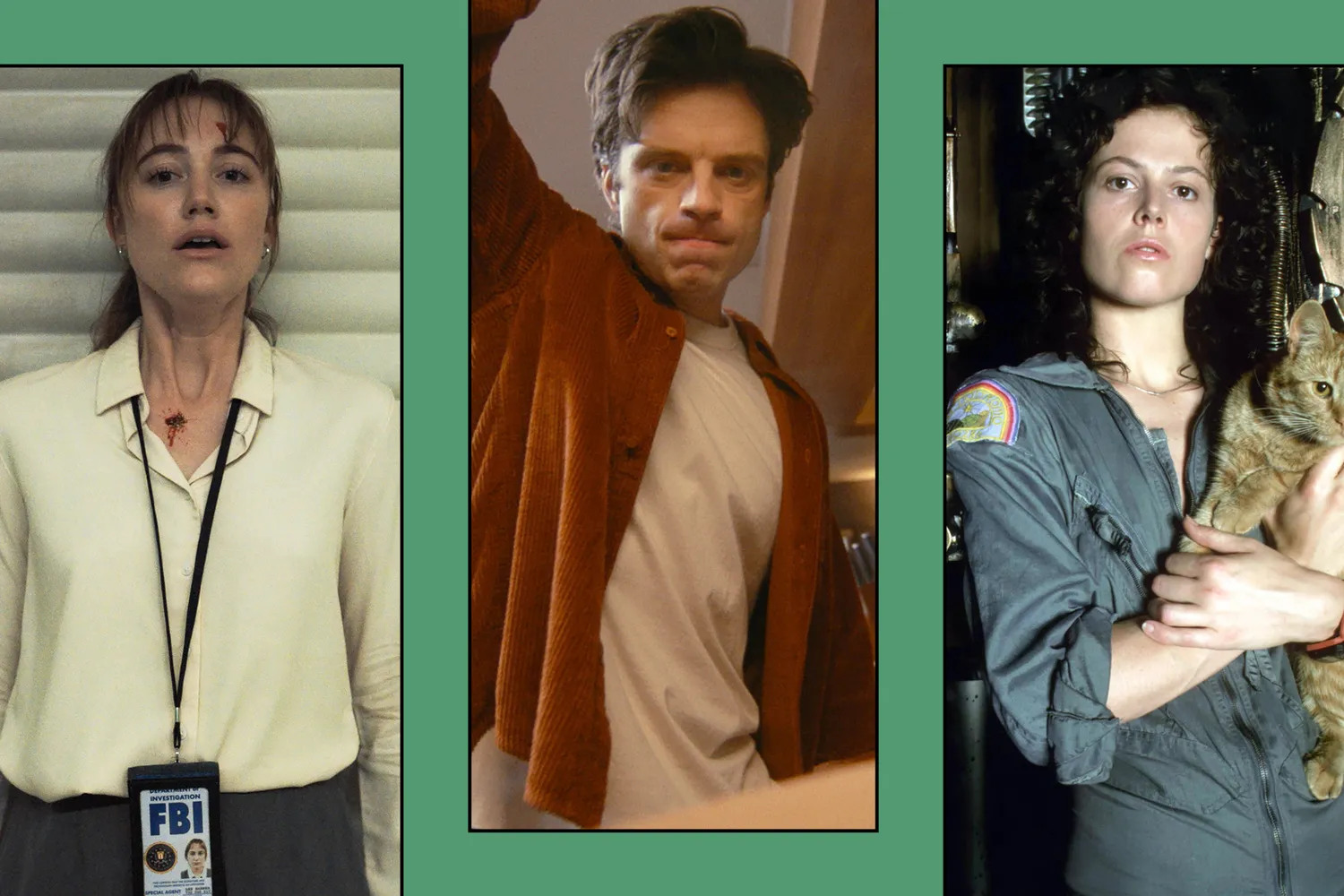
The lights fade as Late Night With the Devil begins—its retro grain and sinister host flicker like a dream someone had but didn’t fully remember. It’s not just the scariest film on Hulu—it’s a portal into the ways horror reboots tradition to comment on faith, media, and our thirst for spectacle.
Across Hulu’s curated shelves, horrors like Prey, Little Monsters, In a Violent Nature, and Appendage don’t just terrify—they question. They test the boundaries of genre, of trust, of the unconscious. These aren’t throwaway frights; they’re cinematic puzzles screaming to be solved—but do we have the patience to look past the chills?
When Monsters Mirror Us
A young Comanche woman fending off an alien predator in Prey isn’t merely surviving—it’s reclaiming identity under impossibly high stakes. A demonic vintage talk show in Late Night With the Devil critiques our obsession with viral fame and ratings. In Little Monsters, a kindergarten teacher and kids face zombies, only to reveal something darker: innocence under threat. The monsters are real, but so are the reflections they cast.
One critic remarked on In a Violent Nature that it “makes the slasher film contemplative,” following the killer through nature’s expanse—turning predator into poet. The killer’s motives don’t justify actions—they unmask them. And we ask: which is more terrifying—the violence or the silence before it?
Fear, But Thought First
Hulu’s horror isn’t a well of noise—it’s an unsettling calm. Appendage roots fear in the mental body; Clock turns motherhood into a psychological labyrinth; Matriarch explores generational trauma through horror’s lens. These films demand attention—Not just screams, but scars. The terror stays with you—not because it shocks, but because it speaks.
As audiences scroll through thumbnail tombstones, perhaps the real question isn’t what we’re watching—it’s why. Are we content to be startled, or are we ready to be unsettled?



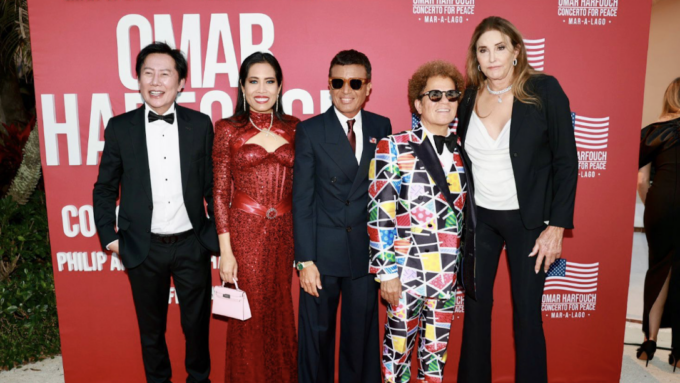
Pianist Omar Harfouch Brings Celebrated Figures Together for a Night of Cultural Exchange – Hollywood Life
Image Credit: Omar Harfouch On February 20, 2026, pianist and cultural figure...
Kirsten Collins2 Mins read
Who Is Ivana Lisette Ortiz? About the Rihanna Home Shooting Suspect – Hollywood Life
Image Credit: WWD via Getty Images The suspect in the March 8,...
Kirsten Collins1 Mins read
How Much Money Does She Have Now? – Hollywood Life
Image Credit: WWD via Getty Images Rihanna may be known as one...
Kirsten Collins2 Mins read
Stars Who Slammed ‘Love Story: JFK Jr. & Carolyn Bessette’: Statements – Hollywood Life
Image Credit: Getty Images FX’s Love Story: John F. Kennedy Jr. and...
Kirsten Collins2 Mins read





Leave a comment