

PG-13: The Artful Middle Ground That Netflix Can’t Stop Serving
PG-13 movies on Netflix are quietly shaping a new cinematic sweet spot—balancing innocence with edge, broad appeal with subtle sophistication. But why are we so drawn to this murky middle ground?
 Chris MarksAugust 11, 20252 Mins read11
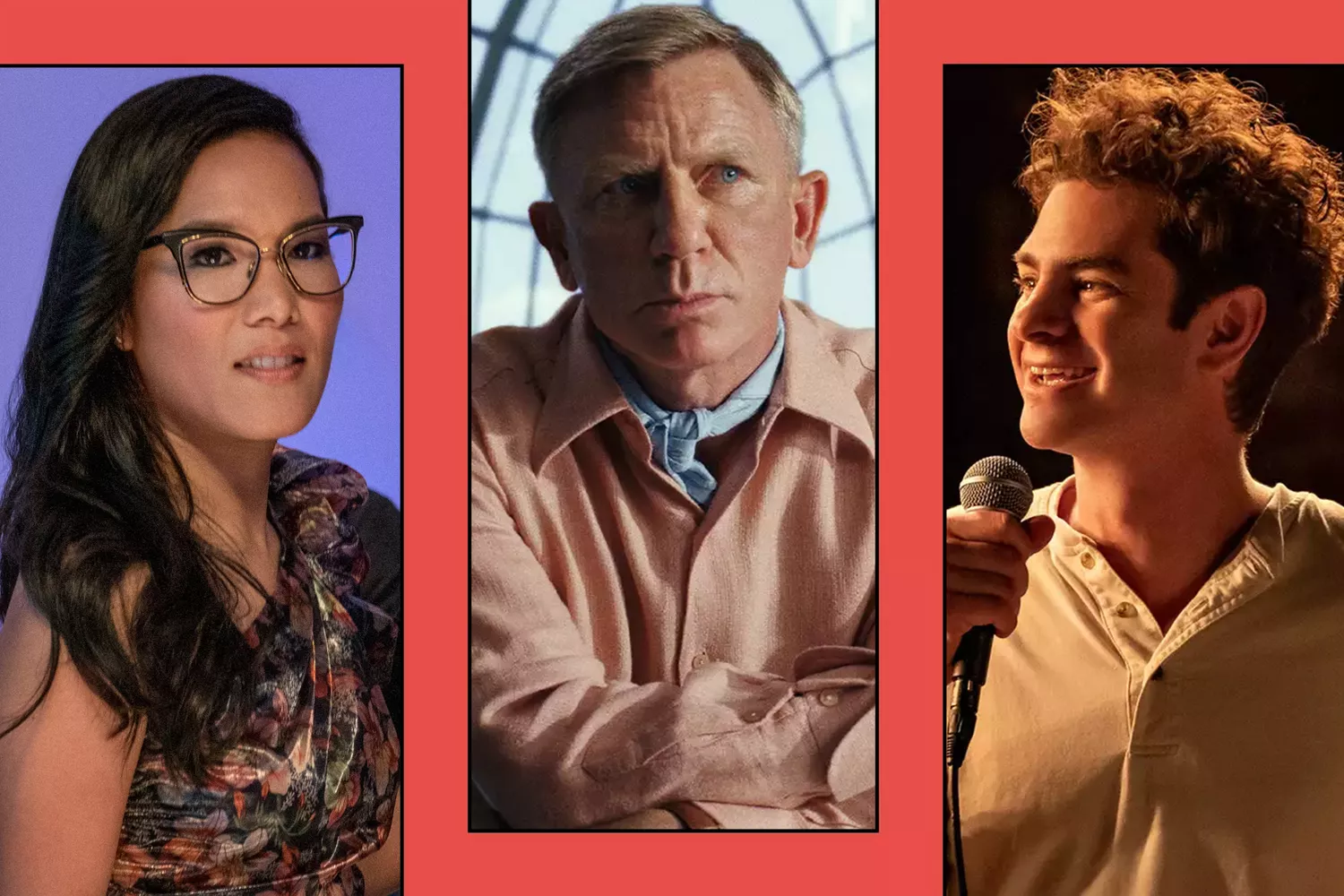
You step into a room full of adults and teenagers, and somehow the conversation turns to the very question most parents and filmmakers agonize over: what exactly does PG-13 mean anymore? It’s a rating that promises just enough spice to thrill without offending, enough drama to grip without alienating. Netflix, the digital colossus, has quietly become the curator of this subtle alchemy, offering a catalog of PG-13 titles that are both safe and provocative—movies that refuse to be pigeonholed as childish or overtly adult. But beneath this veneer lies a fascinating cultural puzzle: why are audiences so captivated by this in-between?
The very nature of PG-13 defies clarity. It’s neither innocent nor explicit; it flirts with the edge, teasing us with the promise of grown-up themes, yet retreats before the boundaries get too sharp. This ambiguity is Netflix’s playground. The streaming giant’s most-watched PG-13 selections aren’t just filler—they’re crafted to appeal to the largest possible crowd, those who crave a narrative with teeth but not venom. The ratings board’s “suggested parental caution” is less a warning and more an invitation to explore gray areas of human experience without the discomfort of outright exposure.
When Middle Ground Becomes the New Frontier
It’s tempting to dismiss PG-13 as the cinematic equivalent of beige paint—safe, neutral, forgettable. But this middle ground is fertile territory for innovation. Consider the psychological tug of war within these films: the tension of a love story edging on forbidden, the thrill of action without gore, or the quiet introspection that skirts trauma without plunging into darkness. “It’s the sweet spot of emotional risk without recklessness,” a filmmaker recently confided, “and Netflix knows it better than anyone.”
In this curated liminal space, filmmakers find freedom in constraint. The art of suggestion—what isn’t shown or said—often carries more power than explicit scenes. PG-13 movies rely on nuance, subtext, and the audience’s imagination. This careful dance has profound implications for storytelling, especially in an era where content saturation often leads to desensitization. The push and pull between innocence and experience becomes the true narrative engine.
The Cultural Seduction of ‘Almost’
What if the draw of PG-13 films is not just their content, but the cultural promise they carry? They offer a collective shrug against the extremes of cinema—the explicit violence, the relentless adult themes, the infantilization of kid’s fare. Instead, PG-13 invites us into a space of “almost,” where the story flirts with danger or passion but stops just short, leaving the viewer to fill in the gaps. This invitation to participate is a subtle form of cultural seduction, one that Netflix is exploiting with uncanny precision.
Yet, this liminality also poses a question about our societal appetite for risk and comfort. Does the popularity of PG-13 signal a desire for safer narratives, or an impatience with overt censorship? The answer might be more complicated than we expect. For all its middle-of-the-road modesty, PG-13 is not a compromise—it’s a recalibration of storytelling’s social contract.
As the credits roll on these carefully balanced stories, we’re left wondering: Are we truly settling for “almost,” or have we stumbled into a richer, more complex cinematic territory where the whisper matters more than the shout? The answer lingers just beyond the frame, waiting for the next scene.







Where Is Lawrence Jones on ‘Fox & Friends’? Health Update Amid Hiatus – Hollywood Life
Image Credit: Getty Images Fans of Lawrence Jones, a Fox & Friends...
 Kirsten Collins1 Mins read

Who Is Lexi Minetree? 5 Things to Know About the ‘Elle’ Series Actress – Hollywood Life
View gallery Image Credit: Getty Images for Hello Sunshine Lexi Minetree plays...
Kirsten Collins2 Mins read
Release Date, Cast & Updates on ‘Elle’ – Hollywood Life
View gallery Image Credit: Courtesy of Prime Video What, like producing a...
Kirsten Collins2 Mins read

Updates on Academy Award Nominations – Hollywood Life
Image Credit: Warner Bros. Pictures Awards season kicked off earlier this month,...
Kirsten Collins2 Mins read




Leave a comment