

Lady Tremaine: The Cinderella Villain Who Was Never Evil—She Was Desperate
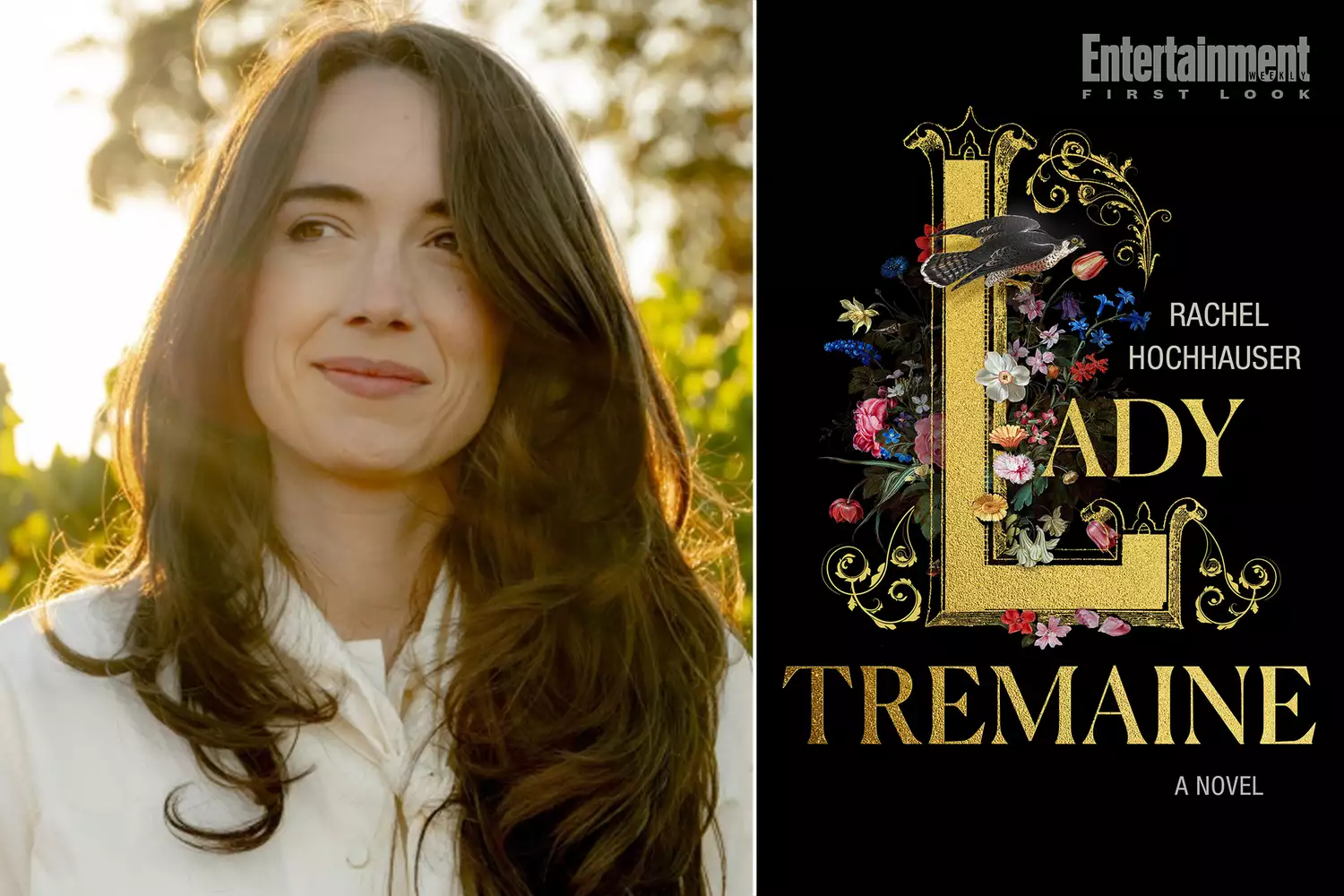
What if Cinderella's stepmother wasn't a villain, but a woman trapped by circumstance? Rachel Hochhauser's upcoming novel Lady Tremaine reimagines the classic tale, offering a hauntingly human portrait of the woman we love to hate.
 Chris MarksMay 12, 20252 Mins read24
The Glass Slipper Was Never Her Only Prison
Lady Tremaine has always been the villain in Cinderella’s story. The cold-hearted stepmother who locked her stepdaughter in a tower of ashes, whose cruelty was as legendary as her elegance. But what if that villainy was a mask, not a nature? What if the woman we love to hate was simply a mother trying to survive in a world that offered her no mercy?
In Rachel Hochhauser’s forthcoming novel, Lady Tremaine, the stepmother is no longer the embodiment of evil. She is Etheldreda Verity Isolde Tremaine Bramley—a twice-widowed woman, a mother of two, struggling to maintain her crumbling estate and secure futures for her daughters in a society that values women primarily through marriage. Her cruelty is not inherent; it is a consequence of desperation, a survival mechanism in a world that offers no other options.
The Woman Behind the Wickedness
Hochhauser’s narrative delves into Etheldreda’s past, painting a picture of an industrious and happy girl shaped by her father’s teachings and the harsh societal expectations imposed on women. She reflects on the brutal realities for women who fail to marry, the loss of her own mother, and the emotional toll of her early marriage. Through vivid storytelling, the novel reframes Lady Tremaine not as a villain but as a complex mother figure shaped by adversity, examining themes of motherhood, societal pressure, sacrifice, and resilience.
A New Perspective on an Old Story
This reimagining challenges the traditional narrative of Cinderella, asking readers to reconsider the motivations of its characters. Is Etheldreda truly evil, or is she a product of her circumstances? By exploring her backstory, Hochhauser invites us to empathize with a character who has long been vilified. In doing so, she reminds us that every villain has a story, and sometimes, that story is one of survival rather than malice.
The Price of Survival
As we await the release of Lady Tremaine in March 2026, we are left to ponder: How many of our judgments are based on incomplete stories? Can we truly understand a character’s actions without first understanding their circumstances? In reimagining Lady Tremaine, Hochhauser not only gives voice to a silenced character but also challenges us to look beyond the surface and question the narratives we have been told.
Perhaps the most unsettling question Hochhauser poses is this: How many of us are just one misfortune away from becoming the villain in someone else’s story?






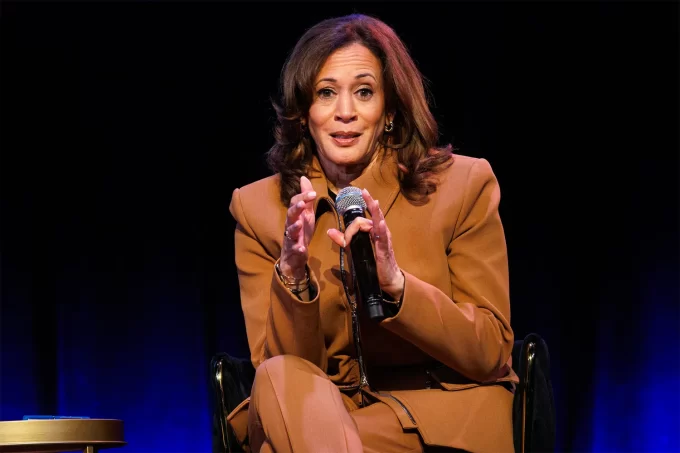
When “107 Days” Meets Outcry: Harris’s Book Tour Interrupted
The microphone crackled to life, and before Harris could finish her opening...
Chris Marks1 Mins read
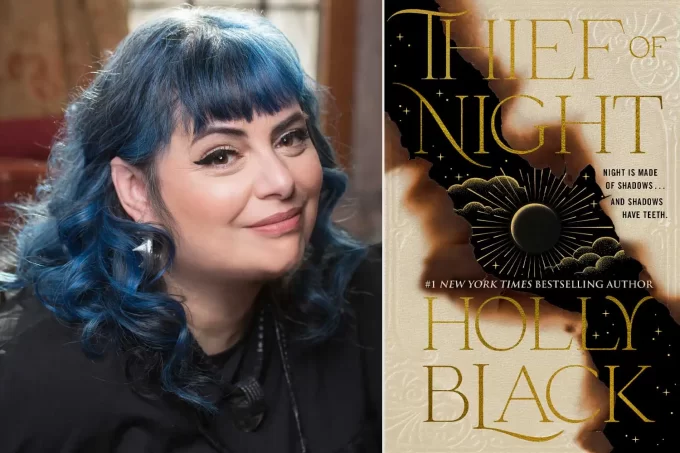
Whispers in the Shadows: Why Holly Black’s Sequel Is a Dark Invitation We Can’t Ignore
The night isn’t just dark—it’s ravenous, greedy, and it’s coming for you....
Chris Marks2 Mins read
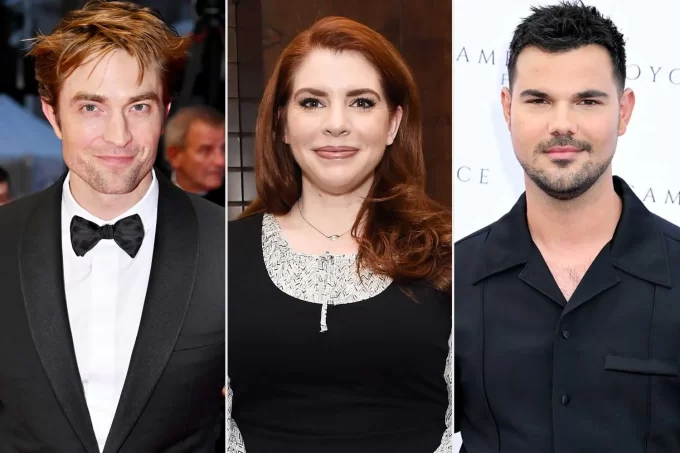
Why Stephenie Meyer’s Regret About Edward Changes Everything You Thought You Knew
The moment Stephenie Meyer admitted she wouldn’t pick Edward Cullen today, a...
Chris Marks2 Mins read
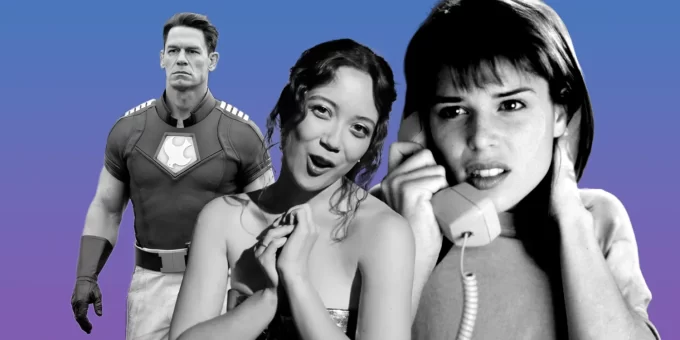
When Fear, Fury & Feathers Collide: Cinema, Superheroes, and a Confessional Album
Open with tension—the kind that threads through a scream, a reveal, and...
Chris Marks2 Mins read





Leave a comment