

The 15% Promise: What Happens When Sephora Gives Space—Not Just Statements
Sephora’s pledge to dedicate 15% of shelf space to Black-owned businesses is bold. But in the beauty industry, visibility isn’t just progress—it’s a form of power. Who decides what stays?
 Kirsten CollinsJune 11, 20201 Mins read124
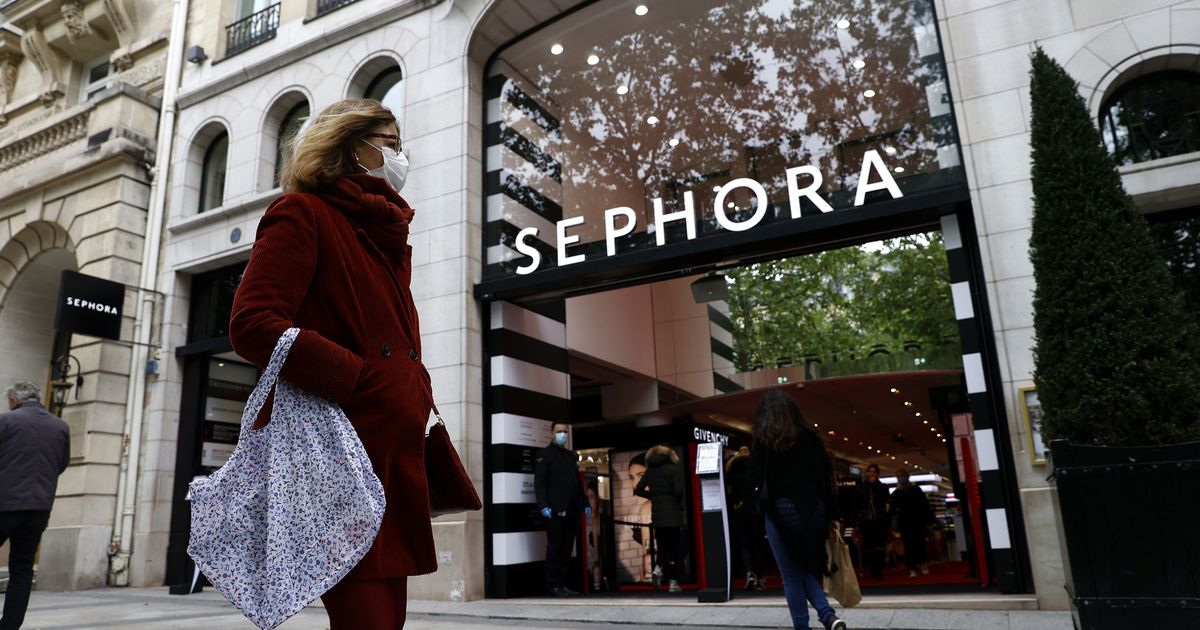
A shelf isn’t just a place to put product. It’s a place to be seen—or erased. Sephora’s announcement to allocate 15% of its shelf space to Black-owned businesses isn’t just a logistical change. It’s a seismic one. Because in beauty, space equals legitimacy. And legitimacy equals legacy.
The move comes as part of the 15 Percent Pledge, a campaign urging major retailers to commit a fair share of their visibility—and revenue stream—to Black entrepreneurs. For Sephora, one of the industry’s most influential giants, the pledge means rethinking not just what they stock, but how they stock it. And for whom.
Visibility Is the New Power
There’s something radical about putting Black-owned brands on eye-level shelves—not relegated to themed sections or heritage months. Not a moment. A presence. Because real inclusion isn’t seasonal. It’s systemic.
This isn’t about charity. It’s about equity. About recognizing the creative, cultural, and commercial weight that Black founders bring to an industry that has too often capitalized on their ideas while excluding their voices. One founder put it plainly: “You can’t be what you can’t see.”
Sephora’s move sends a message not just to customers, but to the entire supply chain: Black excellence isn’t niche. It’s essential.
But Who Gets to Stay?
Still, the question remains: what happens after the ribbon-cutting? Shelf space is one thing—shelf life is another. The real work lies in follow-through: in marketing dollars, mentorship, reorder commitments, and corporate accountability beyond the press release.
Because the beauty industry has long been built on illusion—on aspiration without access. The 15% isn’t just about correcting a number. It’s about confronting a legacy.
And maybe, just maybe, it’s a start. Not toward perfection. But toward permanence.






The Velvet Rope Has Frayed: Saks Fifth Avenue Just Walked into Amazon’s Living Room
They didn’t hear the door creak open—but it did. In a move...
Kirsten Collins2 Mins read

The Face That Didn’t Fit: Meghan, Beauty, and the Industry’s Silent Criteria
They never said it outright. They didn’t need to. Silence, when paired...
Kirsten Collins2 Mins read
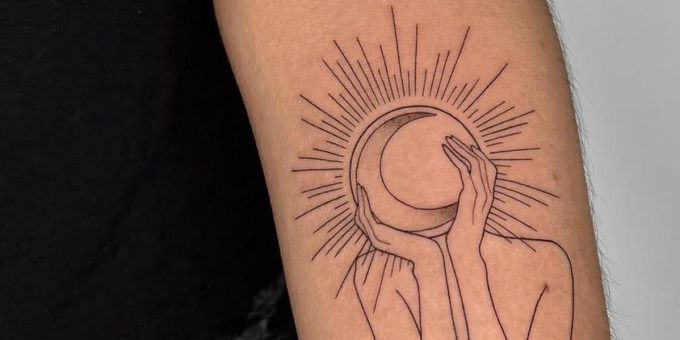
15 Moon Tattoo Ideas for a Celestial Piece That’ll Fit Each Phase of Your Life
When it comes to getting permanent art tattooed on your body, there...
Kirsten Collins3 Mins read
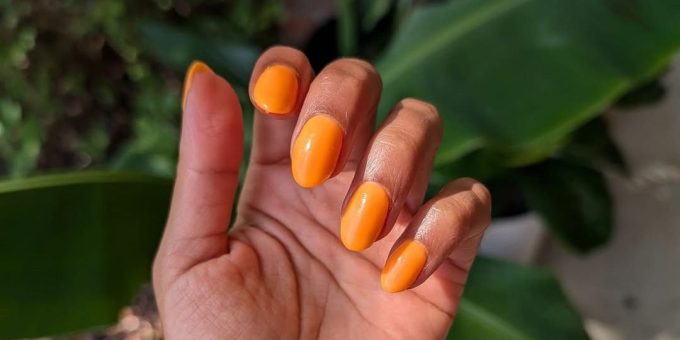
The Dip That Won’t Chip: Is Your Manicure Hiding Something?
No one talks about what happens to softness when you dip your...
Kirsten Collins1 Mins read





Leave a comment