

HBO Max’s Horror Vault: Beyond Scream and Scare
HBO Max’s curated horror collection isn’t just about jumps and jolts—it’s a dark tapestry of social fears, artistic ruminations, and boundary-pushing nightmares. But are we ready to stare beyond the jump scare into what's really lurking beneath?
 Krista FreelandJuly 21, 20252 Mins read24

The screen sputters to life with black-and-white gloom as Carnival of Souls begins—Candace Hilligoss’s ghostly figure cresting a desolate bridge—and you realize HBO Max’s horror trove is less Spielberg scare-factory and more cinematic séance. This isn’t shock therapy; it’s cultural archaeology, unearthing fears glossed over by mainstream frights. Why do these old ghosts feel sharper now?
These films aren’t doorbusters—they’re slow burns. Cronenberg’s Cronos winds beneath your skin with vampiric elegance; Cronenberg’s Cronenberg’s exploration of mortality reveals something more mortal than monster. The Conjuring still chills with its demonic domesticity, “based on a true story”—and that qualifier lodges itself like a splinter. But it’s Carnival of Souls that lingers: that bleak architecture reflects a societal undercurrent of isolation and dislocation.
Sleepwalking Through the Haunted and Human
Among HBO Max’s cult section you’ll find Onibaba, The Brood, Eraserhead—cinema that neither dazzles nor distracts, but unsettles. They remind us horror’s power isn’t in the cheer of the jump scare—it’s in the stale silence after. The Brood, released against the backdrop of divorce culture, gestures a familial darkness far deeper than gore could ever reach. These are nightmares born from real anxieties—and audiences still feel their weight.
Modern shards of that sensibility persist too. Hereditary, streaming on Max, is not just popular—it’s critically acclaimed (90 % on Rotten Tomatoes), and for good reason: grief masquerades as demon, and familial trauma weaves a terror no exorcism can clean. The Babadook, with its haunting portrayal of maternal despair and grief, earned 98 % on Rotten Tomatoes and even queer icon status—shaping itself into a cultural mirror as much as a monster.
Frights That Unsettle Long After the Credits
HBO Max isn’t dumping a pile of scary titles—it’s offering a curated lexicon of fear. Want supernatural dread? Try The Conjuring. Yearn for psychological unease? Dive into Eraserhead or Onibaba. These aren’t signed by franchises—they’re etched by artists. The question they leave you with isn’t “Are you scared?” but “What are you?”
This collection asks us to study the margins—emotional, cultural, existential. It’s easy to click away from screams, harder to sit with dread. But perhaps the deeper terror is silence. Will we challenge ourselves to listen? Or let life’s quiet horrors remain unspoken? The vault’s open…but are we brave enough to enter?



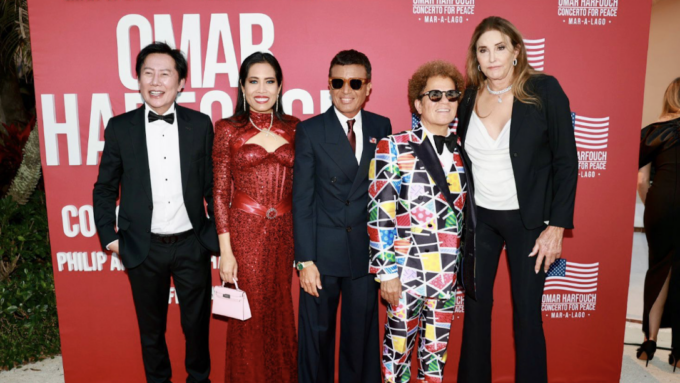
Pianist Omar Harfouch Brings Celebrated Figures Together for a Night of Cultural Exchange – Hollywood Life
Image Credit: Omar Harfouch On February 20, 2026, pianist and cultural figure...
 Kirsten Collins2 Mins read
How Much Money Does She Have Now? – Hollywood Life
Image Credit: WWD via Getty Images Rihanna may be known as one...
Kirsten Collins2 Mins read
Stars Who Slammed ‘Love Story: JFK Jr. & Carolyn Bessette’: Statements – Hollywood Life
Image Credit: Getty Images FX’s Love Story: John F. Kennedy Jr. and...
Kirsten Collins2 Mins read
Find Out Release Date, Cast, Plot Details & More – Hollywood Life
Image Credit: Courtesy of Amazon Freevee After its breakout first season, Jury...
Kirsten Collins2 Mins read





Leave a comment