

“Is Helen Really Gone? The Buffy Queen Haunts I Know What You Did Last Summer”
A ghost from the past resurfaces—literally—to unsettle the new I Know What You Did Last Summer. But is this a homage, a tease for more, or something darker?
 Chris MarksJuly 18, 20252 Mins read22

A spotlight flickers on the frozen pageant queen—Helen Shivers, on ice, in full Croaker Queen regalia, reanimates not in flesh but in fevered memory. That’s how the new I Know What You Did Last Summer greets Sarah Michelle Gellar’s iconic return: cinematic sleight-of-hand that feels both thrilling and unsettling. At no point does the story pretend Helen is back “alive.” Instead, she drifts through Danica’s hallucination, her visage decaying before our eyes in a moment that is as haunting as it is bone-chilling.
We’re not in Marvel territory—there is no resurrection. But Jennifer Kaytin Robinson, who “tried relentlessly” to coax Gellar into returning, found the perfect loophole: a dream sequence that flirts with canon without breaking it. Gellar, ever witty, rebuffs the idea of Helen living—“I’m Sarah Dead Gellar”—then steps in off-camera as an unofficial continuity consultant.
Whispers From the Edge of the Stage
The vision Helena appears not to counsel, but to warn—a spectral mother-in-the-dark to Danica, her floor-length gown trailing decay. It’s a poetic jab at the franchise’s reliance on nostalgia, but it also reveals clever guts: the director wanted a loop-back to ’97, yet insists the ghost enters only in the mind, never on the marqueeEW.com+4.
Meanwhile, the buzz around Gellar extends beyond screen time. Rumors of tension with Jennifer Love Hewitt swirled—yet both stars quietly dismantle that narrative, framing the red-carpet disconnect as mere logistics, not drama. The real tension is between past and present, memory and myth, canon and fan service.
Behind the glamour of horror revival lies a raw truth: legacy sequels are bargains with the past. Freddie Prinze Jr., back as Ray, admits he once scoffed at the idea—but the Scream renaissance convinced him that trailers can fuel more than nostalgia; they can reignite cultural love. But all that fuel can explode, leaving unanswered questions: when is homage a crutch, and when is it a coup?
“Somebody kills someone and they get a letter, and it says, ‘I know what you did last summer,’” Gellar teases playfully—but in her cameo, the game changes: you don’t just earn a letter. You earn a vision, and a reminder that some voices are always present—even after death.
At its core, this cameo is more than a wink to fans. It’s a challenge—ask yourself: does bringing back a dead queen break the spell of finality, or deepen it? Helen’s skeletal warning is both cameo and coda. The question now is: does it whisper of a true resurrection, or a haunting that never truly ends?
In the end, we circle back to that first glance at decay on stage—Helen was ice, she was death, and yet here she stands again. What if the ghost isn’t gone at all? And what if that’s the scariest thing of all—a death that won’t let you forget. Whisper it with me: Helen never left.





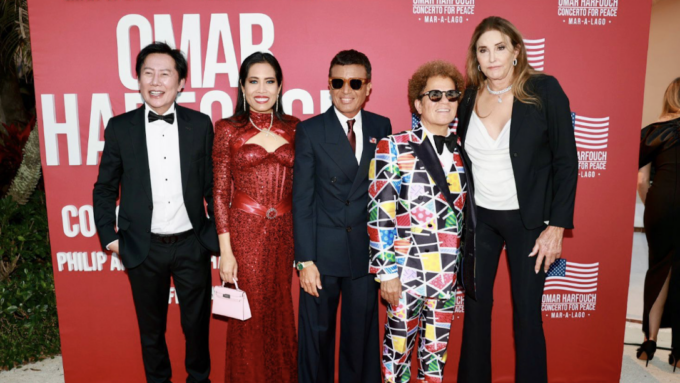
Pianist Omar Harfouch Brings Celebrated Figures Together for a Night of Cultural Exchange – Hollywood Life
Image Credit: Omar Harfouch On February 20, 2026, pianist and cultural figure...
 Kirsten Collins2 Mins read

Who Is Ivana Lisette Ortiz? About the Rihanna Home Shooting Suspect – Hollywood Life
Image Credit: WWD via Getty Images The suspect in the March 8,...
Kirsten Collins1 Mins read

How Much Money Does She Have Now? – Hollywood Life
Image Credit: WWD via Getty Images Rihanna may be known as one...
Kirsten Collins2 Mins read
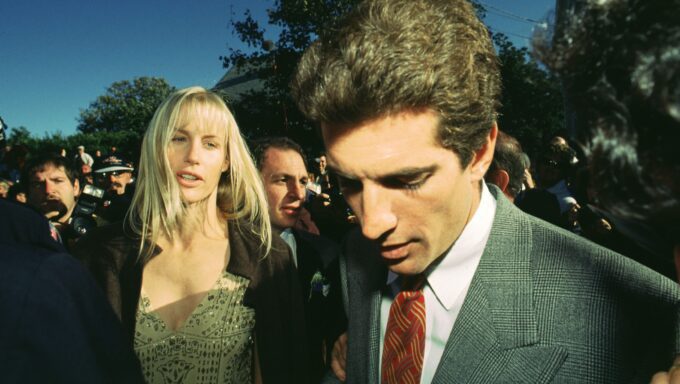
Stars Who Slammed ‘Love Story: JFK Jr. & Carolyn Bessette’: Statements – Hollywood Life
Image Credit: Getty Images FX’s Love Story: John F. Kennedy Jr. and...
Kirsten Collins2 Mins read





Leave a comment