

The Lost Voice of Nani: Why Disney’s Deleted “My Name is Nani” Song Haunts Us
A forgotten melody from Lilo & Stitch resurfaces, revealing more than just a lost song—it exposes the emotional depths Disney almost dared to show. What does the silence around Nani’s voice say about the stories we tell?
 Kirsten CollinsJuly 21, 20251 Mins read23
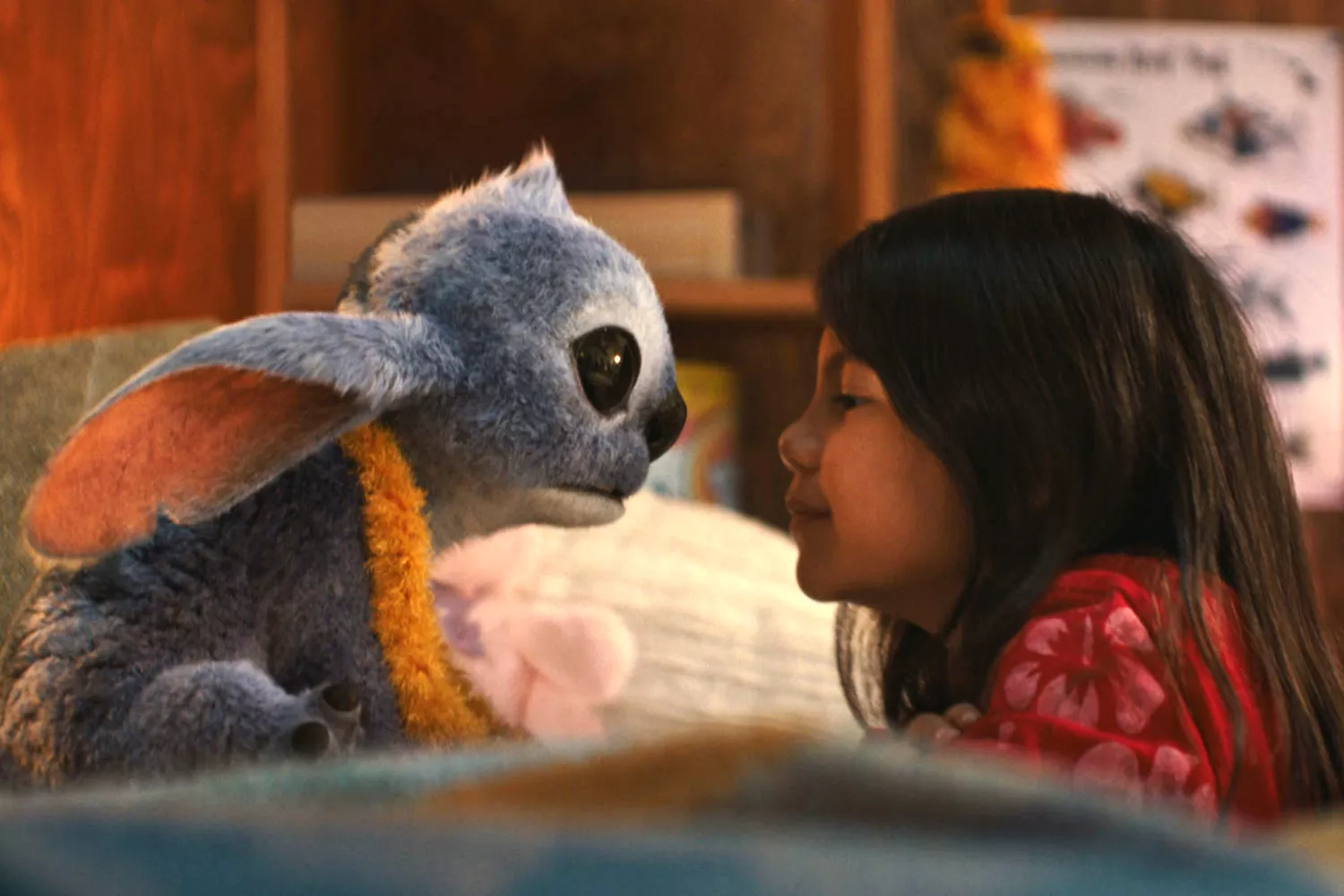
The screen goes dark, and then a voice—soft, vulnerable—begins to sing. It’s not Stitch’s wild antics or Lilo’s innocent laughter, but Nani’s song: “My Name is Nani.” A melody Disney never let the world hear, quietly tucked away, now haunting the margins of Lilo & Stitch’s legacy.
Why did this song, brimming with raw emotion and unspoken weight, vanish before the final cut? What does it mean that Nani—the reluctant, steadfast sister caught between family and chaos—was almost given this private moment to speak?
When Silence Speaks Louder Than Song
Nani’s character has always been the unsung pillar beneath the film’s whimsical chaos. The deleted song hints at an inner world fraught with sacrifice and loneliness, a depth Disney chose to mute. This omission begs the question: Are we too comfortable seeing Nani as the background to Lilo’s bright spirit? The song’s absence suggests an unease with exposing adult pain in a world crafted for children.
One animator confided, “That song was her truth, and maybe it was too heavy for the magic Disney wanted to keep.” But does shielding audiences from this complexity risk flattening the narrative into something less honest? What stories get sacrificed when silence is chosen over song?
The Unheard Anthem of Family Struggle
In a culture often eager to package family dynamics into neat resolutions, Nani’s song was a crack in the facade—a testament to endurance and invisible battles. It’s the anthem Disney almost dared to sing about the grit behind caregiving, the unglamorous reality of holding a family together when everything threatens to fall apart.
And yet, it remains a ghost note, a tantalizing fragment that makes you wonder how different our understanding of Lilo & Stitch might be if Nani’s voice had been allowed to rise fully. As one voice actor reflected, “Sometimes the stories we don’t tell are as powerful as the ones we do.”





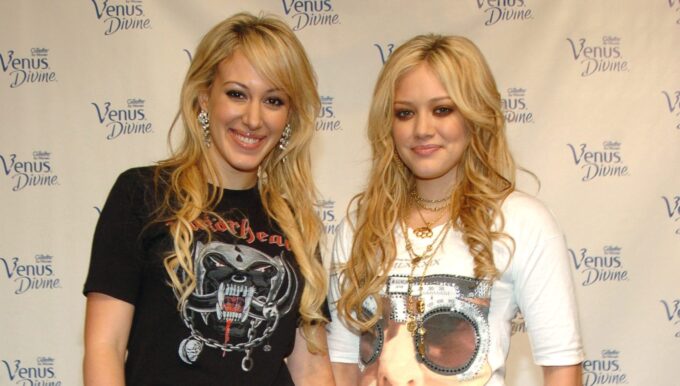
What Happened Between Them? – Hollywood Life
View gallery Image Credit: WireImage Hilary Duff and Haylie Duff were once...
Kirsten Collins2 Mins read
Pianist Omar Harfouch Brings Celebrated Figures Together for a Night of Cultural Exchange – Hollywood Life
Image Credit: Omar Harfouch On February 20, 2026, pianist and cultural figure...
Kirsten Collins2 Mins read
Who Is Ivana Lisette Ortiz? About the Rihanna Home Shooting Suspect – Hollywood Life
Image Credit: WWD via Getty Images The suspect in the March 8,...
Kirsten Collins1 Mins read

What Channel Are the Academy Awards On? – Hollywood Life
Image Credit: AFP via Getty Images The 2026 Academy Awards will bring...
Kirsten Collins1 Mins read





Leave a comment