

The Scene That Refuses to Close Its Legs
Decades after Basic Instinct, Sharon Stone’s infamous leg-crossing scene still unnerves Hollywood—less because of what was shown, and more because of who stayed silent.
 Chris MarksAugust 5, 20252 Mins read10

There are moments in cinema that slit the curtain and expose more than just a thigh. The infamous leg-crossing scene in Basic Instinct didn’t just electrify screens—it detonated a cultural nerve, broadcasting the kind of power few women in Hollywood were ever allowed to wield, even briefly. Sharon Stone wasn’t just acting; she was authoring a threat. And now, over thirty years later, she’s rewriting the footnotes.
In a recent reflection, Stone—still as magnetic and defiant as that glacial interrogation chair—revealed what many long suspected but few in the industry dared to confirm: that she was not fully informed about how the scene would be shot. “They told me, ‘We need the white of your underwear,’” she recounted. And then, on viewing the final cut, she realized her body had been turned into a spectacle without her consent. That kind of editorial sleight-of-hand wasn’t just betrayal—it was cinematic theft. But what’s more chilling than the frame itself is the chorus of silence that followed. No outrage. No outcry. Just applause.
She Was the Flame. They Pretended It Was Smoke.
The 1992 release of Basic Instinct was more than a film debut for Stone—it was a coronation wrapped in ice-pick chic. She became the kind of woman men fantasize about controlling and fear they never will. But the system didn’t reward her power; it quarantined it. Stone’s performance was weaponized by studios and suppressed by the same breath. There were no awards, only rumors. No protections, only packaging.
What makes this scene still pulse today is that it wasn’t just Stone’s legs that were uncrossed—it was the raw anatomy of power, agency, and violation. The scene was a seduction, yes—but engineered by men, lit by men, cut by men. When the male director tells you to take off your underwear “for the lighting,” is that direction or coercion? When no one stops the reel, is it collaboration or complicity?
Hollywood’s Favorite Magic Trick: Disappearing Consent
This isn’t just about Sharon Stone. It’s about how female vulnerability has long been alchemized into male prestige. How the erotic was often a euphemism for exploitation. For decades, the industry sold rebellion while choreographing submission behind the camera. What Basic Instinct did was wrap a dangerous power in a designer dress—and Hollywood’s handlers never forgave Stone for it.
Even now, Stone’s voice trembles with something that isn’t quite rage but reads like it could be if she ever stopped being so perfectly composed. “It wasn’t just me,” she seems to suggest with every syllable. It’s a story etched into the walls of every casting room that smelled a little too much like whiskey and arrogance. The scene lingers because it wasn’t supposed to happen the way it did. And yet, it did—because no one stopped it.
And maybe they still wouldn’t.
Thirty years on, that frame still burns, not for its content, but for its context. What did we actually see—and what didn’t we? And if cinema is memory, then why do some stories age into legend while others remain stuck in the darkroom?
Sometimes, a scene won’t fade because the lights never truly came on.








Where Is Liam Conejo Ramos Now? Updates on 5-Year-Old’s ICE Detainment – Hollywood Life
Image Credit: Getty Images Liam Conejo Ramos came home from preschool while...
 Kirsten Collins2 Mins read

Who Is Harry Styles’ ‘Aperture’ About? Breakdown of the Lyrics – Hollywood Life
View gallery Image Credit: Getty Images We’ve doing doing all this late...
Kirsten Collins1 Mins read
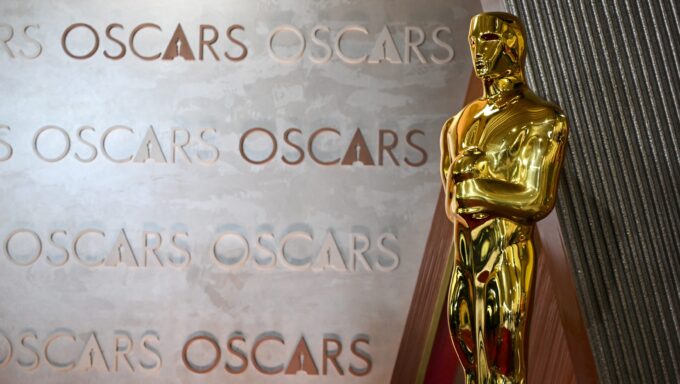
When Are the Oscars 2026? Date of the Academy Awards – Hollywood Life
Image Credit: AFP via Getty Images The Oscars are officially on the...
Kirsten Collins1 Mins read

Ticket Prices & Presale Details – Hollywood Life
View gallery Image Credit: Dave J. Hogan/Getty Images Harry Styles is embarking...
Kirsten Collins2 Mins read




Leave a comment