

Clarinet, Kisses & Cretaceous Courage
Jonathan Bailey storms Jurassic World Rebirth—with clarinet solos, red-carpet kisses, and the weight of queer legacy—leaving us questioning what truly undermines fear: dinosaurs or representation?
 Chris MarksJuly 2, 20251 Mins read29
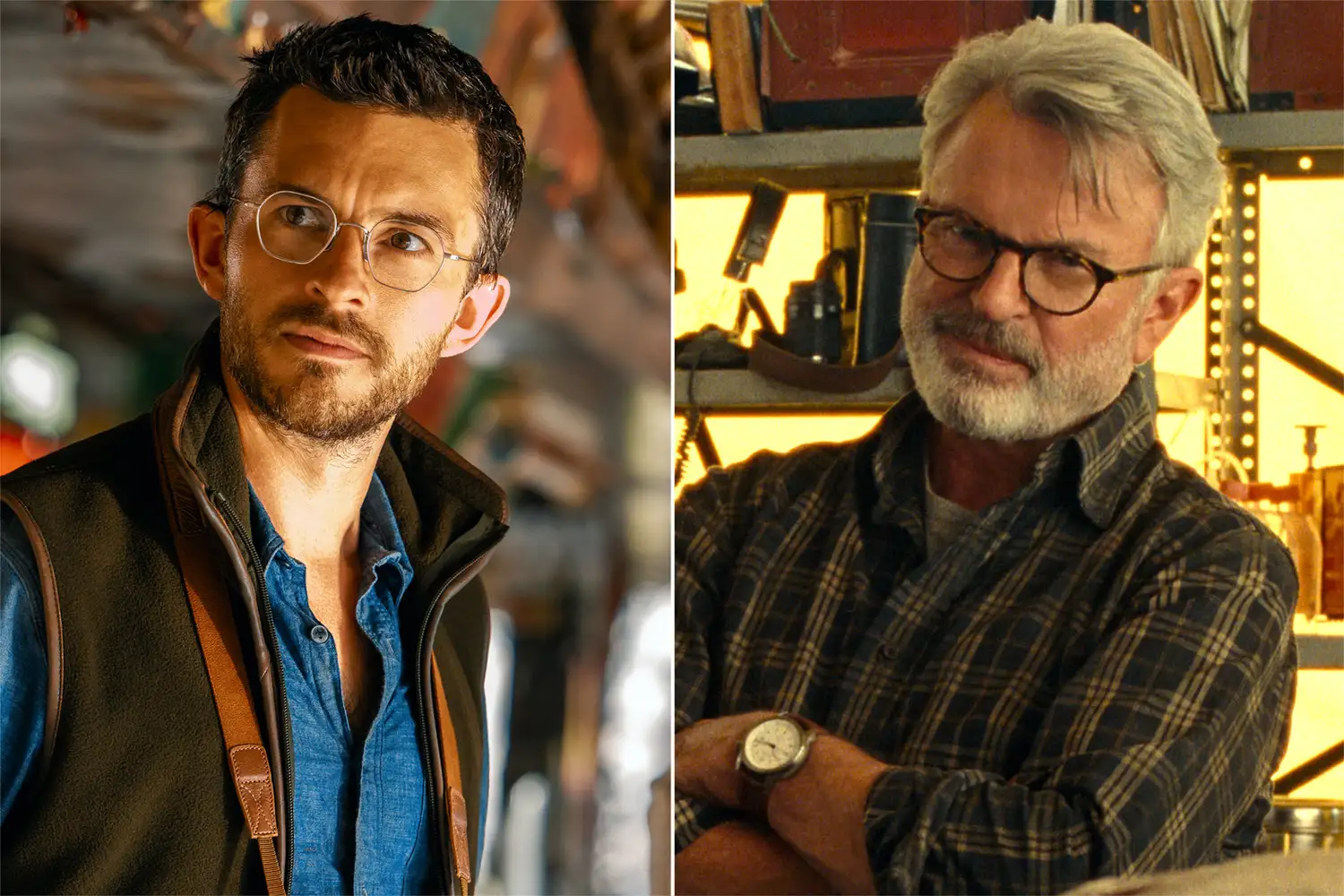
A single clarinet note shatters the roar of prehistoric beasts—when Jonathan Bailey raises that instrument at Abbey Road, is it homage to Spielberg or a declaration of self?
In Jurassic World Rebirth, Bailey doesn’t just join a rescue mission—he carries cultural gravity. “You have to be excellent,” he insists, revealing behind-the-scenes tension tied to his identity; as an out gay actor leading a billion-dollar franchise, “there’s the weight of history” he says. That tension hums beneath every roar and roar, demanding we ask: is marquee survival still about dinosaurs—or shifting cultural tectonics?
Musical Roar & Unexpected Intimacy
Picture Bailey at Abbey Road, clarinet in hand, weaving Robert Desplat’s new compositions into Williams’s timeless theme. That musical moment doesn’t just set tone—it disrupts expectation. Then there’s the red-carpet scene in London and New York: a friendly kiss with Scarlett Johansson, caught on camera with her husband Colin Jost just feet away. “Life’s too short not to show love,” Bailey explains, laughter in his voice. Emotion meets spectacle. Are we watching actors—or activists?
Onscreen, Bailey’s Dr. Henry Loomis is a marvel: paleontologist meets poet, nerd chic amplified by “slutty little glasses” that have sparked memes—and deeper cultural resonance. He stares up at a mutated Titanosaur and gasps, “Whoa, my god!”—a line that encapsulates both cinematic wonder and the breathlessness of seeing someone like him at the center of mass-market mythology. Do we gasp for dinos, or gasp for visibility?
Legacy, Visibility, Rebirth
Behind the camera, David Koepp’s screenplay resurrects a scene shelved since Crichton’s original—Bailey drifts across a raft as tributes to Grant’s legacy resurface. Off-camera, Bailey carries a mission of representation, crediting pioneers who’ve opened Hollywood’s gates. He remembers being warned that, “being out gay … meant you wouldn’t be able to play straight” Now cast as a hero—blowing musical notes and fear aside—he’s not just performing. He’s redefining.
We came for the dinosaurs, but we stay for the tremor beneath—Bailey’s clarinet solos, his unguarded kiss, the cultural fracture he embodies. Rebirth is roaring back into theaters July 2—but its true question lingers: what happens when representation evolves faster than the beasts chasing it?



Who Is the Shooter at ODU? Old Dominion University Shooting Updates – Hollywood Life
Image Credit: LightRocket via Getty Images Old Dominion University (ODU) in Virginia...
 Kirsten Collins1 Mins read
FBI Alert, White House Response & More – Hollywood Life
Image Credit: Getty Images A report surfaced earlier this week — just...
Kirsten Collins2 Mins read
Meet His 5 Children, Including New Baby Named Ozzy – Hollywood Life
Image Credit: Larry Busacca Jack Osbourne is now a father of five!...
Kirsten Collins2 Mins read

How Much Money the Fighter Makes – Hollywood Life
Image Credit: Zuffa LLC via Getty Images Ronda Rousey is making her...
Kirsten Collins2 Mins read





Leave a comment