

When the Pass Stops Working: Brock Purdy and the Art of Tactical Delay
The 49ers’ offense isn’t broken—it’s brooding. With weapons sidelined and routes going cold, Brock Purdy isn’t just throwing passes anymore. He’s playing chess with shadows.
 Chris MarksAugust 7, 20252 Mins read17

The first sign wasn’t the missed route—it was the silence. A beat too long. A rhythm that used to be symphonic now dragged like wet velvet. Brock Purdy, once the darling of Kyle Shanahan’s quarterback machine, stood behind the line not looking for targets but for ghosts. The 49ers’ passing attack is faltering again, not in drama, but in something worse: subtle decay.
You don’t notice it at first. That’s the genius of collapse. It doesn’t roar—it rusts. And with Deebo Samuel and Brandon Aiyuk drifting in and out of health, the field begins to feel longer, the windows tighter, the plays slower. Suddenly, Purdy isn’t threading the needle; he’s threading the unknown.
What Do You Throw When No One’s Open?
This is not a crisis of talent—Purdy remains the efficient orchestrator. But the offense now asks him to be clairvoyant. To read routes that haven’t finished forming. To trust backs and tight ends in places where WRs once ruled. It’s not quarterbacking. It’s improvisational jazz with 250-pound defenders rushing the stage.
And Shanahan, the famed architect of motion and misdirection, seems less like a wizard and more like a magician mid-trick, halfway through the illusion. His schemes still dazzle—but without his full receiving corps, they feel like incomplete sentences.
“Sometimes,” one former NFC coach mused, “when a QB loses his timing, he starts seeing things that aren’t there—and worse, missing the ones that are.” If you squint at Purdy’s recent throws, you can almost hear the doubt mid-spiral.
The Offense Is Haunted by Its Own Reputation
The irony, of course, is that this team was never built to be aerial. It was built to mislead you into thinking it was. With McCaffrey, Kittle, and Juszczyk, it’s a ballet of bodies moving in service of confusion. But the injuries have pulled back the curtain. Defenses are no longer hypnotized. They know the ball has to leave Purdy’s hand—and quickly.
There’s something almost cinematic about watching a high-octane offense reduced to cautious checkdowns and sideline shrugs. The machine still hums, but it no longer sings. The deeper issue? This may not be temporary. NFL seasons are long, punishing, and rarely fair. The body count is part of the game.
Yet, even in this liminal moment, there is poetry. Watching Purdy scramble—not just physically, but mentally—is like watching a conductor try to keep tempo without half the orchestra. It’s not just about keeping the offense alive. It’s about making sure it doesn’t forget how to breathe.
And that’s the quiet terror: what if, by the time the receivers return, the rhythm has changed too much to recognize?


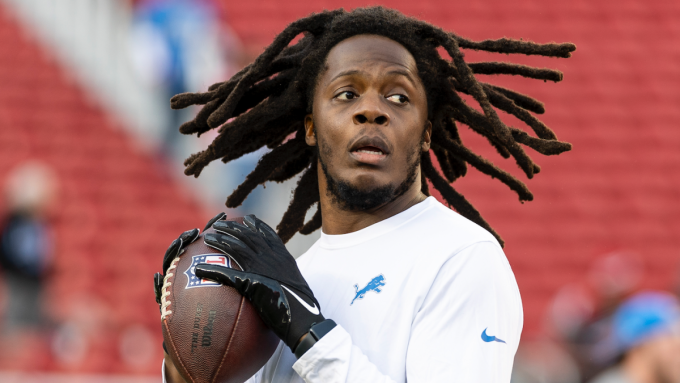



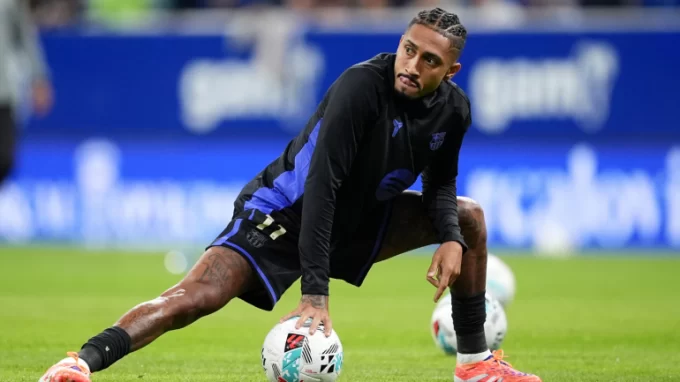
Barcelona’s Fragile Pursuit: When Injuries Threaten More Than Just a Season
A silence spreads over Camp Nou that no roar can drown out—two...
Chris Marks2 Mins read
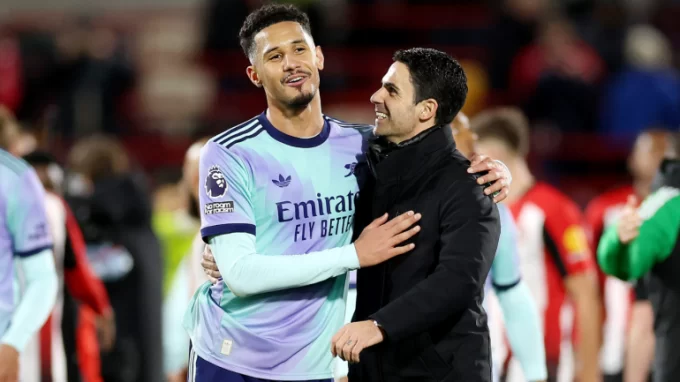
William Saliba: Arsenal’s Silent Architect or Its Greatest Gamble?
The air inside the Emirates shifts with unspoken tension—William Saliba, once a...
 Joseph Bennett2 Mins read
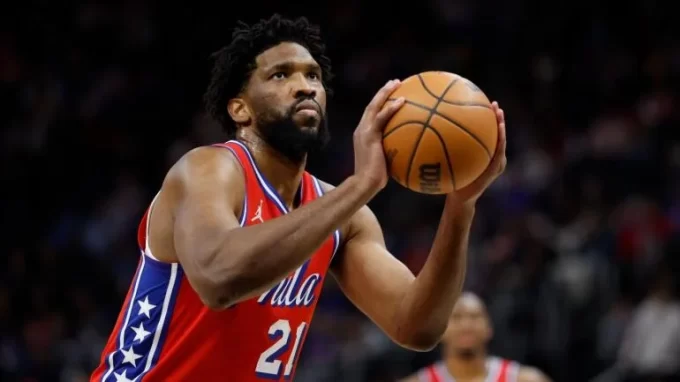
Joel Embiid’s Quiet Confidence: Is the 76ers’ Giant Ready to Rewrite His Story?
Joel Embiid is rarely one to make noise without purpose, and now,...
 Kirsten Collins1 Mins read
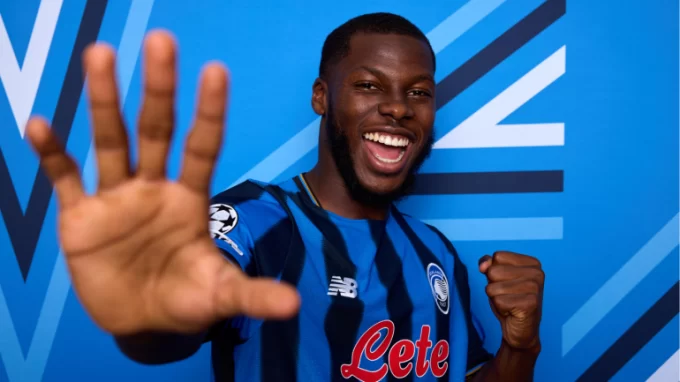
Juventus, Atalanta, and Arsenal’s Quiet Revolution: What’s Really Shaping This Week in Football?
The roar of Serie A stadiums masks a subtle shift, one that...
Kirsten Collins2 Mins read





Leave a comment