

The 59% Problem: What One Hour of Screen Time Before Bed Is Really Costing You
A new study shows just one hour of screen time before sleep raises your risk of insomnia by 59%. But what if the real danger isn’t the screen—it’s what you’re trying to avoid by staring into it?
 Kirsten CollinsApril 1, 20251 Mins read44
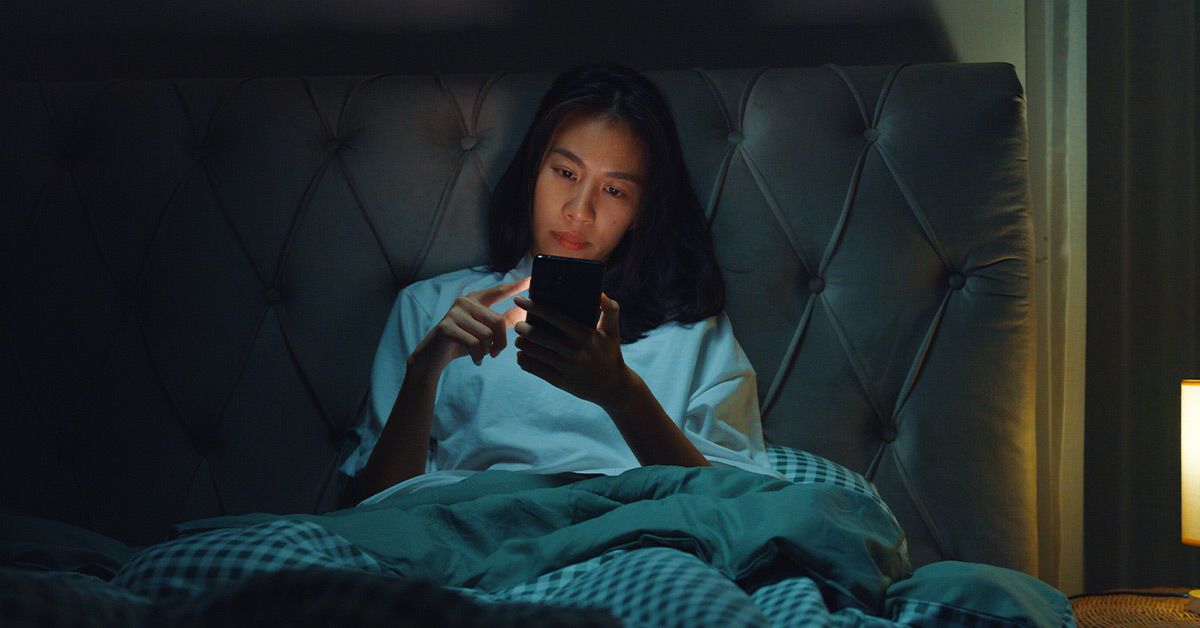
One hour. That’s all it takes. According to new research, spending just sixty minutes in front of a screen before bed raises your risk of insomnia by 59%. That’s not a gentle suggestion to turn off your phone. It’s a siren in the dark.
We’ve been warned about blue light for years, of course. About disrupted melatonin, tricked circadian rhythms, the synthetic daylight that makes your brain think it’s still afternoon. But this new study doesn’t just blame the light—it points to the habit. The ritual of late-night scrolling, of holding chaos inches from your face, of bringing the entire internet into bed and wondering why you can’t dream.
Screens Are a Symptom—Not Just the Cause
The data is clear: even a single hour of screen exposure before sleep triggers neural and hormonal changes that delay deep rest. But the question isn’t just how this happens—it’s why we keep doing it anyway.
Because screens at night aren’t just addictive—they’re anesthetic. We don’t check emails or refresh TikTok because we want to. We do it because we don’t want to sit alone with the quiet. Or the stress. Or the uncertainty of what’s waiting tomorrow. Screens don’t just delay sleep. They delay thinking.
The consequences, though, are sharp. Poor sleep doesn’t just mean grogginess—it increases anxiety, suppresses immunity, disrupts memory, and chips away at emotional regulation. You’re not just losing rest. You’re losing resilience.
The Glow That Haunts the Bedroom
We’ve come to see nighttime as a last window of freedom, of private time. But what we’re actually doing is inviting surveillance into the most vulnerable part of the day. The scrolling doesn’t soothe. It simmers. Our minds stay lit long after the phones are dark.
So yes, the study says 59%. But what it doesn’t measure is the deeper erosion—of presence, of intimacy, of real rest. The price we pay not just in minutes of REM, but in how deeply we can exist the next day.
You could turn the screen off an hour earlier. That’s the easy advice. But the harder question lingers in the dark: what are we trying not to feel when we pick it up in the first place?
- Bedtime
- bedtime digital detox
- bedtime phone use health risks
- bedtime screen habits
- blue light and melatonin
- digital sleep hygiene
- Hour
- how screens affect sleep
- Insomnia
- insomnia risk screen use
- raises
- Risk
- Screen
- screen addiction at night
- screen before bed study
- screen time insomnia
- sleep and blue light
- sleep disruption technology
- tech and mental health
- time






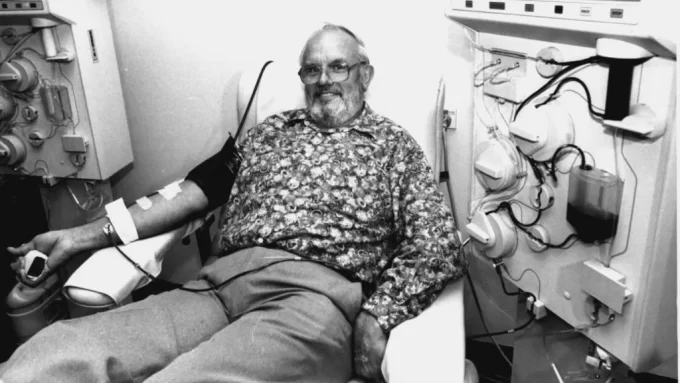
The Man Who Bled for Millions
He saved over 2.5 million babies, but no one ever recognized him...
Kirsten Collins2 Mins read

The Silence Before the Sneeze
A dead bird, limp on the edge of a sidewalk in Guangdong,...
Kirsten Collins2 Mins read

The Fetishization of Fear: RFK Jr. and the Vaccine Fetuses Lie
It begins, as these things always do, with a whisper dressed as...
Kirsten Collins2 Mins read

The Lie That Keeps Mutating
The seduction of scandal is ancient, but its latest host is disturbingly...
Kirsten Collins2 Mins read





Leave a comment