

The Bedroom Lab: What the FDA’s At-Home STI Test Approval Means for Modern Sexual Health
With a new FDA-approved at-home STI test, sexual health is getting a privacy upgrade. But with power comes responsibility—are we ready to test ourselves?
 Kirsten CollinsApril 4, 20251 Mins read118
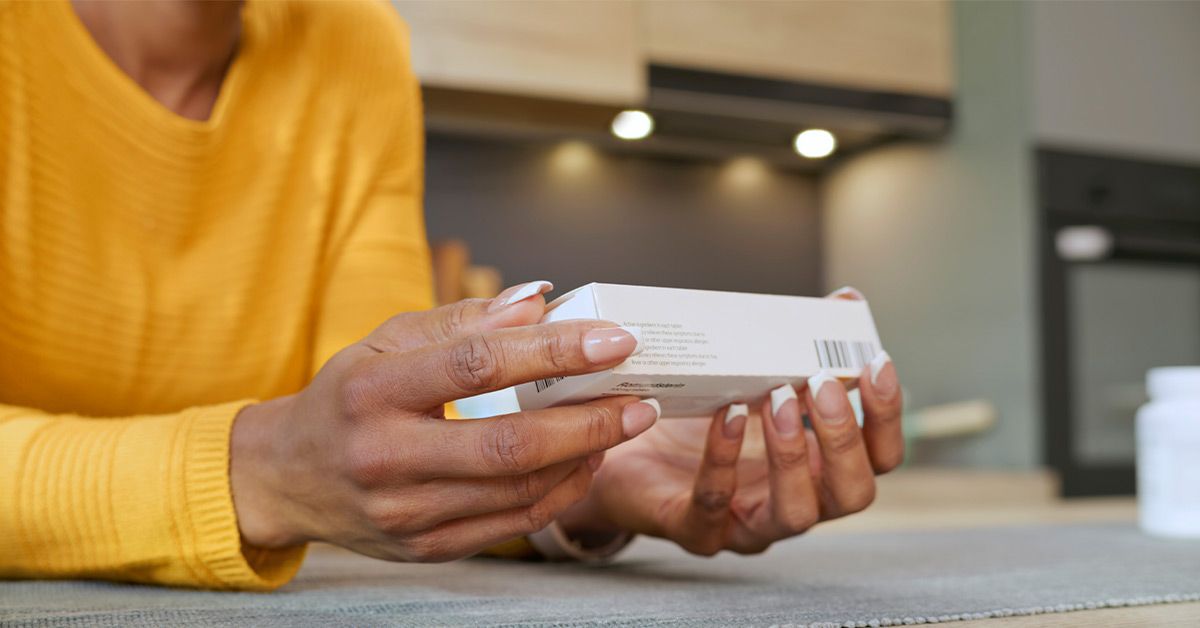
It used to require a clinic visit, a clipboard of questions, and a quiet walk of shame through a waiting room. Now, with the FDA’s approval of the first at-home test for common STIs, sexual health is stepping into the modern age—packaged, private, and delivered to your door.
This isn’t just a win for convenience. It’s a redefinition of autonomy. For the first time, individuals will be able to screen for infections like chlamydia and gonorrhea from their bathrooms—not exam tables—without sacrificing accuracy. The approval marks a major shift in how we think about disease prevention, stigma, and who controls the conversation.
The Power (and Pressure) of Privacy
At-home testing isn’t new—we’ve seen it with COVID, pregnancy, even colon cancer. But STIs carry a different weight. They involve trust, sex, shame, disclosure. To bring that process into the home is to bring it into the personal. And that’s powerful.
But it also raises questions. Will people report their results? Will this widen the gap between detection and treatment? Will the promise of discretion also breed delay or denial?
Experts are cautiously optimistic. “This expands access in a way that meets people where they are,” says one infectious disease specialist. “But it can’t replace comprehensive care. It has to connect back to a system that supports treatment and follow-up.”
A New Kind of Normal
If embraced responsibly, this approval could demystify STI testing and normalize it in the same way we now normalize tracking steps or checking glucose. A sex-positive, data-driven shift in how we protect ourselves—and each other.
For marginalized groups, especially LGBTQ+ individuals or people without insurance, the stakes are even higher. At-home testing means fewer barriers, fewer awkward conversations, and more control. That’s not just a product—it’s a public health tool.
But make no mistake: this isn’t the end of stigma. Or silence. It’s just the beginning of a new, more private dialogue. One swab at a time.
- accessible STD testing
- approves
- at-home diagnostic kits
- AtHome
- Common
- FDA
- FDA at-home STI test
- FDA health approval news
- FDA STI test kit
- first at-home STD test 2025
- modern STD testing
- public health and STIs
- sexual health awareness
- sexual health innovation
- sexual wellness technology
- STI test at home
- STI testing privacy
- STIs
- Test






The Man Who Bled for Millions
He saved over 2.5 million babies, but no one ever recognized him...
Kirsten Collins2 Mins read
The Silence Before the Sneeze
A dead bird, limp on the edge of a sidewalk in Guangdong,...
Kirsten Collins2 Mins read

The Fetishization of Fear: RFK Jr. and the Vaccine Fetuses Lie
It begins, as these things always do, with a whisper dressed as...
Kirsten Collins2 Mins read
The Lie That Keeps Mutating
The seduction of scandal is ancient, but its latest host is disturbingly...
Kirsten Collins2 Mins read




Leave a comment