

When Vampires, War Zones, and Ghosts Collide: Why 2025’s Best Films Keep Us Guessing
**Three cinematic shockwaves—**Coogler’s gothic vampires, Garland’s battlefield realism, Panahi’s hidden underground horror—are jolting our expectations. What are they whispering to us about today?
 Chris MarksJune 30, 20252 Mins read28
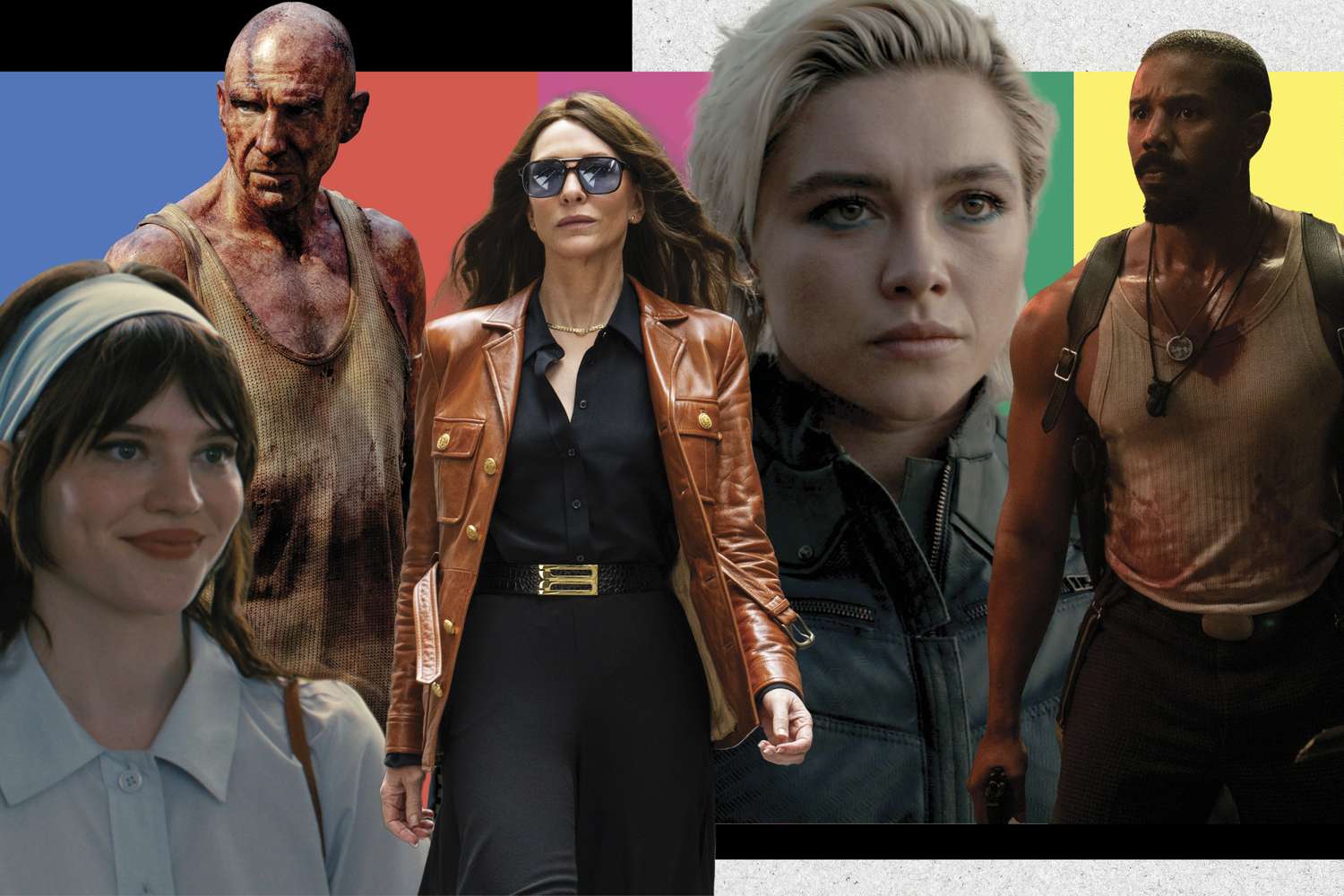
Bold enough to start inside a trapdoor speakeasy, Sinners flickers with candlelit menace, and by the end of its opening scene you already feel the heartbeats of a challenge—what are we still afraid to say out loud about race, music, faith, and monsters?
The camera slides away, and suddenly you’re in the dust-choked alleys of Ramadi. Warfare doesn’t just show war—it makes you taste it, with a desert sun that feels like sand in your throat. “It’s like being someone else’s nightmare,” I whispered to a friend—is that empathy, voyeurism, or both?
In Cannes, Jafar Panahi’s It Was Just an Accident buried its truth beneath layers of repressed vengeance, police-state echo, drowned screams. The Palme d’Or was no surprise—it left us unbearably off-kilter. What does trauma demand of us, when the victim and perpetrator remain unverified?
When Genre Is a Weapon
The halfway point of 2025 is a mirror held up to genres we thought were stale. Vampires in Sinners aren’t elegant aristocrats—they’re hillbilly musicians with rot in their souls and soul in their songs. A war movie like Warfare turns military souvenirs into confessionals; recruits speak in shouts and silence, then swirl in a sonic storm of gunfire. These films don’t recycle tropes—they reshape them into tools.
Ari Aster’s Eddington, arriving soon with Joaquin Phoenix and Emma Stone, weaves pandemic paranoia into a neo-western: a dusty oubliette of neighbor-against-neighbor, where thunderclaps echo more than dialogue. The question it poses? When society fractures, do we mourn or fight?
Beauty in the Blurred Edges
Nothing this year lands gently. Cronenberg conjures love from decay in The Shrouds, while Walter Salles’s I’m Still Here frames matriarchal resilience inside a dictatorship’s silence—voice becomes resistance. Meanwhile, festival darlings like From Ground Zero and Sister Midnight expose ghosts you can’t scroll past—shadows that whisper still. As one letterbox diarist put it, “It didn’t hold your hand… it stayed with you afterward.”
Yet the most unnerving question hangs between these frames: are we watching truth filtered through art—or art mediated by trauma?
We opened with Sinners and find ourselves circling back—the vampire hillbillies sang of freedom and fear, long after we left the theater. In their reverberations lie the unstated chords: will we let these films linger in our conversations, in our nightmares, in our memories? Or will we return to safer stories, pretending we never saw the darkness on screen?
Like a cracked record, the opening note plays again—but this time, it sounds different.




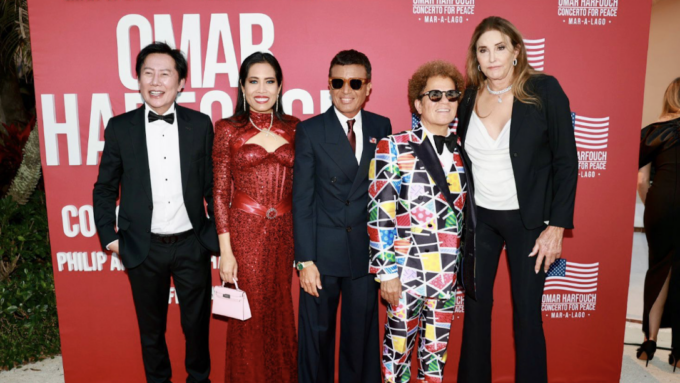
Pianist Omar Harfouch Brings Celebrated Figures Together for a Night of Cultural Exchange – Hollywood Life
Image Credit: Omar Harfouch On February 20, 2026, pianist and cultural figure...
 Kirsten Collins2 Mins read
How Much Money Does She Have Now? – Hollywood Life
Image Credit: WWD via Getty Images Rihanna may be known as one...
Kirsten Collins2 Mins read
Stars Who Slammed ‘Love Story: JFK Jr. & Carolyn Bessette’: Statements – Hollywood Life
Image Credit: Getty Images FX’s Love Story: John F. Kennedy Jr. and...
Kirsten Collins2 Mins read
Find Out Release Date, Cast, Plot Details & More – Hollywood Life
Image Credit: Courtesy of Amazon Freevee After its breakout first season, Jury...
Kirsten Collins2 Mins read





Leave a comment