

“The Colony”: Annika Norlin’s Coolly Devastating Portrait of Solitude, Systems, and the Strange Ways We Reach for Each Other
 Showline ReviewerApril 7, 20252 Mins read55
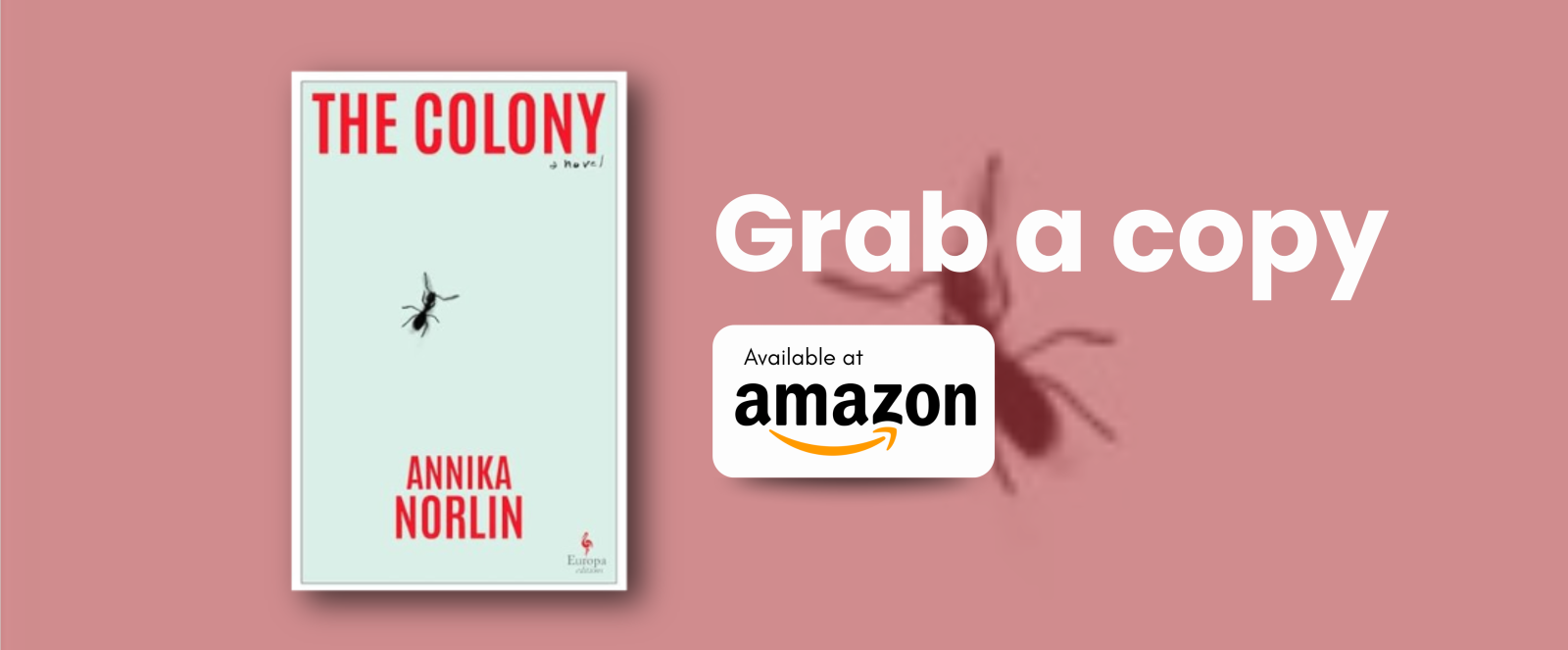
Inside the Quiet: Mapping the Edges of Loneliness in The Colony
It begins with a feeling—a certain northern cold, not just in the weather but in the soul. In The Colony, Annika Norlin builds not a narrative of events but a quiet constellation of people, linked by place, by circumstance, and by their desperate, awkward attempts to belong. This is a novel of emotional drift—people not crashing into one another, but floating past, sending ripples.
The setting is a sparse, unnamed Nordic island repurposed as a government experiment in isolated living. And that premise—a social test with a bureaucratic smile—anchors the story’s delicate existential tilt. But Norlin isn’t interested in the political satire. She’s interested in what happens when people sit too long with themselves. Her characters are off-kilter, oddly endearing, often lost. There’s the woman conducting interviews with imaginary citizens. The man who writes letters to trees. The ones who talk to nobody, or try too hard to talk to everyone. Each chapter feels like a glimpse into a sealed room. Sometimes claustrophobic. Sometimes achingly human.
Norlin’s prose, translated with a featherlight touch, is precise and dry with an undercurrent of melancholy that never turns maudlin. She writes emotional restraint like a musician plays silence—it becomes the melody. The pacing is intentionally meandering, inviting you not to follow a plot, but to inhabit a mood. These aren’t stories built for climaxes. They’re built for recognition. For the feeling when someone says something simple and it lands as truth. “Some of us aren’t lonely,” one character notes, “just unused to being seen.” That’s what this novel captures: people not trying to be saved, just trying to be witnessed.
Symbolism echoes softly throughout—the colony itself becomes a blank slate, a place where ideologies are tested and quietly fray. There are no declarations here, only a slow accumulation of questions. What is community when it’s constructed? What is freedom when there are no rules—but also no intimacy? The emotional weight sneaks up on you, like cold setting in through the floorboards.
Who Should Read This
The Colony is for readers who crave stillness over spectacle. It’s a book for those who delight in stories where nothing explodes, but everything trembles just below the surface. If you loved Olga Dies Dreaming or Weather by Jenny Offill, this will feel like a companion—thoughtful, dryly funny, haunting in its restraint. It’s for the reader who’s felt alone in a crowded room, who’s asked big questions in small moments, and who finds meaning not in declarations, but in quiet observation.
Review Overview
Summary
In The Colony, Annika Norlin drifts through the edges of human connection—unearthing what happens when people seek purpose in isolation, and how communities fracture and reform in the quietest, oddest ways.
- Story Grip7
- Character Connection8
- Writing Vibe9
- Freshness & Meaning9
- World & Mood8
- Heartstrings & Haunting8
- Overall Flow8
- Annika Norlin English debut
- books exploring systems and solitude
- character-driven speculative fiction
- Dissolution novel analysis
- fiction about isolation and community
- offbeat literary fiction
- quirky fiction loneliness
- Scandinavian literary fiction
- The Colony Annika Norlin review
- The Colony novel analysis
- translated Swedish novel 2024







When “107 Days” Meets Outcry: Harris’s Book Tour Interrupted
The microphone crackled to life, and before Harris could finish her opening...
 Chris Marks1 Mins read
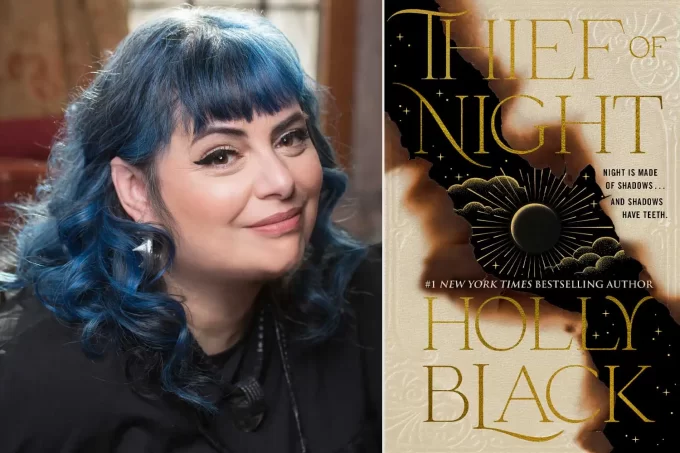
Whispers in the Shadows: Why Holly Black’s Sequel Is a Dark Invitation We Can’t Ignore
The night isn’t just dark—it’s ravenous, greedy, and it’s coming for you....
Chris Marks2 Mins read

Why Stephenie Meyer’s Regret About Edward Changes Everything You Thought You Knew
The moment Stephenie Meyer admitted she wouldn’t pick Edward Cullen today, a...
Chris Marks2 Mins read

When Fear, Fury & Feathers Collide: Cinema, Superheroes, and a Confessional Album
Open with tension—the kind that threads through a scream, a reveal, and...
Chris Marks2 Mins read




Leave a comment