

The Comeback No One Wanted: TB Cases Are Rising Again—Should the U.S. Be Nervous?
Global tuberculosis cases are climbing, and the WHO is sounding alarms. It’s a disease we thought we’d buried—but the data says otherwise. Could the next public health crisis come from the past?
 Kirsten CollinsMarch 28, 20251 Mins read134
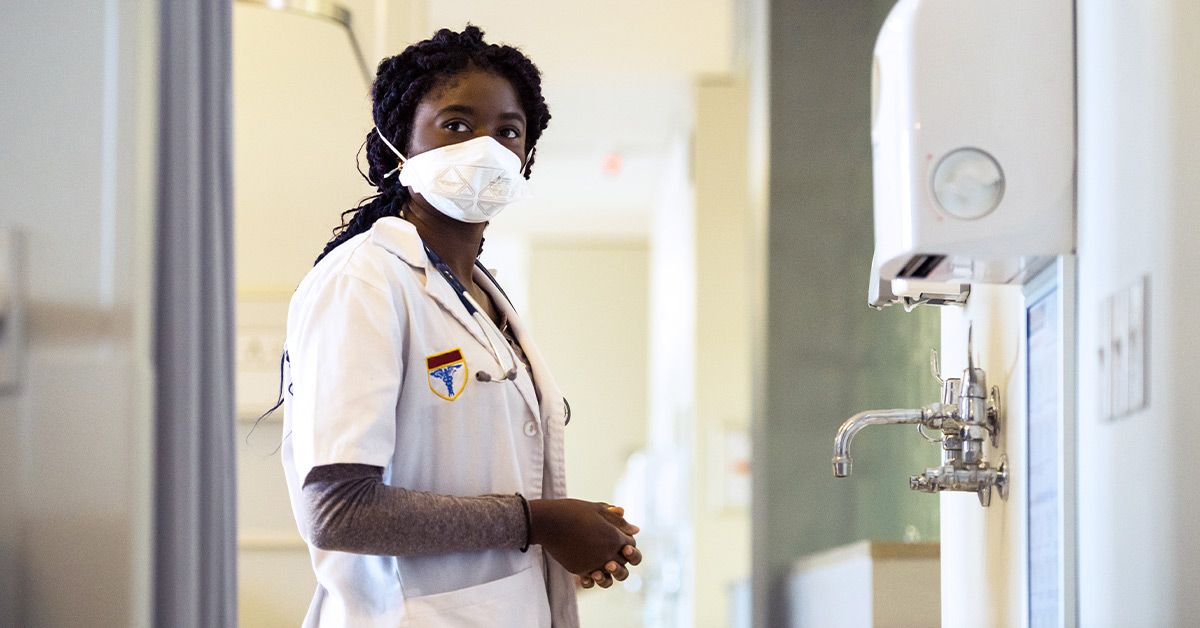
It sounds like a disease from a dusty textbook. Tuberculosis—TB—belongs in sepia-toned sanatoriums and 19th-century novels, not 2025 news cycles. And yet, the World Health Organization is ringing the bell: TB cases are rising globally, and the curve is no longer downward.
In the aftermath of COVID-19, as health systems buckled and surveillance efforts stalled, TB regained ground. Millions of cases went undetected. Treatments lapsed. Drug-resistant strains grew bolder. And now, after years of quiet decline, we’re staring down a potential comeback.
The question isn’t just why. It’s how far will it reach?
From Forgotten to Future Threat
TB never truly disappeared—not globally, and not in the U.S. It just stopped making headlines. In low-income countries, it remained a leading killer. In wealthier nations, it lingered in vulnerable pockets: among immigrants, unhoused populations, and the immunocompromised.
The danger now is layered. Not just in the rising numbers—but in the resistance. Multidrug-resistant TB (MDR-TB) is becoming harder and costlier to treat. And unlike viral outbreaks, TB is slow-moving. It spreads quietly. It settles into lungs, waits, and sometimes simmers for years before surfacing.
That’s what makes it dangerous. It’s not urgent—until it is.
Should the U.S. Worry? Only If It Waits
In the U.S., TB rates are still low—but they’ve stopped falling. Global travel, declining vaccination rates, and uneven healthcare access mean the embers are here, waiting for fuel. And if MDR-TB gets a foothold, our infrastructure may be underprepared for a long fight.
The COVID era taught us how fast complacency can turn into crisis. With TB, the threat is slower—but more insidious. It doesn’t spike. It seeps.
So yes, the U.S. should be concerned—not panicked, but proactive. That means funding diagnostics. Protecting vulnerable populations. Strengthening global collaboration. And above all, remembering that old diseases only stay buried if we keep burying them.
The world let its guard down. TB noticed.







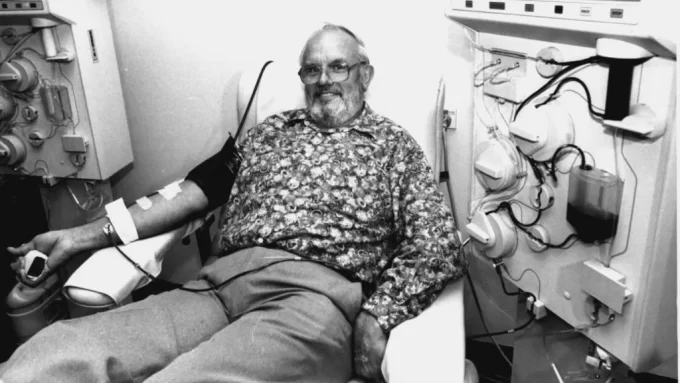
The Man Who Bled for Millions
He saved over 2.5 million babies, but no one ever recognized him...
Kirsten Collins2 Mins read
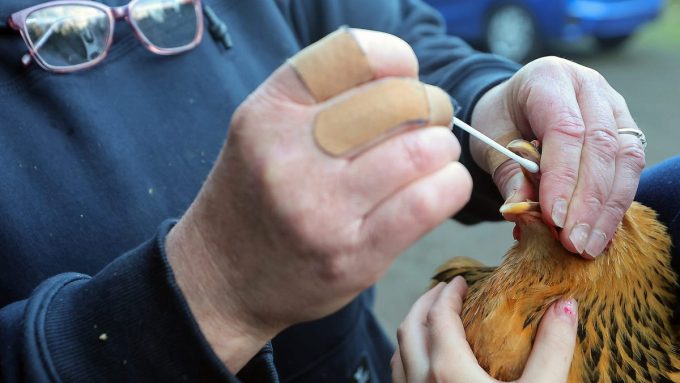
The Silence Before the Sneeze
A dead bird, limp on the edge of a sidewalk in Guangdong,...
Kirsten Collins2 Mins read
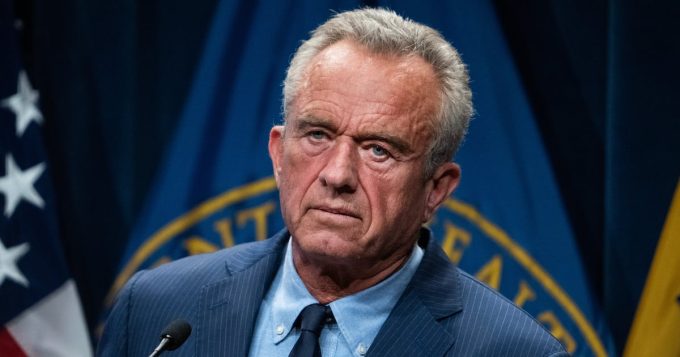
The Fetishization of Fear: RFK Jr. and the Vaccine Fetuses Lie
It begins, as these things always do, with a whisper dressed as...
Kirsten Collins2 Mins read
The Lie That Keeps Mutating
The seduction of scandal is ancient, but its latest host is disturbingly...
Kirsten Collins2 Mins read




Leave a comment