

The Corrections Makes the “Best of the Century” List—But Are We Still Just Pretending to Have Finished It?
Jonathan Franzen’s The Corrections has landed a coveted spot on the “Best Books of the Century” list. But 20+ years later, the novel remains as divisive as ever: a literary masterpiece to some, and a suburban fever dream of dysfunction to others.
 Krista FreelandMarch 31, 20252 Mins read49
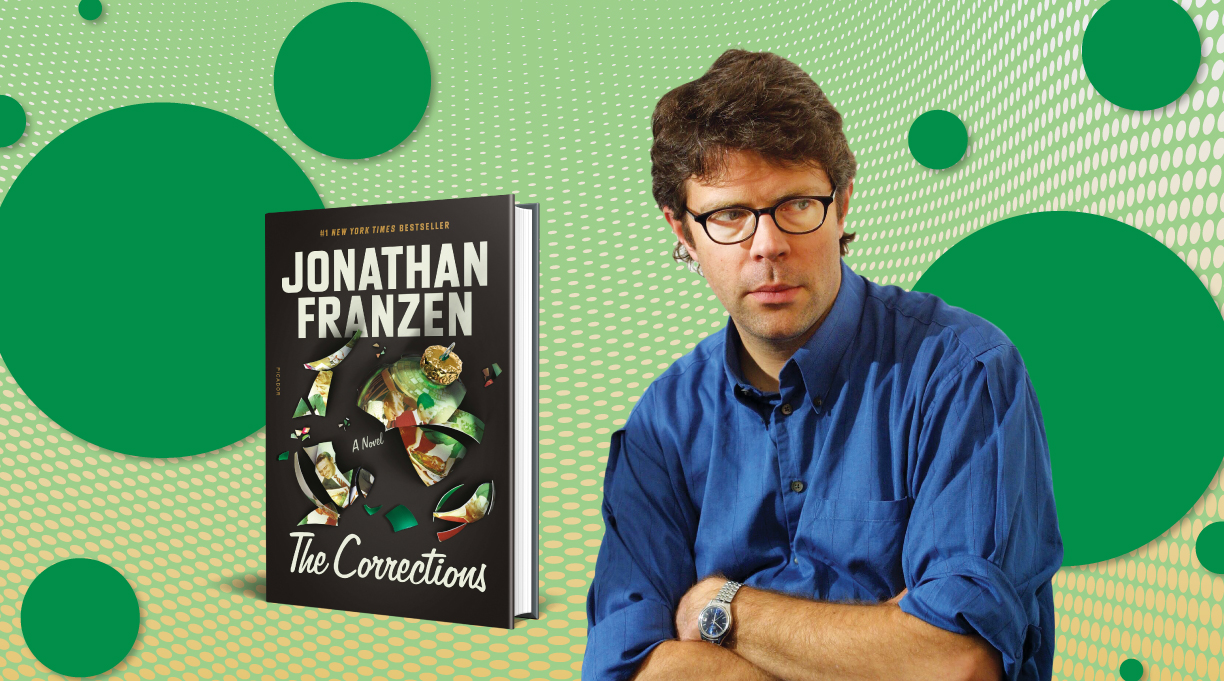
There it is—The Corrections, freshly crowned as one of the best books of the 21st century. Again. A novel that, depending on who you ask, either reshaped modern fiction or became the official mascot of bookshelf guilt.
Jonathan Franzen’s 2001 magnum opus is once more the toast of literary critics. But let’s be real: how many of us have actually read past page 73?
The Dysfunction Heard ’Round the Literary World
At its core, The Corrections is about a Midwestern family unraveling with all the grace of a buffet plate at a therapy session. There’s a patriarch battling Parkinson’s, a mother obsessed with holiday traditions, and adult children who are equal parts brilliant, broken, and emotionally constipated.
The prose is brilliant. The dialogue? Razor sharp. The pacing? Occasionally glacial.
But it’s that very mix—beautiful, brutal, and borderline punishing—that made The Corrections a literary litmus test. Do you love novels that dissect generational trauma under a microscope? Or does this feel like watching Thanksgiving dinner implode for 576 pages?
Franzen: The Writer We Love to Debate
Franzen has always been the poster boy for Serious Literary Fiction™. He’s polarizing, precise, and perpetually allergic to Twitter trends. And The Corrections is arguably his most dissected work—a novel that won the National Book Award, sparked Oprah Book Club drama, and gave birth to countless think pieces titled things like “Why I Threw The Corrections Across the Room at Page 212.”
One iconic quote from the novel sums it up best:
“The more you looked at the world, the more you knew you didn’t understand it.”
Same, honestly.
Best of the Century—or Just Best at Making Us Feel Inadequate?
There’s no denying The Corrections was ahead of its time—smartphones weren’t even ruining family dinners yet! But today, it reads like a time capsule of American anxiety before the algorithm took over.
So, does it belong on the “Best of the Century” list? Sure. But so does a warning label: “Not for readers craving comfort or closure.”
It’s literature with a capital L—and unapologetically so.
Final Chapter Glance
As The Corrections returns to the spotlight, we’re once again forced to confront our literary insecurities. Is this book brilliant, or just brilliantly difficult? Do we admire it… or endure it?
Or maybe the real correction we need is finally admitting: We never finished it—but we definitely highlighted a few passages.




When “107 Days” Meets Outcry: Harris’s Book Tour Interrupted
The microphone crackled to life, and before Harris could finish her opening...
 Chris Marks1 Mins read
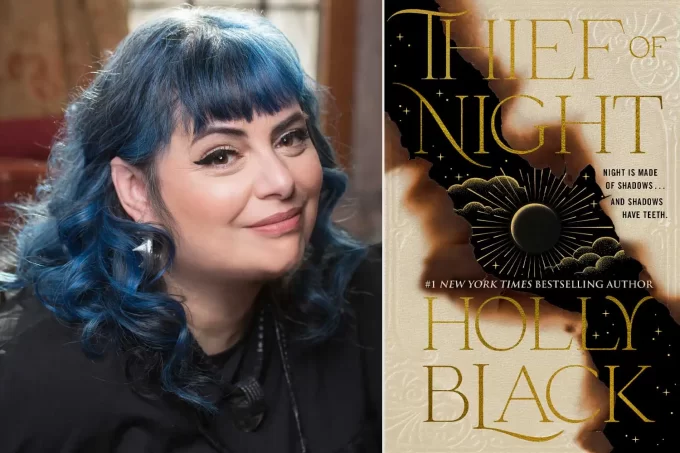
Whispers in the Shadows: Why Holly Black’s Sequel Is a Dark Invitation We Can’t Ignore
The night isn’t just dark—it’s ravenous, greedy, and it’s coming for you....
Chris Marks2 Mins read
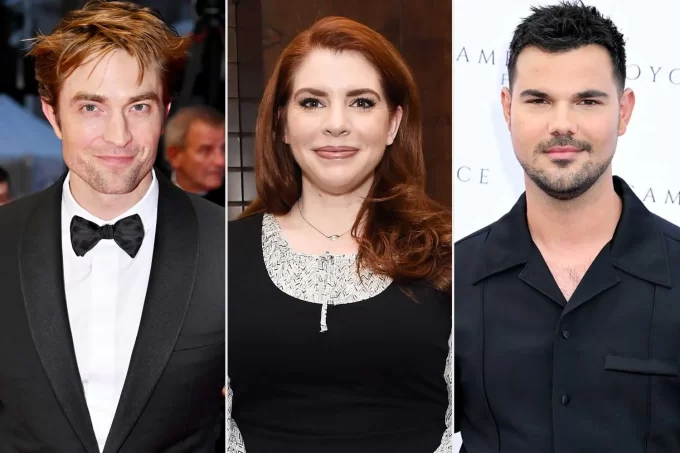
Why Stephenie Meyer’s Regret About Edward Changes Everything You Thought You Knew
The moment Stephenie Meyer admitted she wouldn’t pick Edward Cullen today, a...
Chris Marks2 Mins read
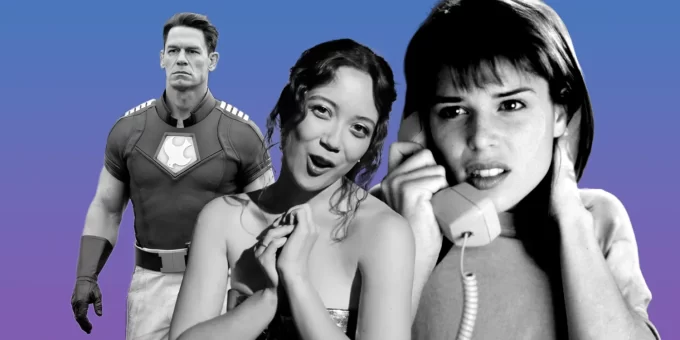
When Fear, Fury & Feathers Collide: Cinema, Superheroes, and a Confessional Album
Open with tension—the kind that threads through a scream, a reveal, and...
Chris Marks2 Mins read




Leave a comment