

The Cost of Chaos: How Trump’s Trade Threats Are Shaping—and Shaking—the Global Economy
Donald Trump’s relentless trade threats may play well on the campaign trail, but their real-world impact is eroding confidence, warping supply chains, and pushing global markets into a permanent state of unease.
 Krista FreelandMarch 25, 20251 Mins read85
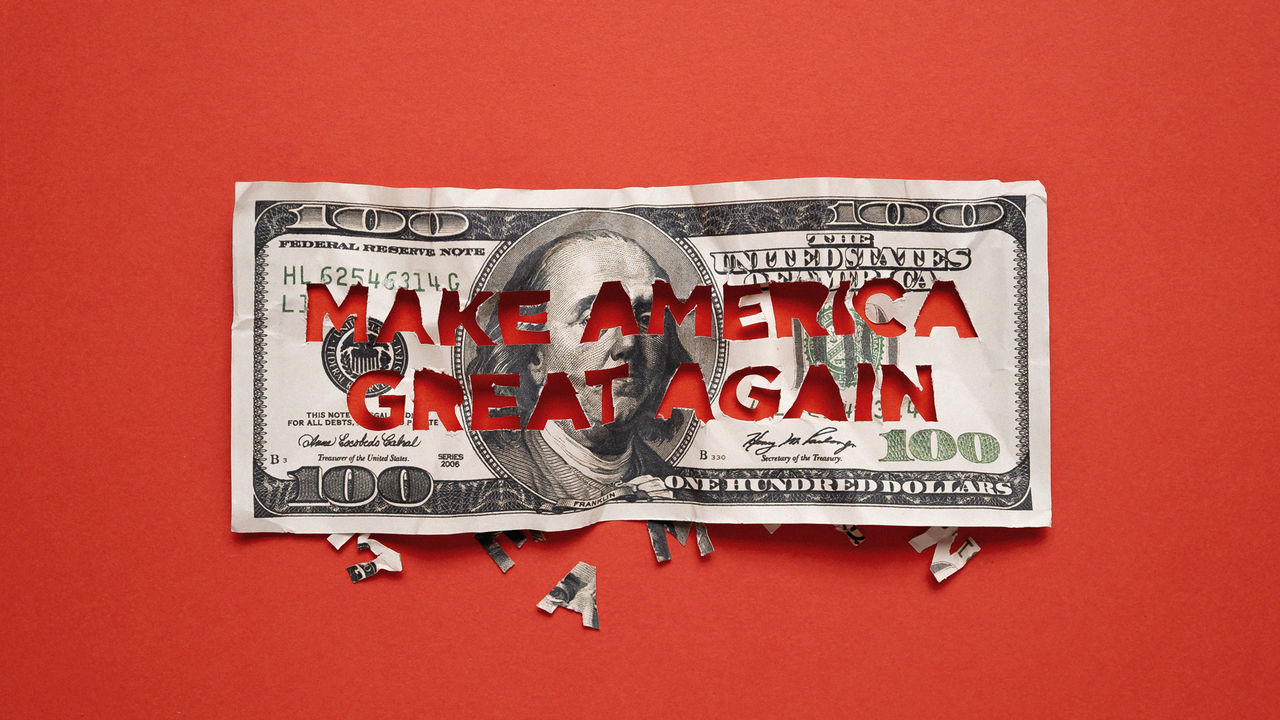
The threat doesn’t have to materialize to do damage. In the Trumpian version of trade policy, the possibility of tariffs—whispered, tweeted, or screamed at rallies—is often more potent than the policy itself. And for global markets, that ambiguity isn’t strategy. It’s destabilization.
Since reemerging on the political stage, Donald Trump has once again made trade his blunt-force weapon of choice. No sector, partner, or country is safe from sudden condemnation or threatened tariffs. One week it’s Chinese EVs, the next it’s European steel, and then—almost inevitably—Mexico. The targets may change, but the message is consistent: America will punish before it negotiates.
Market Jitters, Permanent Edition
What used to be considered saber-rattling is now a consistent drumbeat. And the markets? They’re listening. The S&P 500 wobbles not just on interest rate speculation but on the echo of Trump’s threats. Currency markets shake. CEOs flinch. Supply chains—already weary from pandemics and war—brace for yet another round of “what ifs.”
“Policy unpredictability is the new inflation,” remarked one London-based economist. “You can hedge against interest rates. You can’t hedge against a tweet.”
And therein lies the cost. Investment delays. Cross-border hesitance. Allies second-guessing. The calculus for doing business with America becomes murky when the rules aren’t written in law—but in mood.
Power or Posturing?
But what does Trump actually want? Leverage, certainly. Applause, always. Results? That’s murkier. His supporters see strength. His critics see volatility. What’s undeniable is that the uncertainty is by design. In this worldview, instability isn’t a flaw—it’s a feature. It keeps rivals off-balance and voters engaged.
Yet the global economy is built on predictability. On norms. On timelines longer than election cycles. And Trump’s trade brinkmanship burns through diplomatic capital like dry tinder.
As businesses hold back, partners hedge their bets, and the global center of economic gravity subtly tilts eastward, the question deepens—not just about Trump’s tactics, but about the lasting damage.
At what point do trade threats stop being strategy and start becoming self-sabotage?
Maybe we’ve already crossed it. And maybe we won’t know the true cost until the shouting finally stops.






How Much Will Trump’s Policies Really Cost Wall Street?
When Donald Trump first took office, his policies were sold as a...
 Kirsten Collins2 Mins read

Milken 2025: The Party of the Rich, Amid a World Falling Apart
The night was electric in a way that only a private, star-studded...
 Joseph Bennett3 Mins read

Buffett, Cook, and the Quiet War for America’s Soul
There was a moment, barely a second long, when Warren Buffett’s smile...
Joseph Bennett3 Mins read
The Deception Behind the Deal: How Bait-and-Switch Pricing Is Shaping Our Desires
It’s the perfect price—a promise of a deal that seems too good...
Joseph Bennett3 Mins read





Leave a comment