

The Court, the Clinic, and the Crossroads: What’s Really at Stake in the Supreme Court’s Medicaid Ruling on Planned Parenthood
The Supreme Court is weighing whether states can cut Medicaid funding to Planned Parenthood—and beneath the legal jargon lies a national reckoning over rights, healthcare, and political control.
 Kirsten CollinsApril 3, 20251 Mins read112
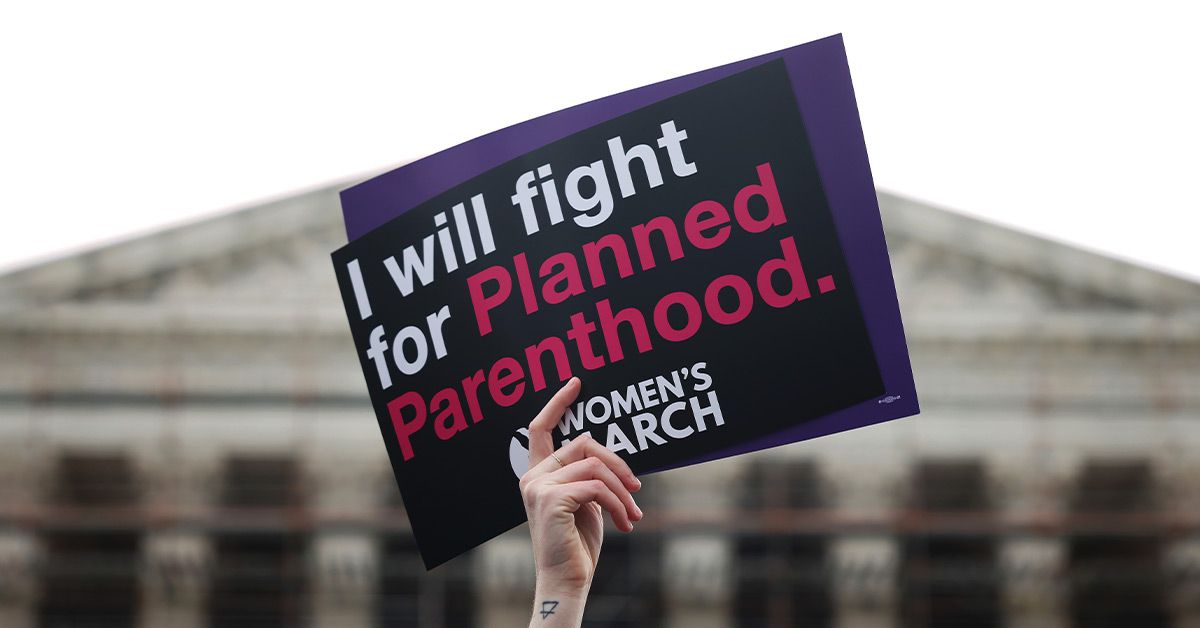
In a decision that could redraw the map of reproductive access in America, the U.S. Supreme Court is deliberating whether states can legally cut off Medicaid funding to Planned Parenthood. On paper, it’s a technical debate about states’ rights and federal funding. In reality, it’s a flashpoint—a lit match tossed into a country already bracing under the weight of Roe’s reversal and the expanding war on bodily autonomy.
The implications are seismic: not just for abortion care, which Medicaid doesn’t fund in most cases anyway, but for the routine, essential health services—cancer screenings, STI tests, birth control access—that Planned Parenthood provides to millions of low-income patients.
A Legal Question With a Political Pulse
The case turns on a deceptively simple question: Can states decide who qualifies as a “qualified Medicaid provider”? Several conservative-led states say yes—and have used that interpretation to exclude Planned Parenthood from their Medicaid programs, arguing moral objections to the organization’s abortion work.
Planned Parenthood, and the patients it serves, say no—that such exclusions violate federal Medicaid law, which guarantees patient choice among qualified providers. Lower courts are split. Now, it’s up to SCOTUS to untangle whether ideological objections can override access to care.
And if they say yes? It’s open season for states to cut not just funding, but fundamental access—pushing vulnerable populations further into healthcare deserts.
Beyond the Courtroom, a Crisis of Care
For many Americans—particularly young people, people of color, rural residents, and the uninsured—Planned Parenthood is the only game in town. To lose it isn’t symbolic. It’s logistical. It’s medical. It’s personal.
And while the case won’t ban abortion outright, it may make accessing any kind of reproductive care a privilege of geography and politics. A new form of inequality—this time, spelled out in court filings.
As the Court debates statutory language and jurisdiction, millions wait—not just for a ruling, but for a signal: Will healthcare remain a protected right? Or will it be carved up by political will?
- abortion access and Medicaid
- court
- Cut
- Deciding
- defund Planned Parenthood
- healthcare access and law
- legal battle reproductive health
- Medicaid
- Medicaid and reproductive rights
- Medicaid state rights
- Parenthood
- Planned
- Planned Parenthood funding 2025
- Planned Parenthood lawsuit
- reproductive justice news
- SCOTUS healthcare ruling
- Supreme
- Supreme Court Planned Parenthood case
- US Supreme Court Medicaid decision






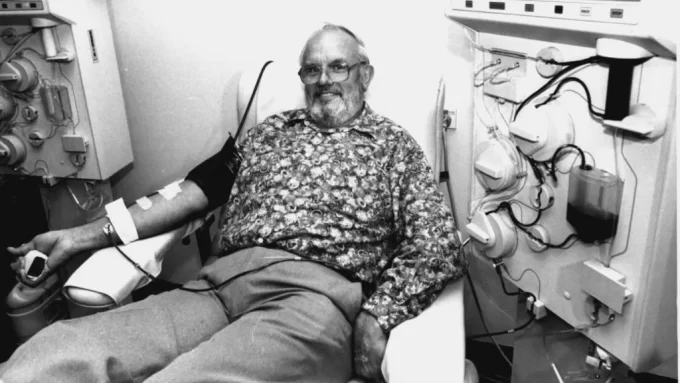
The Man Who Bled for Millions
He saved over 2.5 million babies, but no one ever recognized him...
Kirsten Collins2 Mins read

The Silence Before the Sneeze
A dead bird, limp on the edge of a sidewalk in Guangdong,...
Kirsten Collins2 Mins read
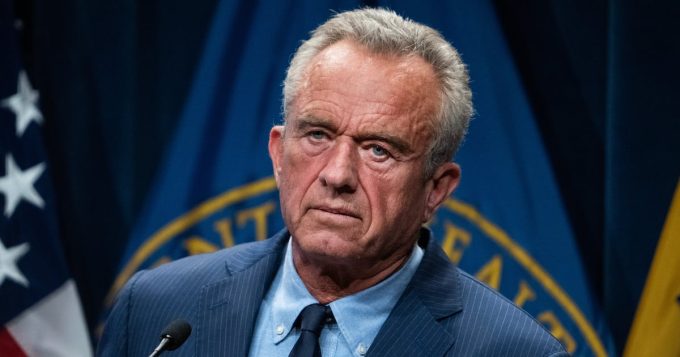
The Fetishization of Fear: RFK Jr. and the Vaccine Fetuses Lie
It begins, as these things always do, with a whisper dressed as...
Kirsten Collins2 Mins read
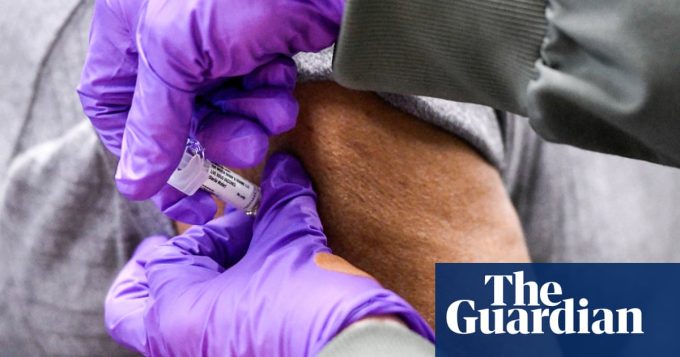
The Lie That Keeps Mutating
The seduction of scandal is ancient, but its latest host is disturbingly...
Kirsten Collins2 Mins read





Leave a comment