

The Diddy Conviction: When Fame Meets the Final Hour
In a stunning twist, Sean “Diddy” Combs was convicted mere hours after the trial’s close—raising urgent questions about justice, celebrity, and the court of public opinion. What truly lies beneath this swift verdict?
 Chris MarksJuly 2, 20251 Mins read14
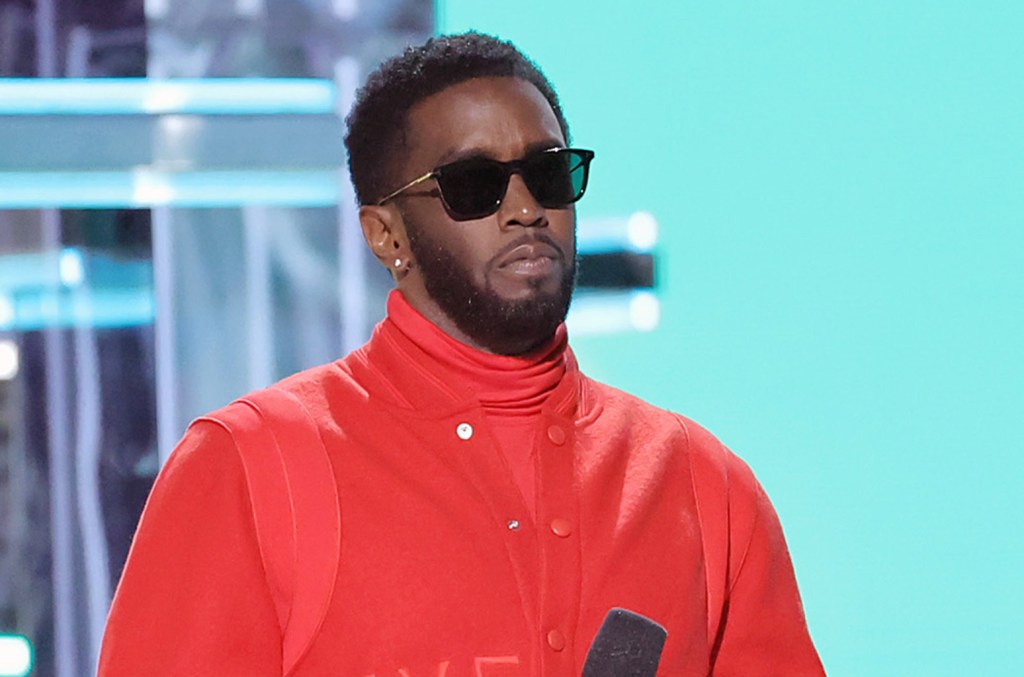
The courtroom clock barely had time to reset before the gavel came down—conviction pronounced in hours, a verdict that seemed to echo louder than the facts themselves. Sean “Diddy” Combs, a name synonymous with glamour and power, now finds himself entangled in a narrative where the law intersects with legend. But how does justice move so swiftly when the stakes feel so painfully slow?
There’s an uneasy tension in the air: the rush to judgment juxtaposed with the painstaking deliberation we expect from a system designed to be fair. Is this speed a triumph of truth or a blur that obscures nuance? And in the glare of celebrity, is justice being served—or is it performing for the cameras?
Justice in the Spotlight
The question isn’t just about guilt or innocence—it’s about the spectacle of it all. When a cultural titan like Diddy faces the law, the courtroom transforms into a theater. Every word, every silence, every glance is magnified beyond its intent. Yet, beneath this veneer of drama lies a deeper worry: does celebrity status accelerate verdicts, or complicate them beyond repair?
“Justice felt like it was moving faster than the truth,” a source close to the trial hinted. This notion of velocity—conviction coming just hours after closing arguments—forces us to rethink our assumptions. Is rapid judgment a sign of clarity, or a symptom of an impatience we can’t quite afford?
The Weight Behind the Headlines
In this moment, the public is left to grapple not just with the facts, but with their implications. What does a conviction mean in the world of high-profile icons where image is currency and reputation can be the most fragile asset? And more hauntingly—who pays the price when the spotlight dims?
The swift verdict challenges us to peer behind the headlines and wonder: Are we witnessing a legal reckoning, or a cultural crucible burning too fast? Because sometimes, the loudest statement is made not by the verdict itself—but by the space it leaves for doubt.






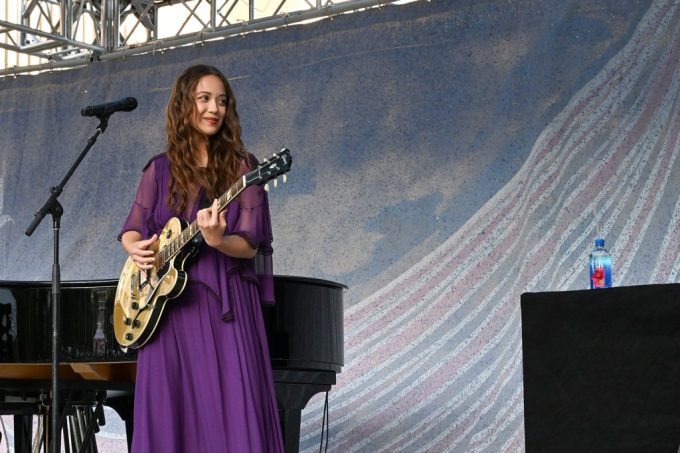
Laufey’s Opening Night Show at LA’s Crypto.com Arena: Best Moments
Laufey opened a two-night stand at Crypto.com Arena in downtown Los Angeles...
Chris Marks6 Mins read

Julie Adam Is Billboard Canada Women in Music’s 2025 Exec of the Year
Julie Adam is having a milestone year — and it’s getting even...
Chris Marks4 Mins read
Spinal Tap Tribute Album with Foo Fighters,Tool for Teen Cancer America
Spinal Tap may be a fake band, but its music is very...
Chris Marks2 Mins read

AxMxP Is K-Pop Rookie of the Month for September: Exclusive Photos
Ha Yoo Joon Image Credit: Chin Soyeon You debuted on Sept. 10....
Chris Marks2 Mins read




Leave a comment