

The Electric State: A Journey Through Nostalgia and Innovation
In a world where past and future collide, Millie Bobby Brown and Chris Pratt lead us through a retro-futuristic odyssey that challenges our perceptions of reality and technology.
 Kirsten CollinsMarch 14, 20251 Mins read157
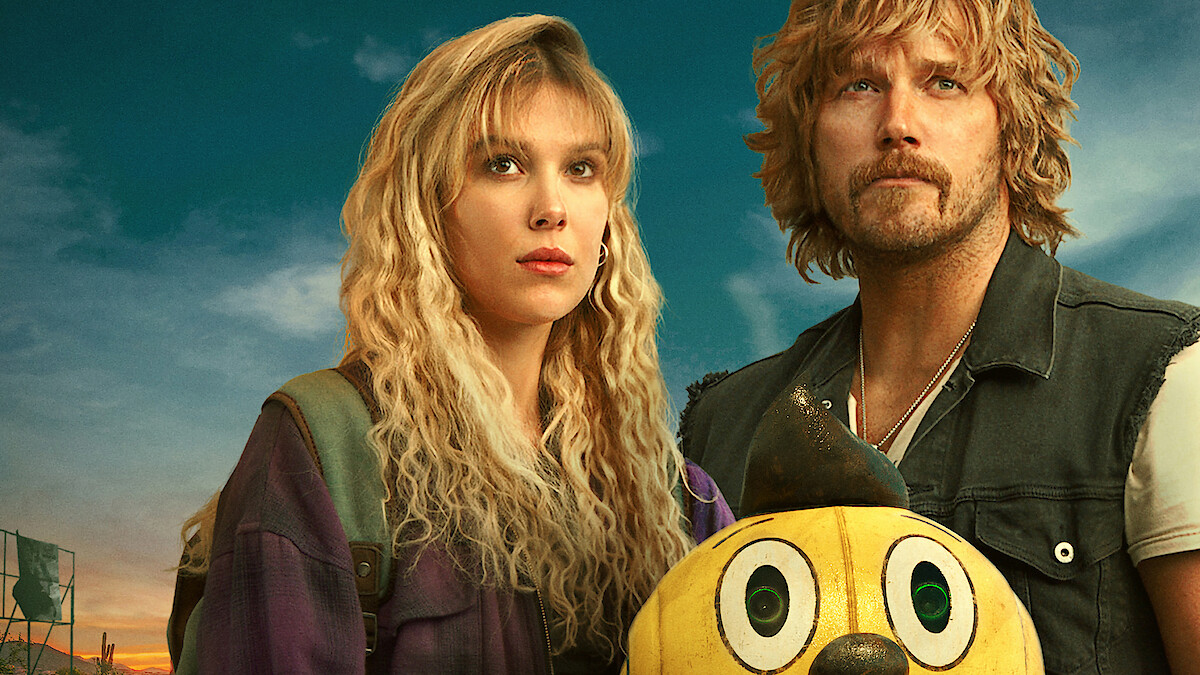
A desolate highway stretches into the horizon, flanked by remnants of a bygone era—abandoned billboards, rusting automobiles, and the eerie silhouettes of dormant robots. This is the backdrop of The Electric State, where the familiar aesthetics of the 1990s intertwine with a future that never was. Millie Bobby Brown embodies Michelle, an orphaned teenager navigating this fragmented landscape in search of her brother, accompanied by a robot named Cosmo. Chris Pratt’s Keats, a smuggler with murky intentions, joins their quest, blurring the lines between ally and adversary.
Echoes of a Bygone Future
The film’s universe is a paradox—a retro-futuristic tableau where sentient machines, once integrated into daily life, now exist in exile following a failed uprising. The Russo brothers craft a narrative that oscillates between the charm of nostalgia and the disquiet of technological overreach. Yet, one wonders: does this amalgamation serve as a poignant reflection or merely a pastiche of influences?
A Tapestry of Talent and Technology
Beyond its leads, the film boasts a constellation of talent: Ke Huy Quan as the enigmatic Dr. Amherst, Giancarlo Esposito lending his gravitas to Colonel Bradbury, and Stanley Tucci portraying the elusive Ethan Skate. The auditory landscape is enriched by voices like Anthony Mackie and Woody Harrelson, breathing life into the robotic entities. Despite this ensemble, the film grapples with the challenge of balancing spectacle with substance. As the narrative unfolds, viewers are left to ponder the authenticity of its emotional core amidst the visual grandeur.
As the credits roll, the audience is left at a crossroads between admiration for the film’s ambition and contemplation of its execution. In melding the relics of the past with visions of the future, The Electric State invites us to question: in our relentless pursuit of progress, are we merely reconstructing echoes of what once was?


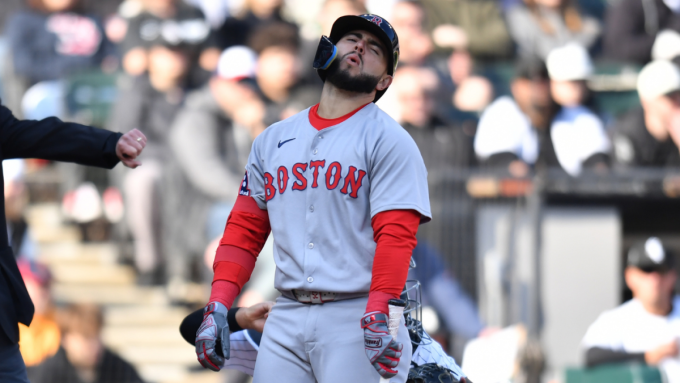




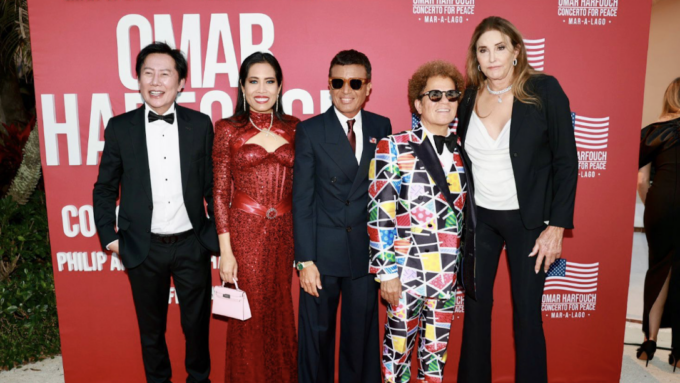
Pianist Omar Harfouch Brings Celebrated Figures Together for a Night of Cultural Exchange – Hollywood Life
Image Credit: Omar Harfouch On February 20, 2026, pianist and cultural figure...
Kirsten Collins2 Mins read
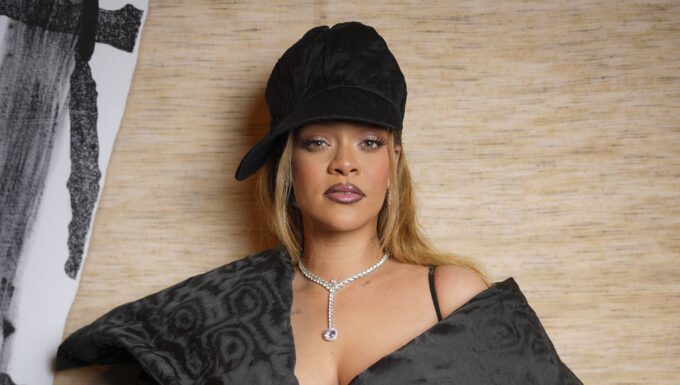
How Much Money Does She Have Now? – Hollywood Life
Image Credit: WWD via Getty Images Rihanna may be known as one...
Kirsten Collins2 Mins read
Stars Who Slammed ‘Love Story: JFK Jr. & Carolyn Bessette’: Statements – Hollywood Life
Image Credit: Getty Images FX’s Love Story: John F. Kennedy Jr. and...
Kirsten Collins2 Mins read
Find Out Release Date, Cast, Plot Details & More – Hollywood Life
Image Credit: Courtesy of Amazon Freevee After its breakout first season, Jury...
Kirsten Collins2 Mins read





Leave a comment