

The Fever Beneath Our Feet
As the planet heats, so do our bodies—and yet, we still separate climate from care. But what if our hospitals, lungs, and hearts are already caught in the crossfire of a warming world?
 Kirsten CollinsMarch 9, 20252 Mins read33
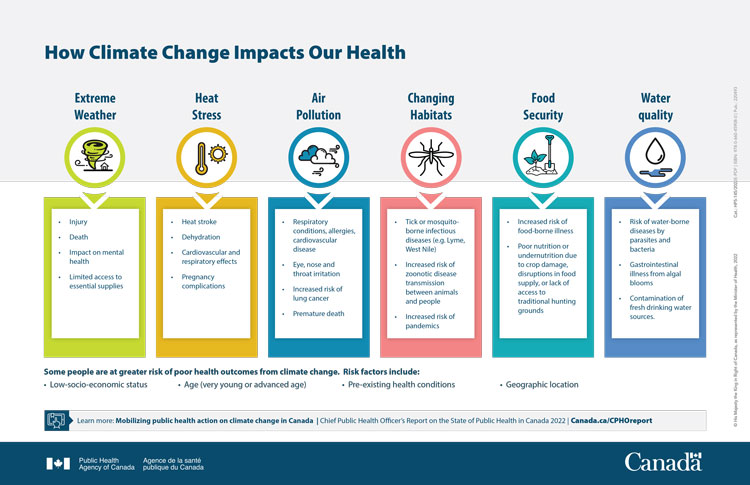
The body doesn’t lie—but we’ve trained ourselves not to listen. In Calgary, during an unusually warm March, a room full of health professionals, scientists, and climate strategists gathered at the Alberta Summit with one unsettling premise: what if the climate crisis is already a health emergency, and we’ve simply failed to diagnose it?
They weren’t there to argue science. That battle’s been won, lost, and won again. They were there to break a cultural silence. Because despite rising ER visits during heatwaves, wildfire smoke clogging children’s lungs, and diseases migrating across once-frozen latitudes, climate action has rarely put health on the frontlines. And still—still—there’s hesitation. Why?
When the Wind Carries Illness
Think of it: we measure the air’s carbon, but not the inflammation it causes in a child’s throat. We track sea level rise, but not the rise in anxiety gripping a farmer watching his crops fail again. There’s something clinical—dare we say, cold—in the way we’ve divorced the body from the environment, as if skin is a wall rather than a membrane.
The World Health Organization has already called it out: climate change is the single biggest health threat humanity faces. But what’s insidious is how invisible that threat remains. You don’t always feel the fever, not until the blackout hits during a heatwave and your inhaler won’t work without power. “We need to stop treating climate as a silo,” one health advocate said during the summit, “and start treating it like a symptom.” Of what? Of a society that doesn’t know how to connect its own systems—economic, political, biological—until they collapse.
This House Has No Air
There’s a quiet horror in knowing that the very places meant to heal us—hospitals—are often powered by the same fossil fuels worsening the illness. In 2023, over 10 million premature deaths were linked to pollution-related diseases. Is it any wonder that respiratory wards are full when wildfire smoke travels further each summer? That mental health crises spike as disasters become monthly headlines? Our world is burning, yes—but what’s more terrifying is how normal it’s beginning to feel.
And what of justice? Vulnerable communities—Indigenous, rural, impoverished—bear the brunt of this burden. Yet their stories, their symptoms, are too often footnotes. Health is not just the absence of disease. It’s the presence of dignity, of clean water, of breathable air. If climate justice means anything, it must start with the body.
But perhaps that’s why it’s so hard to face. The planet isn’t just warming—it’s warning. And we may not like what it’s telling us.
There’s a moment, late at night, when the hospital hum quiets and all you can hear is breath. Imagine that sound carrying across continents, oceans, forests on fire. What if climate change isn’t a crisis waiting in the wings—but a cough, already echoing in the room?







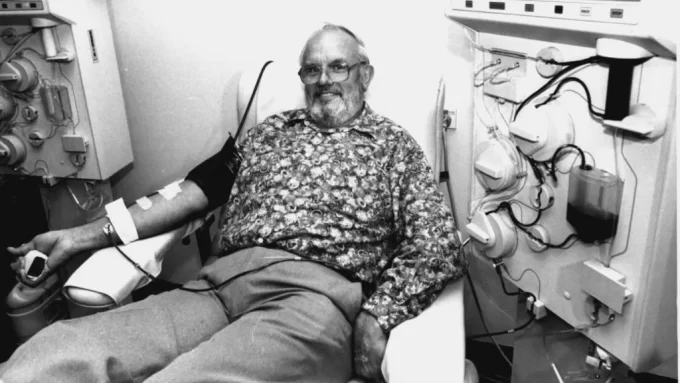
The Man Who Bled for Millions
He saved over 2.5 million babies, but no one ever recognized him...
Kirsten Collins2 Mins read
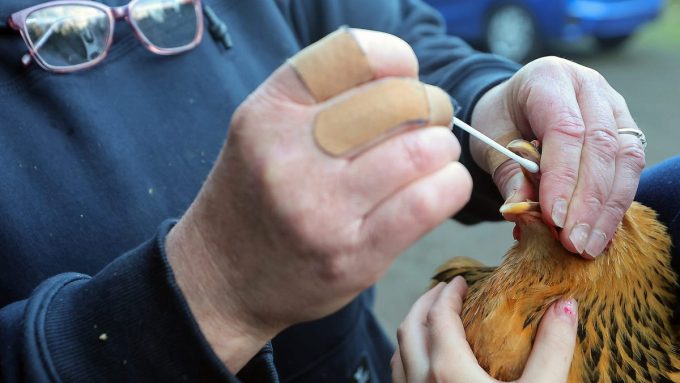
The Silence Before the Sneeze
A dead bird, limp on the edge of a sidewalk in Guangdong,...
Kirsten Collins2 Mins read
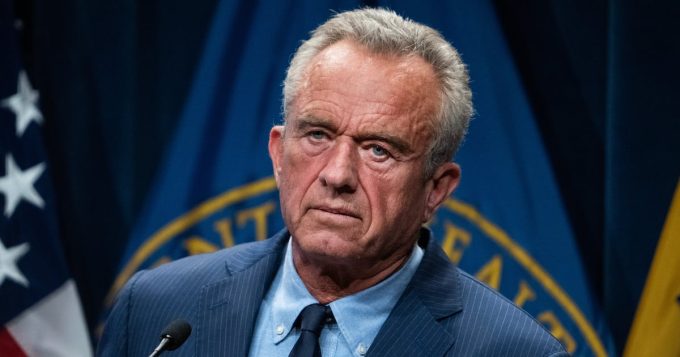
The Fetishization of Fear: RFK Jr. and the Vaccine Fetuses Lie
It begins, as these things always do, with a whisper dressed as...
Kirsten Collins2 Mins read
The Lie That Keeps Mutating
The seduction of scandal is ancient, but its latest host is disturbingly...
Kirsten Collins2 Mins read





Leave a comment