

The Future Is Burning: 7 Climate Fiction Finalists You Need to Read Before It’s Too Late
The finalists for the Climate Fiction Prize are in—and they’re not whispering warnings. They’re howling. These books don’t just imagine environmental collapse—they make you feel it in your lungs.
 Krista FreelandMarch 19, 20252 Mins read147
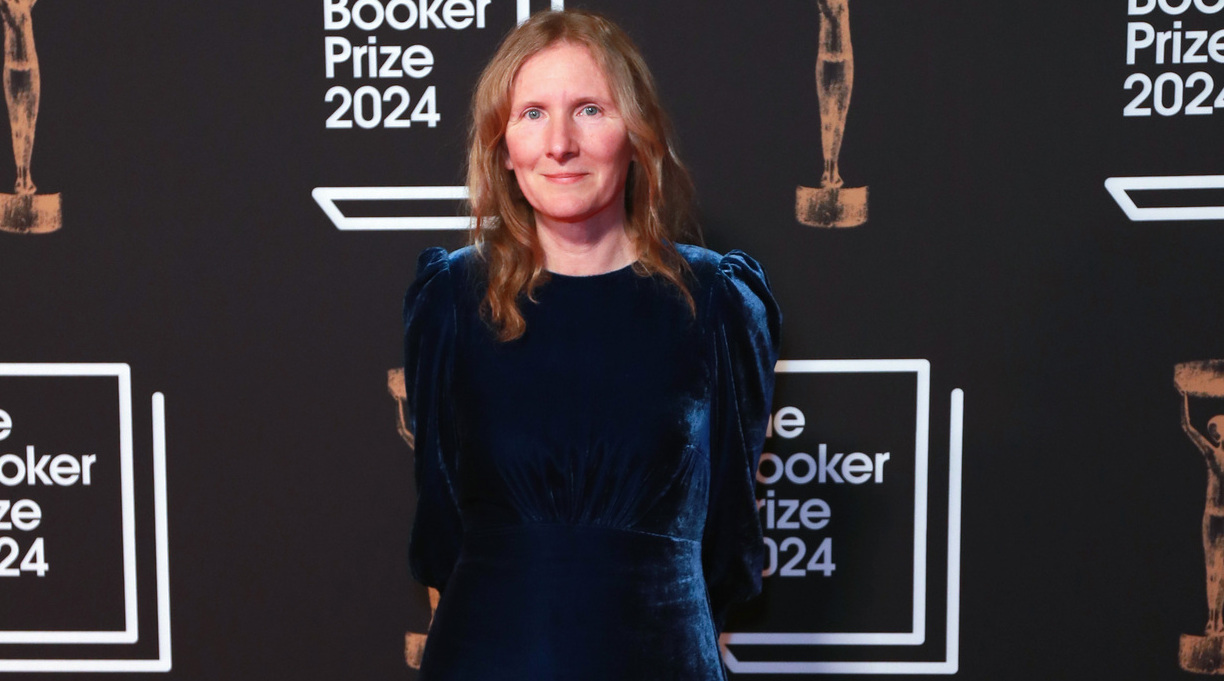
We are long past the point where stories about the climate are metaphors. These books don’t warn—they witness. They aren’t speculative anymore—they’re prophetic. The finalists for the Climate Fiction Prize have been revealed, and every title feels less like a novel and more like a flare shot into the night sky. If literature has a role in this age of fire and flood, it’s to name what politics won’t and scream what science has already shown.
The seven works on this list don’t offer easy heroes or fixable endings. They offer worlds already frayed—some beautifully, some barely breathing—and ask whether we’ll keep watching the water rise or finally start swimming toward each other.
When the Earth Speaks in Fictional Tongues
1. The Morningside by Téa Obreht
Obreht’s return is as lyrical as it is devastating. Set in a not-so-distant America grappling with drought and divided borders, it follows a mother and daughter caught in a slow-motion collapse. Obreht doesn’t rely on spectacle—her apocalypse comes with dust, silence, and the eerie intimacy of watching your garden turn to bone. “It’s not the heat that kills you,” a character mutters. “It’s how long it stays.”
2. And So I Roar by Bethany Reed
This novel reads like a thunderstorm made of prose. Reed follows a climate refugee turned activist-poet, whose viral verses spark a revolution—and a reckoning. It’s both an ode to language and a brutal examination of its limits. Reed’s characters don’t just endure the end—they document it in real time.
3. The Salt Between Us by Karim Sadjadi
A deeply sensual, sea-soaked novel about a romance unraveling as the coastline erodes. Sadjadi’s sentences shimmer with salt and sorrow, exploring the emotional toll of land loss in a Persian Gulf village swallowed by tides. You don’t read this one—you dissolve in it.
4. Nest by Marina Ouyang
An eerily quiet, birdless future. Ouyang crafts a dystopia where nature is monitored by drones and memory is archived, not felt. Her protagonist—a former ornithologist turned corporate memory-cleanser—discovers that grief for extinct species is a form of rebellion. This is climate fiction through a lens of intimacy and surveillance.
The Fire Under the Page
5. Kingdom of Wind by Yusuf El-Khatib
A sprawling, wind-swept narrative set in North Africa, where communities build kinetic cities powered by desert storms. El-Khatib combines ancient myth and bleeding-edge tech in a story that’s as hopeful as it is harrowing. One critic called it “Dune without the imperial gaze.” And honestly? They’re not wrong.
6. Green Glass by Noelle Albaro
Imagine Station Eleven with solar panels. Albaro’s lush, post-grid tale of a traveling theater troupe performing plays to barter for food, shelter, and medicine is equal parts survival and ritual. Each performance reimagines the past, forcing towns to reckon with the present they can no longer deny.
7. The Last Archive by Seung-ho Park
Set in a drowned Seoul, Park’s novel unfolds like a digital palimpsest—encrypted memories, underwater libraries, and monks who guard truth like relics. It’s haunting and cerebral, but also breathtaking in its scale. Park doesn’t ask whether we’ll survive. He asks whether we’ll remember.
Together, these finalists prove that climate fiction isn’t a genre—it’s a mirror. The reflection isn’t flattering, but it’s necessary. Because as the waters rise, the forests burn, and the sky turns strange, we’ll need stories not just to escape—but to wake up.
The only question left is: will we read them in time?




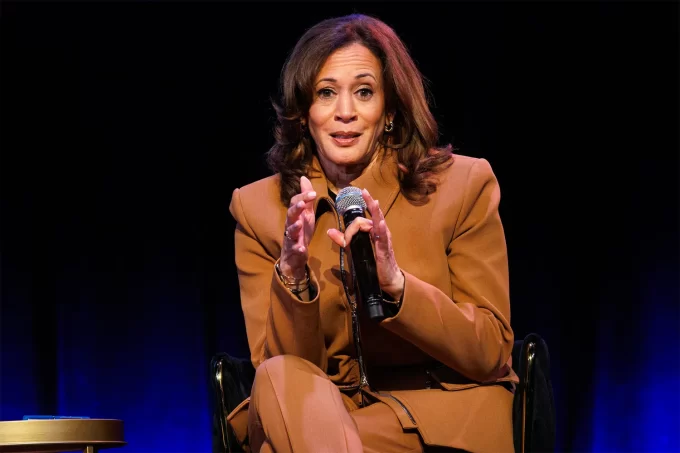
When “107 Days” Meets Outcry: Harris’s Book Tour Interrupted
The microphone crackled to life, and before Harris could finish her opening...
 Chris Marks1 Mins read
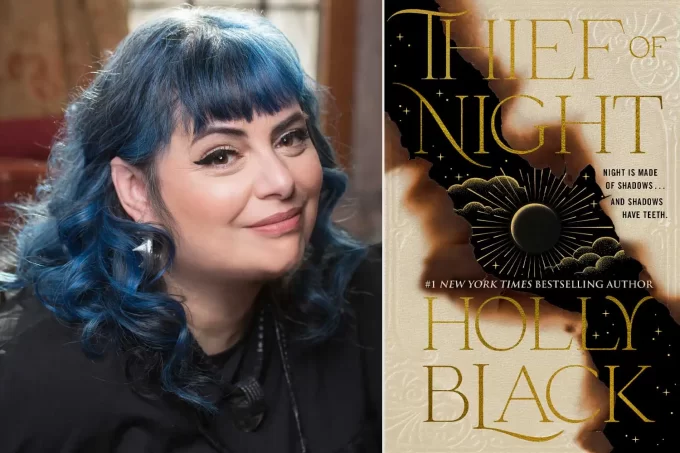
Whispers in the Shadows: Why Holly Black’s Sequel Is a Dark Invitation We Can’t Ignore
The night isn’t just dark—it’s ravenous, greedy, and it’s coming for you....
Chris Marks2 Mins read
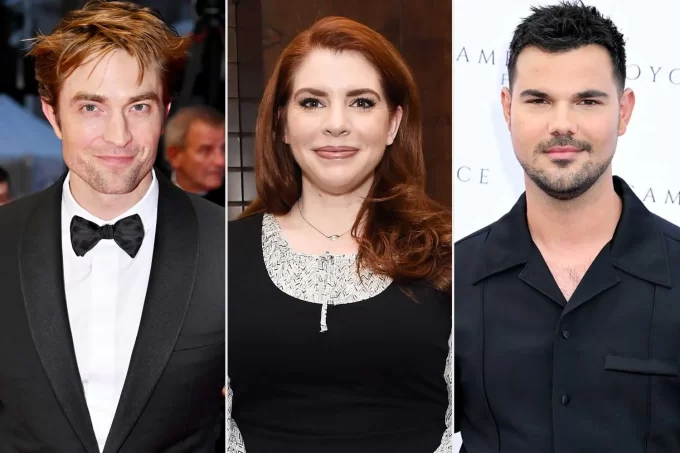
Why Stephenie Meyer’s Regret About Edward Changes Everything You Thought You Knew
The moment Stephenie Meyer admitted she wouldn’t pick Edward Cullen today, a...
Chris Marks2 Mins read
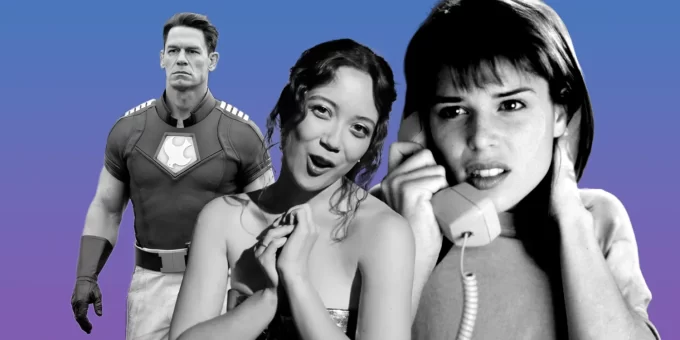
When Fear, Fury & Feathers Collide: Cinema, Superheroes, and a Confessional Album
Open with tension—the kind that threads through a scream, a reveal, and...
Chris Marks2 Mins read



Leave a comment