

The Flamingo’s Gaze: A Silent Rebellion at Cannes
At the 2025 Cannes Film Festival, Diego Céspedes' The Mysterious Gaze of the Flamingo premiered in the Un Certain Regard section, captivating audiences with its enigmatic narrative and symbolic depth.
 Joseph BennettMay 16, 20251 Mins read37
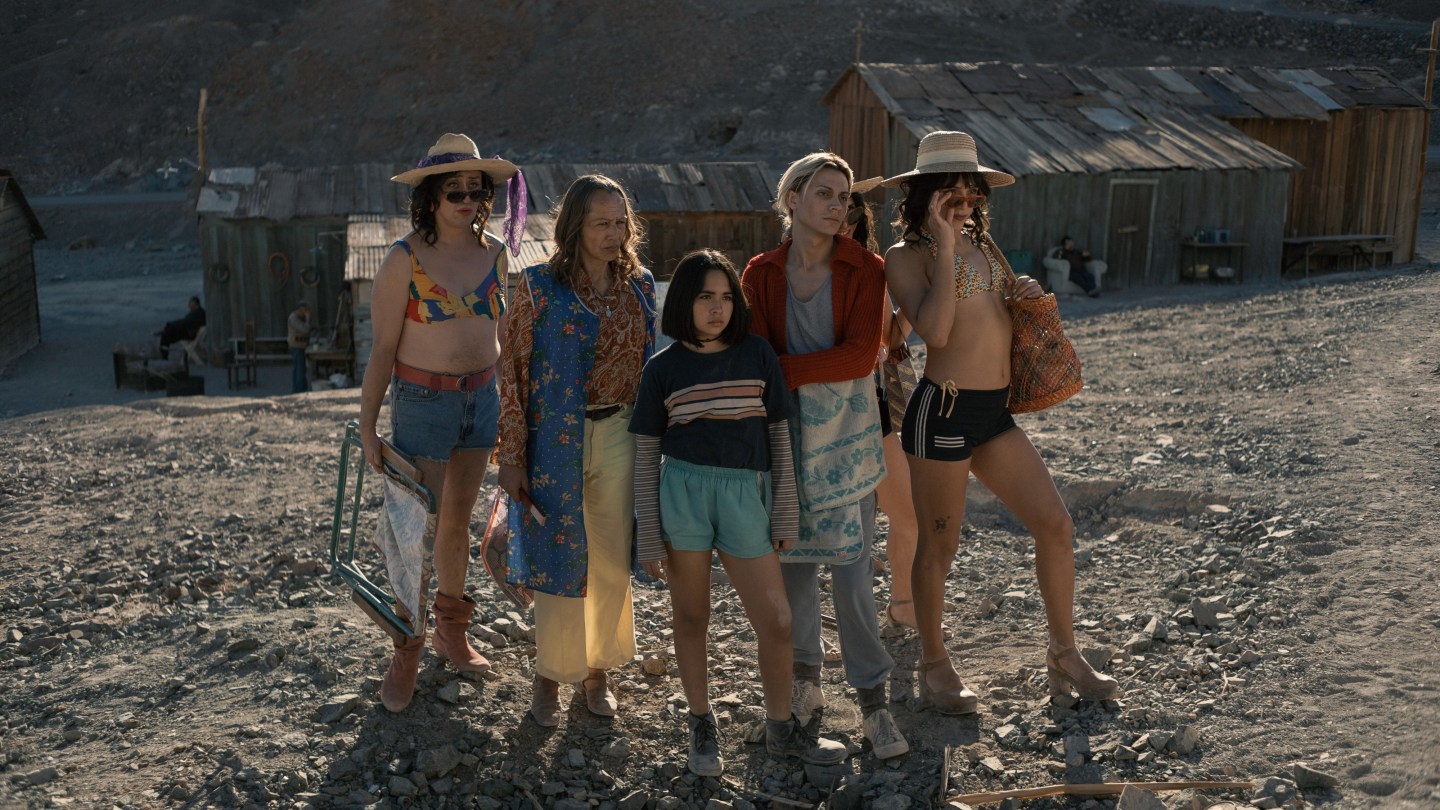
In the hushed corridors of Cannes, a film emerged that dared to whisper where others shouted. The Mysterious Gaze of the Flamingo is not merely a title; it’s a provocation. Diego Céspedes, in his directorial debut, has crafted a tapestry where every frame seems to question the viewer’s perception of reality and identity.
The film’s title alone evokes a sense of intrigue. What is this gaze? Is it one of innocence, or does it conceal a deeper, perhaps unsettling, truth? The flamingo, often associated with grace and beauty, here becomes a symbol of something more complex. Its gaze pierces through the veneer of societal norms, challenging the audience to confront uncomfortable truths.
Céspedes’ narrative unfolds like a delicate dance, each movement deliberate, each pause pregnant with meaning. The characters, much like the flamingo, are poised between worlds, navigating the murky waters of their own psyches. Their journey is not just physical but existential, delving into themes of transformation and self-discovery.
The film’s reception at Cannes was telling. While some critics were captivated by its audacity and depth, others found themselves unsettled, perhaps even disturbed. This dichotomy is precisely what Céspedes intended. In a world that often seeks comfort in conformity, The Mysterious Gaze of the Flamingo offers a mirror, reflecting our own discomforts and desires.
As the flamingo stands on one leg, balancing precariously yet gracefully, so too does the film balance on the edge of convention and rebellion. It asks the audience: Are you ready to look beyond the surface? To confront the gaze that dares to see you for who you truly are?
In the end, the flamingo’s gaze is not just a look; it’s an invitation. An invitation to question, to reflect, and perhaps, to transform. Will you accept it?






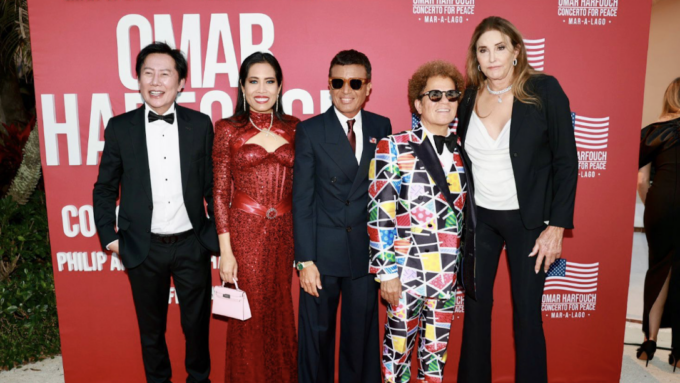
Pianist Omar Harfouch Brings Celebrated Figures Together for a Night of Cultural Exchange – Hollywood Life
Image Credit: Omar Harfouch On February 20, 2026, pianist and cultural figure...
 Kirsten Collins2 Mins read
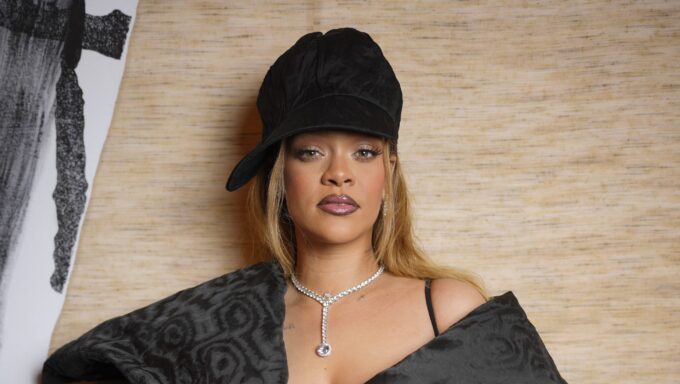
Who Is Ivana Lisette Ortiz? About the Rihanna Home Shooting Suspect – Hollywood Life
Image Credit: WWD via Getty Images The suspect in the March 8,...
Kirsten Collins1 Mins read
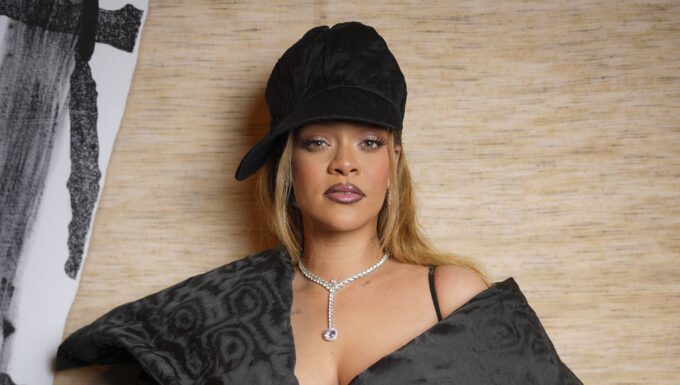
How Much Money Does She Have Now? – Hollywood Life
Image Credit: WWD via Getty Images Rihanna may be known as one...
Kirsten Collins2 Mins read
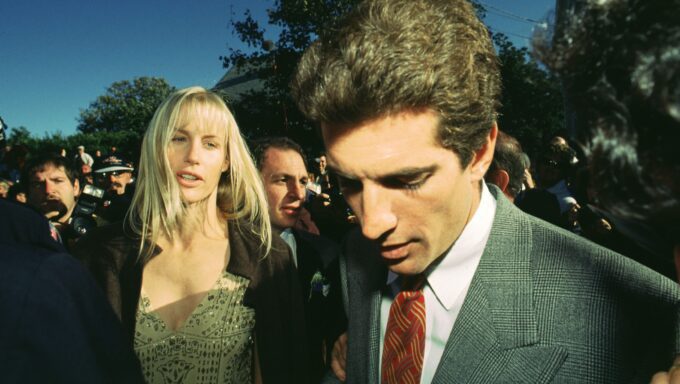
Stars Who Slammed ‘Love Story: JFK Jr. & Carolyn Bessette’: Statements – Hollywood Life
Image Credit: Getty Images FX’s Love Story: John F. Kennedy Jr. and...
Kirsten Collins2 Mins read





Leave a comment