

The NBCC Winners Are In—But Do These Voices Reflect the Pulse or Just the Page?
The National Book Critics Circle just announced its latest winners, from Hanif Abdurraqib’s genre-defiant brilliance to Anne Carson’s haunting poetics. But are these accolades echoing culture—or curating it?
 Krista FreelandMarch 21, 20251 Mins read79

The National Book Critics Circle Awards have always walked a curious line—prestige without pretense, rigor without popularity. They don’t chase headlines. They construct a canon, one title at a time. But in a year where literature feels like a whisper competing with algorithms, who—and what—gets chosen speaks volumes. This year, the NBCC made some bold moves. Or did it?
At the center is Hanif Abdurraqib, whose work continues to obliterate the boundaries between criticism, memory, and memoir. With There’s Always This Year, he’s not just writing about basketball—he’s mapping grief, Black joy, and the architecture of longing. “This is not about the game,” Abdurraqib has said. “It’s about the court as a metaphor for survival.” He doesn’t offer closure. He offers witness. And that may be why he’s so necessary.
Poetry, Memory, and the Space Between
Then there’s Anne Carson—goddess of the liminal, priestess of poetic discomfort. Her winning collection Wrong Norma is as strange and precise as its title suggests. It resists clarity like a cat resists affection: elegantly, on its own terms. Carson doesn’t write to be understood. She writes to remind you how brittle understanding really is.
Fiction? Still the category that provokes the most murmurs. This year’s winner (not named in the Kirkus headline but likely already stirring online lit corners) adds to the slow drift NBCC has taken toward voice-driven, structurally unconventional narratives. A shift that feels more evolution than trend—an acceptance that plot is no longer king. Now, tone rules.
The Beauty of the Unresolved
The NBCC doesn’t need to chase viral moments. It doesn’t anoint bestsellers. What it does do is define what “serious” means for the literary world, one accolade at a time. But with that power comes the risk of insularity—of building a cathedral so intricate only a few can hear the sermons.
This year, though, feels different. Not because the winners are more “relatable,” but because they seem to haunt the border between personal and political, poetic and painful, precise and fractured. These aren’t books to be consumed. They are to be metabolized.
And maybe that’s the challenge for every literary award now: to be less about perfection and more about pressure. Less about polish, more about pulse.




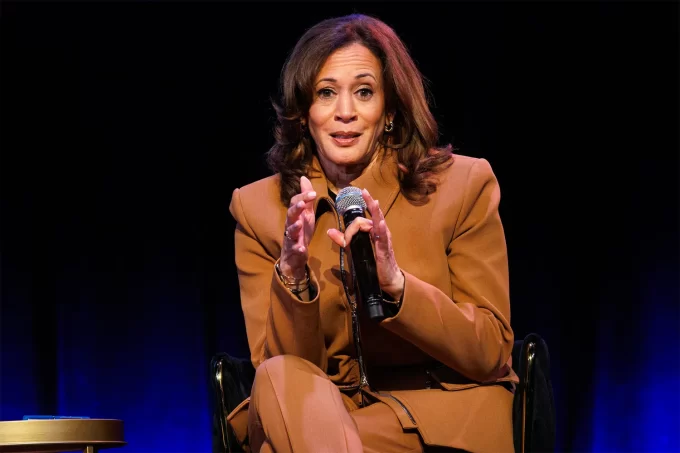
When “107 Days” Meets Outcry: Harris’s Book Tour Interrupted
The microphone crackled to life, and before Harris could finish her opening...
 Chris Marks1 Mins read
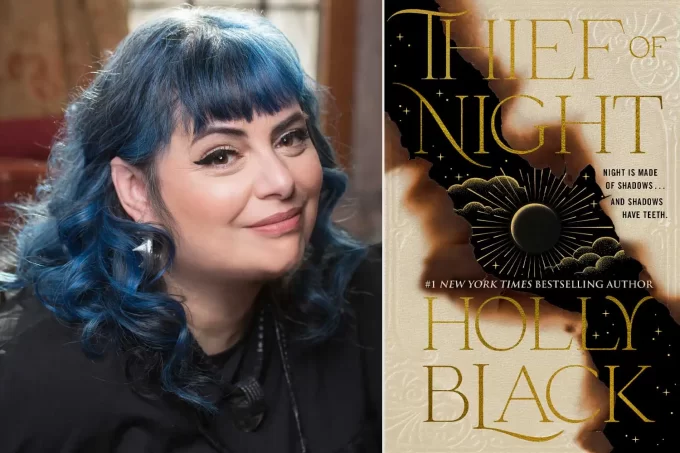
Whispers in the Shadows: Why Holly Black’s Sequel Is a Dark Invitation We Can’t Ignore
The night isn’t just dark—it’s ravenous, greedy, and it’s coming for you....
Chris Marks2 Mins read
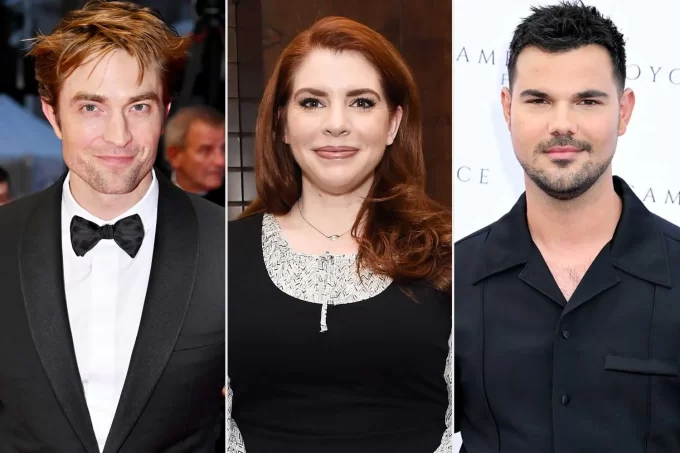
Why Stephenie Meyer’s Regret About Edward Changes Everything You Thought You Knew
The moment Stephenie Meyer admitted she wouldn’t pick Edward Cullen today, a...
Chris Marks2 Mins read

When Fear, Fury & Feathers Collide: Cinema, Superheroes, and a Confessional Album
Open with tension—the kind that threads through a scream, a reveal, and...
Chris Marks2 Mins read




Leave a comment