

The Paper: When The Office Goes to Press—Will It Hit Headlines or Just Clippings?
The much-anticipated mockumentary spinoff The Paper revives The Office vibe—but in a nearly forgotten Midwestern newsroom. Can a struggling newspaper, quirky staff, and old documentary crew revive both journalism and franchise magic?
 Krista FreelandSeptember 5, 20252 Mins read24

Vertical Entertainment / courtesy Everett Collection; NBC; Courtesy of Big Brother Recordings
You step into what looks like an ordinary office—cubbies, buzzing printers, faded headlines—but the camera lingers. This is The Paper, and the truth it seeks is buried under reindeer graphics and fading ink. The documentary crew that once followed the chaos of Dunder Mifflin has turned its lens to Toledo, Ohio’s The Truth Teller, a dying paper and the characters trying to revive it. The question it tempts us to ask: what counts as a workplace comedy after the world moved online?
This newsroom isn’t just a set—it’s a living satire of modern journalism, shot through with nostalgia and skepticism. It draws familiar angles yet asks: can a genre rooted in paper survive when the news has become infinite and invisible?
Press Pass to Legacy
Here’s the weight of it: Greg Daniels and Michael Koman return behind the curtain—not with Staples or Michael Scott, but with a stethoscope to the chest of local media. Oscar Nuñez reprises Oscar Martinez, now relocated to a city three times Scranton’s size to balance absurdity with ambition. Beside him: Domhnall Gleeson as idealist Ned Sampson, Sabrina Impacciatore as Esmeralda, the managing editor, and an ensemble cast that includes Chelsea Frei, Melvin Gregg, and Ramona Young, among others. The creators have promised that the only reboot here will be of spirit, not character.
Could it be that what makes The Office memorable is less the office setting and more the quiet desperation of people finding meaning in the mundane?
Front Page for the Falling Press
The Paper doesn’t just look back—it leans forward into a fear: extinction of local journalism. The villain isn’t a rival company—it’s the internet, siphoning ad revenue, erasing subscriptions, dissolving trust. Behind every quip, there’s urgency. Each character—and every floundering reporter—carries the tension of a profession fighting irrelevance. Yet what resonates most is that Kramer quote: “What is drama but life with the dull bits cut out?” This time, they’re editing out the predictable.
Will laughter be enough to resurrect print—or to remind us why we mourned its loss in the first place?
The lights lift, not on gilded reception areas but on a fading masthead. We leave not with closure but a question stamped in our gaze: if legacy can be rebooted on cheap paper, what other stories are we due for rediscovery?




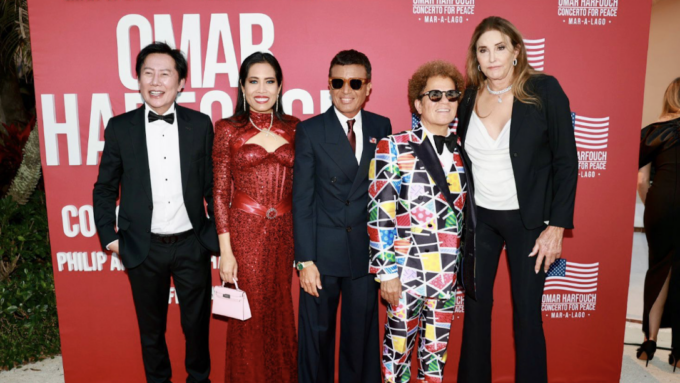
Pianist Omar Harfouch Brings Celebrated Figures Together for a Night of Cultural Exchange – Hollywood Life
Image Credit: Omar Harfouch On February 20, 2026, pianist and cultural figure...
 Kirsten Collins2 Mins read

Who Is Ivana Lisette Ortiz? About the Rihanna Home Shooting Suspect – Hollywood Life
Image Credit: WWD via Getty Images The suspect in the March 8,...
Kirsten Collins1 Mins read
How Much Money Does She Have Now? – Hollywood Life
Image Credit: WWD via Getty Images Rihanna may be known as one...
Kirsten Collins2 Mins read
Stars Who Slammed ‘Love Story: JFK Jr. & Carolyn Bessette’: Statements – Hollywood Life
Image Credit: Getty Images FX’s Love Story: John F. Kennedy Jr. and...
Kirsten Collins2 Mins read





Leave a comment