

The Sloppy Tale of a Powerful King: Satire or Spell?
Wrapped in absurdity and dipped in royal mischief, The Sloppy Tale of a Powerful King dares you to laugh—then think—then wince. But who, exactly, is the joke on?
 Kirsten CollinsApril 2, 20251 Mins read40

His crown tilts like an afterthought. His robes trail through wine-stained floors. The Sloppy Tale of a Powerful King opens with a monarch not at his mightiest—but at his most unmade. It’s a comedy, yes. But only in the way a fall down the stairs is funny—right before you realize someone never gets up.
This is not a kingdom of dragons or divine right. It is a crumbling court of half-truths, half-wits, and wholly questionable decisions. The King—drunk on authority and actual spirits—wanders his realm with the conviction of a man who believes the world is still applauding. Around him, a gallery of sycophants and ghosts. The power is real, but the respect? Fabricated. Forgotten. Or perhaps never earned at all.
Laughter, the Sharpest Weapon
What makes the film linger long after the jokes land is its discomforting resonance. The King’s incompetence isn’t alien—it’s familiar. It echoes boardrooms, press conferences, and institutions propped up by spectacle. Every chuckle comes laced with a warning: this might not be fiction. Or at least, not all of it.
“Let them eat irony,” one advisor quips, tossing crumbs of wisdom in a banquet of foolishness. But it isn’t just irony being served—it’s accountability in disguise. The film sneaks in its punches under the cloak of comedy, delivering satire so slick it’s easy to miss the bruise until later.
When the Crown Falls, Who Catches It?
The plot meanders, intentionally—like its King—through surreal encounters, sharp turns, and theatrical monologues that feel more like confessions than dialogue. And yet, buried beneath the mess is a sobering truth: the mess is the message. Power, unchecked, doesn’t descend into chaos. It starts there.
By the final act, the audience is left not with a lesson but a mirror. And perhaps that’s the cruelest trick of all. You came to laugh at a foolish King, but found yourself questioning who you’ve bowed to lately.






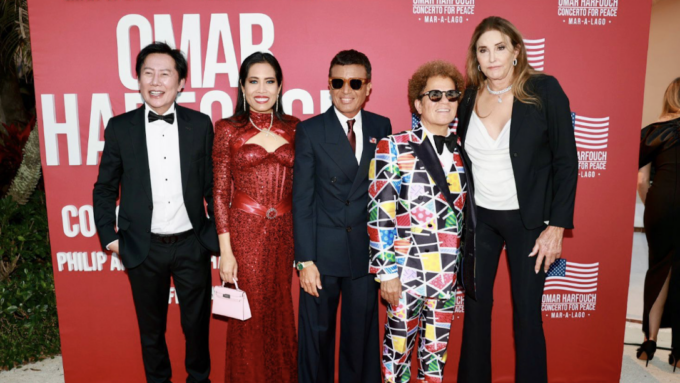
Pianist Omar Harfouch Brings Celebrated Figures Together for a Night of Cultural Exchange – Hollywood Life
Image Credit: Omar Harfouch On February 20, 2026, pianist and cultural figure...
Kirsten Collins2 Mins read
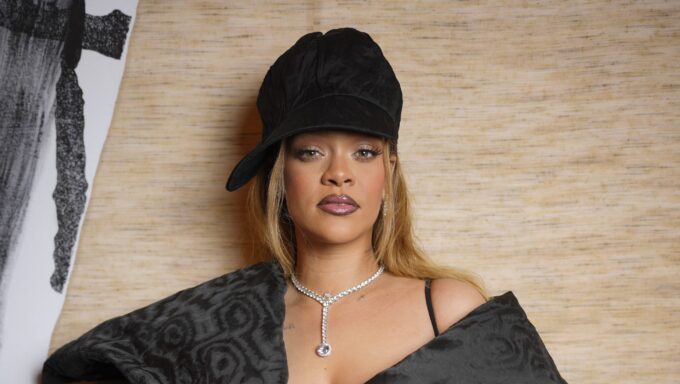
Who Is Ivana Lisette Ortiz? About the Rihanna Home Shooting Suspect – Hollywood Life
Image Credit: WWD via Getty Images The suspect in the March 8,...
Kirsten Collins1 Mins read

What Channel Are the Academy Awards On? – Hollywood Life
Image Credit: AFP via Getty Images The 2026 Academy Awards will bring...
Kirsten Collins1 Mins read
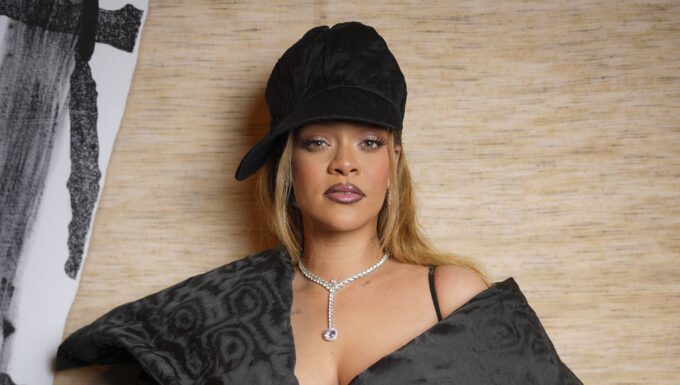
How Much Money Does She Have Now? – Hollywood Life
Image Credit: WWD via Getty Images Rihanna may be known as one...
Kirsten Collins2 Mins read





Leave a comment