

The Day Tony Soprano Almost Wore a Smile
James Gandolfini nearly lost the role that defined a generation—because he wasn’t "scary enough." But who decides what danger looks like?
 Chris MarksApril 27, 20252 Mins read23
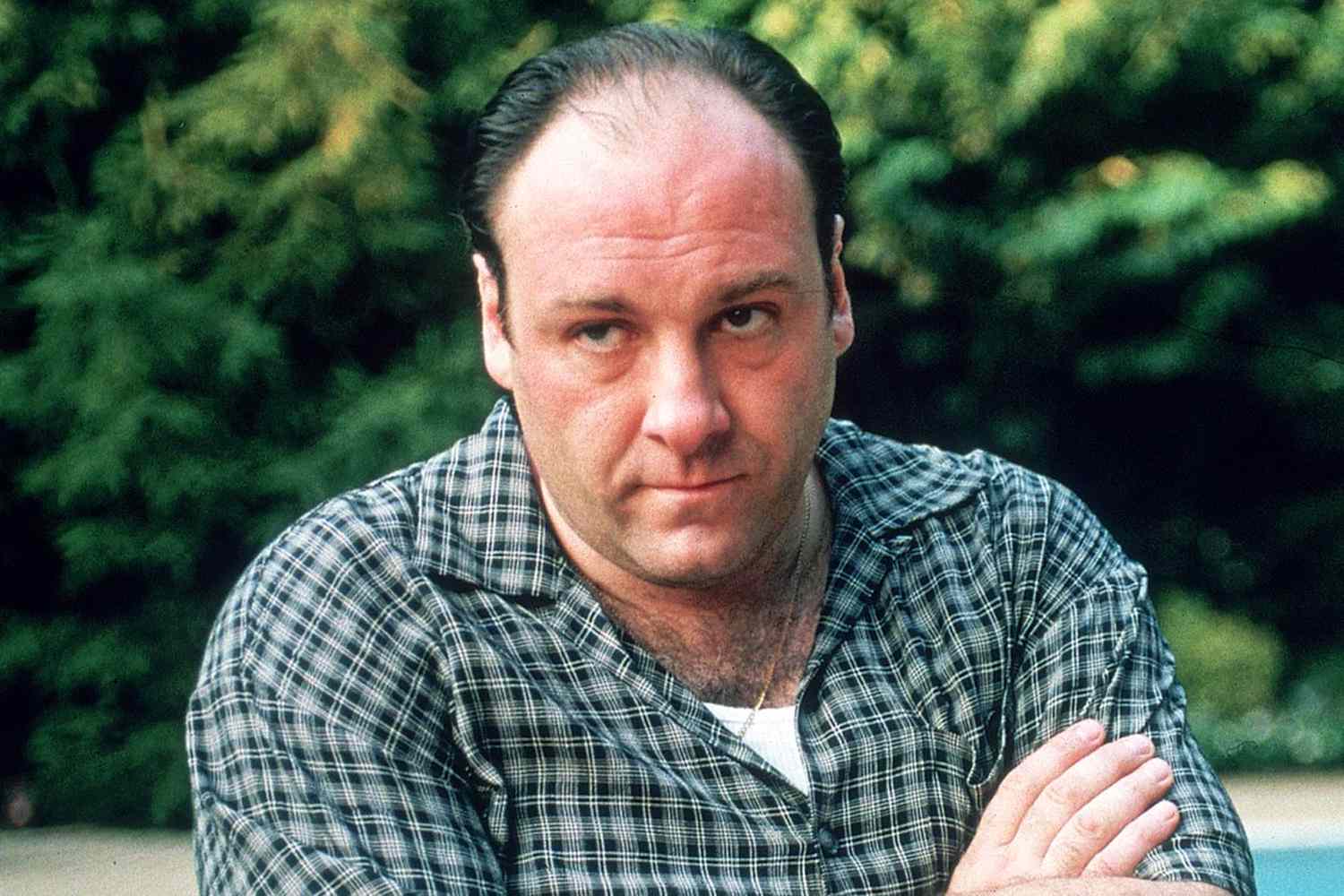
Anthony Neste/Getty
He walked into the room with a slouch, not a swagger. No blood-red tie. No cigar. No glint of madness in his eye. Just a man—a big man, yes—but almost humble in his presence. And that was the problem.
James Gandolfini, for all the fury he would later summon as Tony Soprano, was nearly passed over for the part. “I just didn’t think he was threatening enough,” creator David Chase recently confessed, as if trying to rewrite the folklore of his own masterpiece. But the subtext is haunting: what does “threatening” even mean, and who gets to define the face of fear in American television?
Hollywood loves its archetypes, its quick reads. The moment Chase hesitated, the narrative slipped into a dangerous territory—where menace is mistaken for madness, and subtlety for softness. Gandolfini didn’t need to snarl or flash a gun. His threat was interior, psychological, buried beneath layers of fatherhood, therapy, meatball subs, and volcanic guilt. That contradiction is precisely what made him terrifying.
A Smile That Could Kill You
There’s a scene in The Sopranos where Tony, calm and almost childlike, feeds ducks in his backyard. Moments later, he’s collapsing in panic. No screaming. No blood. Just a cracking man, barely keeping it together. That’s the threat Chase thought he might not get with Gandolfini—and yet, it’s exactly what Gandolfini delivered in spades. You didn’t see the danger coming. You felt it.
What if the role had gone to someone else? A sharper jawline, a colder stare, a textbook tough guy? Would The Sopranos have merely echoed The Godfather, trapped in the masculine caricatures it later dissected with such surgical brilliance? Tony wasn’t supposed to be your standard gangster. He was a man whose power was inseparable from his emotional ruin. The genius of Gandolfini was that he didn’t act like a monster. He acted like a man on the brink—and that was infinitely scarier.
The Evolution of Danger
Maybe it’s time we admit that what we call “threatening” in film and television is often just shorthand for toxic confidence. Gandolfini, with his mournful eyes and unpredictable quiet, challenged the mythology of masculine dominance in the mafia genre. He made space for psychological warfare, for soft violence. And in doing so, he reshaped what television could even be.
Here’s the irony: by almost losing the role, Gandolfini proved exactly why he deserved it. David Chase’s doubt now reads like a cultural artifact of its own—a relic from a time when power had to look a certain way, when fear was a soundbite instead of a slow unraveling.
We accepted Tony Soprano into our living rooms not because he stormed through the door—but because he asked, gently, if he could sit down.
And maybe we should be asking ourselves now: who else have we misjudged for not being “threatening enough”?
- anti-hero television
- creator
- crime drama evolution
- David Chase
- Gandolfini
- gangster TV shows
- HBO classics
- iconic TV roles
- James
- James Gandolfini
- James Gandolfini legacy
- James Gandolfini threatening
- mafia shows
- psychological drama
- Sopranos
- Sopranos casting
- The Sopranos
- threatening
- Tony Soprano
- TV character development
- wasnt
- Worried







When “107 Days” Meets Outcry: Harris’s Book Tour Interrupted
The microphone crackled to life, and before Harris could finish her opening...
Chris Marks1 Mins read
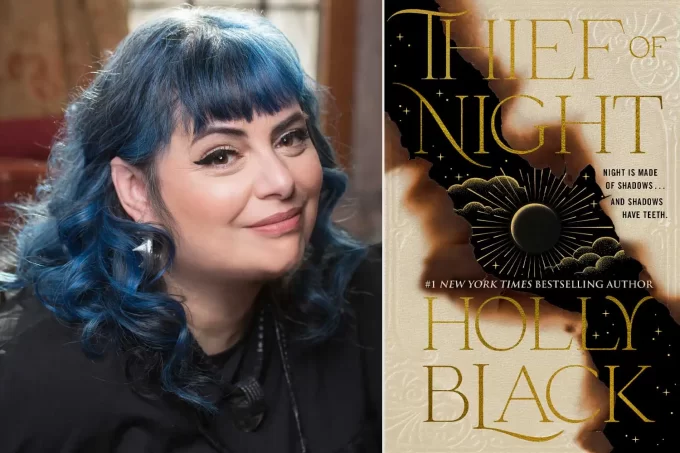
Whispers in the Shadows: Why Holly Black’s Sequel Is a Dark Invitation We Can’t Ignore
The night isn’t just dark—it’s ravenous, greedy, and it’s coming for you....
Chris Marks2 Mins read

Why Stephenie Meyer’s Regret About Edward Changes Everything You Thought You Knew
The moment Stephenie Meyer admitted she wouldn’t pick Edward Cullen today, a...
Chris Marks2 Mins read
When Fear, Fury & Feathers Collide: Cinema, Superheroes, and a Confessional Album
Open with tension—the kind that threads through a scream, a reveal, and...
Chris Marks2 Mins read




Leave a comment