

Ozzy Osbourne’s Funeral Plans Are Stranger Than Fiction—And That’s the Point
Ozzy Osbourne isn’t just planning a funeral—he’s composing a finale. A bridge, a bench, Black Sabbath, and one very public goodbye. But is it mourning, spectacle, or both?
 Krista FreelandJuly 30, 20252 Mins read26
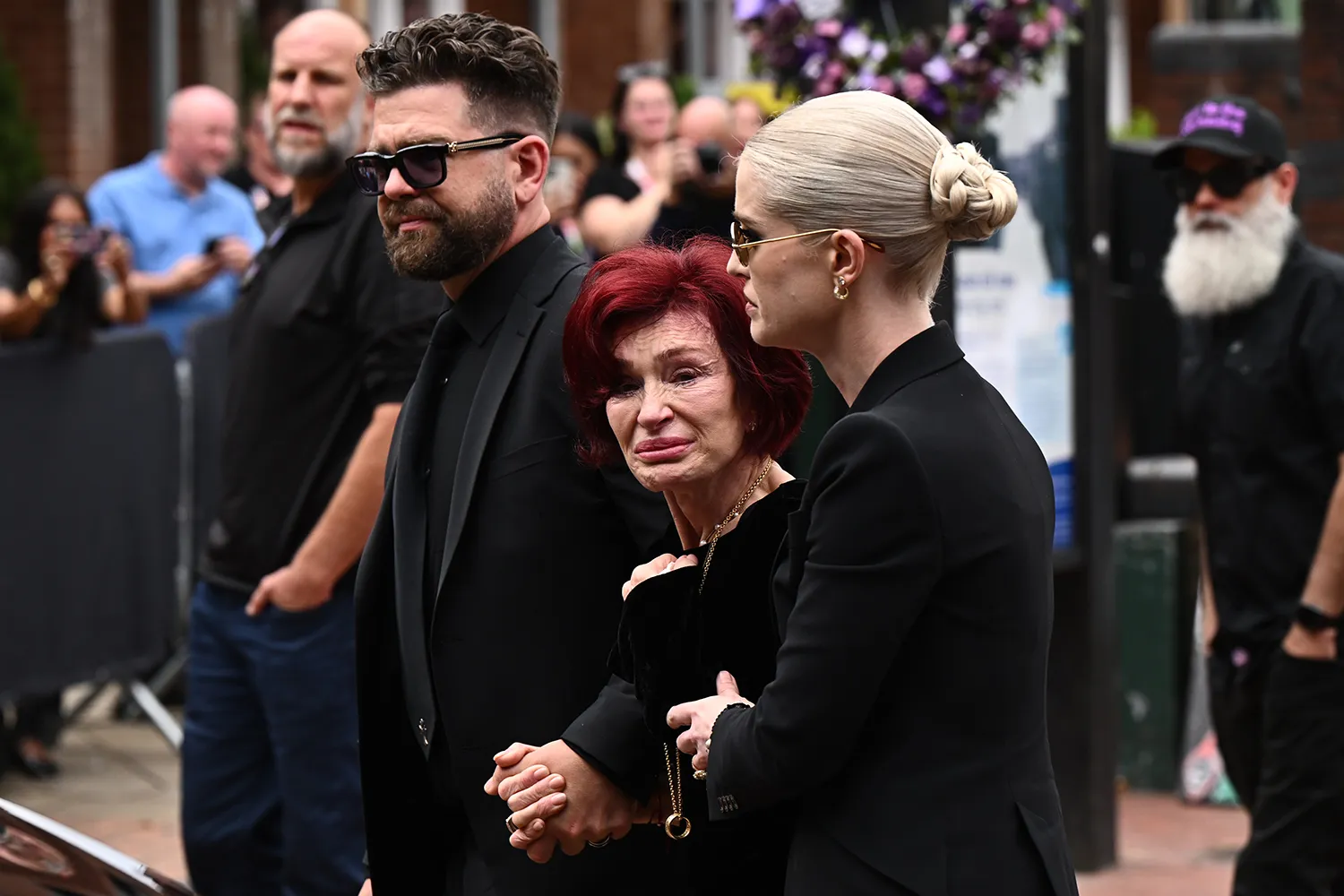
There’s a bench, apparently—just sitting there in his mind. Ozzy Osbourne, the Prince of Darkness, wants to die into a view. Not a mausoleum, not a marble crypt, but a place where people can sit and look out over a bridge and remember that even chaos has its quiet. “I just want a bench. Facing a bridge. With a plaque. That’s it,” he said. And yet, of course, that isn’t it. Because nothing is ever just with Ozzy.
The man bit the head off a bat and sold out stadiums doing it. He was the heavy metal messiah who mumbled on reality TV. A contradiction in eyeliner. So naturally, his funeral—still a living draft—isn’t about ashes or peace. It’s about rhythm. He wants Black Sabbath playing. He wants his loved ones to watch from somewhere poetic. It sounds like a scene from a Tim Burton script: the bridge, the bench, the mourners nodding to “Paranoid.” But dig deeper and it becomes something stranger: a cultural relic being built while the man still breathes.
The Death of Death as We Knew It
We’ve entered an era where even funerals are curated, scored, and staged. The public death is no longer a tragedy—it’s a performance. And Ozzy, ever the showman, understands that too well. This is a man who transformed his own implosions into Emmy nominations. A man who looked the abyss in the eye and asked it to sign a record deal.
So his funeral plans aren’t morbid. They’re branding.
It’s Sharon Osbourne who says, “Ozzy wants something that’s both simple and meaningful.” But when Ozzy says simple, he means metaphor. A bench isn’t a bench. It’s a throne. A final seat from which his ghost might eavesdrop. And the bridge? Perhaps the last metaphor that hasn’t yet been turned into a merch line.
The question, really, is whether we’re watching a man plan his end—or watching him seize control of the narrative one last time.
Even Legends Want an Audience
There’s a subtle violence in how we remember the famous: we turn them into wax figures of their own making. Ozzy Osbourne is fighting that fate. His funeral plans are a refusal to be sanitized. He wants you to feel his absence his way—with distortion and eyeliner and uncomfortable poetry. With a bench you’ll find one day, without a guide, and wonder: Was that really his?
There’s irony in that too, of course. Because in orchestrating his legacy, he’s becoming even more mythic. More untouchable. More… gone.
But that’s the real twist of the knife. Ozzy doesn’t want to live forever. He just wants his story to die correctly.
And maybe that’s the last song no one in Black Sabbath ever played. The one that lingers after the amps cool and the crowd’s gone home. The one you hear only in silence, sitting on a bench, facing a bridge, wondering if the man who made noise for a living is finally resting… or just waiting for the next verse.





When Mercy Meets Tragedy: The Widow Who Forgave Her Husband’s Killer
The air thickens when forgiveness enters a room meant for grief. Imagine...
 Chris Marks1 Mins read

When Fear Became a Lifeline: Pete Davidson’s Reckoning in Rehab
There’s a silence that follows a mother’s voice when she confesses her...
 Joseph Bennett1 Mins read

Pete Davidson’s mom told him in rehab worst fear was learning he died
Pete Davidson is opening up about the heartbreaking moment he had with...
Chris Marks2 Mins read

Katie Couric’s Unexpected Spin on Sydney Sweeney’s American Eagle Ad: What’s Really Being Said?
Katie Couric stepping into a scene dominated by Gen Z glamour feels...
Krista Freeland2 Mins read





Leave a comment