

The Wellness Mirage: What “Benefits” Are We Really Buying Into?
With every supplement label promising radiance and resilience, the line between health and hype gets harder to trace. What are the real risks—and who gets to define what’s “beneficial”?
 Krista FreelandApril 3, 20251 Mins read54
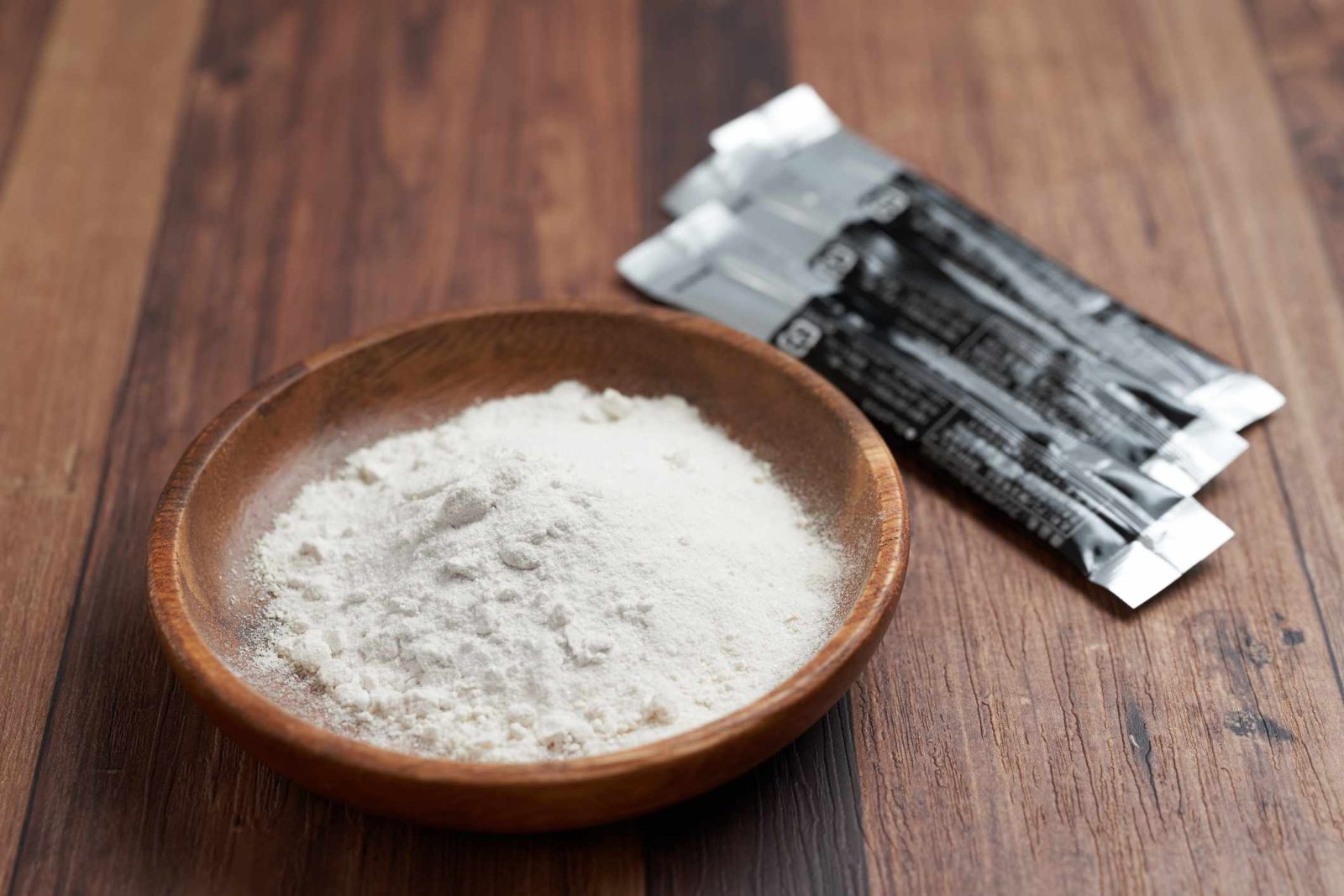
kazuma seki / Getty Images
It comes wrapped in earthy fonts, pastel hues, and the ever-eloquent promise of “balance.” You unscrew the lid—maybe it’s a capsule, maybe a powder, maybe a gummy infused with the spirit of a forest—and take a deep breath. You are not just buying health. You are buying belief.
From collagen to ashwagandha, magnesium sprays to mushroom coffees, the wellness industry has taken “benefits” and transformed them into branding. But few stop to ask: what does “beneficial” really mean when the science is scattered, the standards loose, and the risks quietly shelved behind euphemism?
The Velvet Curtain of the Supplement World
There’s a strange comfort in the word “natural.” It evokes purity, harmlessness, a return to something untouched. But nature has always been both medicine and poison, and in the realm of supplements, the dosage makes the doctrine. Many touted benefits—boosted immunity, clearer skin, calmer moods—are couched in anecdote, not clinical rigor.
The FDA does not approve dietary supplements for safety or efficacy before they hit the market. That truth is often softened, marketed away by phrases like “third-party tested” or “doctor recommended.” But who’s the doctor? And who paid for the test?
“People assume if it’s on the shelf, it’s safe,” said one integrative health expert. “But safety doesn’t sell. Aspirations do.”
A Culture Obsessed with Optimization
Behind every “beneficial” product is an implicit message: you are not enough as you are. You need more glow, more calm, more gut balance, more something. This isn’t about health—it’s about enhancement. About living in a state of perpetual self-fine-tuning.
And while there are real benefits to be found—omega-3s lowering inflammation, vitamin D correcting deficiencies—the context is critical. Are we replacing a need, or building an identity around consumption? Are we healing, or branding our anxiety as self-care?
The danger isn’t the supplement—it’s the silence. The refusal to confront the grey zone where benefit becomes placebo, and risk is wrapped in wellness-speak too soft to critique.
So next time you reach for that jar promising radiant mornings and cellular rejuvenation, ask yourself—what are you really consuming?
The powder? The pill?
Or the promise?






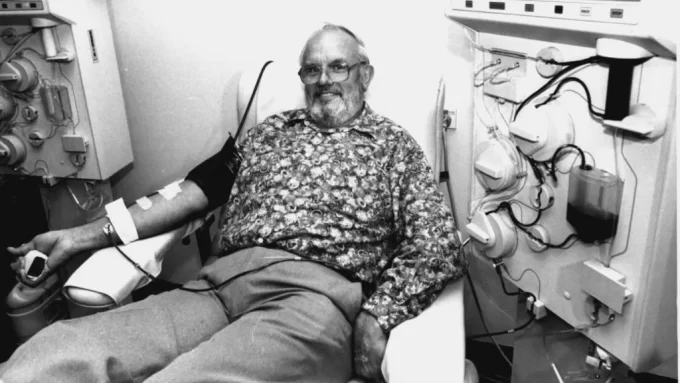
The Man Who Bled for Millions
He saved over 2.5 million babies, but no one ever recognized him...
 Kirsten Collins2 Mins read

The Silence Before the Sneeze
A dead bird, limp on the edge of a sidewalk in Guangdong,...
Kirsten Collins2 Mins read

The Fetishization of Fear: RFK Jr. and the Vaccine Fetuses Lie
It begins, as these things always do, with a whisper dressed as...
Kirsten Collins2 Mins read

The Lie That Keeps Mutating
The seduction of scandal is ancient, but its latest host is disturbingly...
Kirsten Collins2 Mins read





Leave a comment